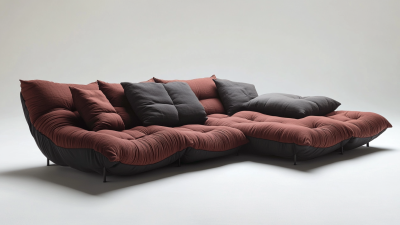
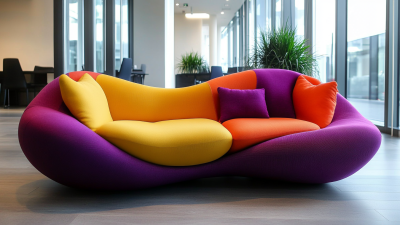
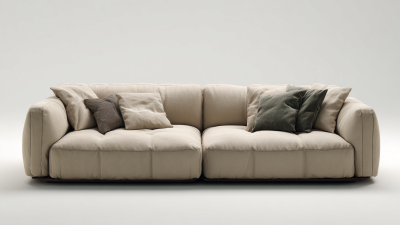
Best Compressible Sofa Options for Comfort and Space Saving?
In today's fast-paced world, space-saving furniture options are essential. The "Compressible Sofa" has emerged as a popular choice for small apartments and multifunctional living areas. Expert Jonathan Mills states, "A well-designed compressible sofa can transform any space while providing comfort." His words highlight the innovation in this field.
Compressible sofas come in various styles and materials. They offer versatility without sacrificing comfort. Imagine a cozy sofa that can be easily collapsed or expanded. This makes hosting friends or family easier. However, not all models are created equal. Some may compromise on comfort for compactness. Buyers should consider their needs carefully.
Selecting the right compressible sofa requires balancing space and comfort. It's important to explore options that suit your lifestyle. You might find a perfect fit, but remember: comfort matters most. Reflect on how the sofa will meet your long-term needs. A thoughtful purchase can lead to satisfaction in your living space.
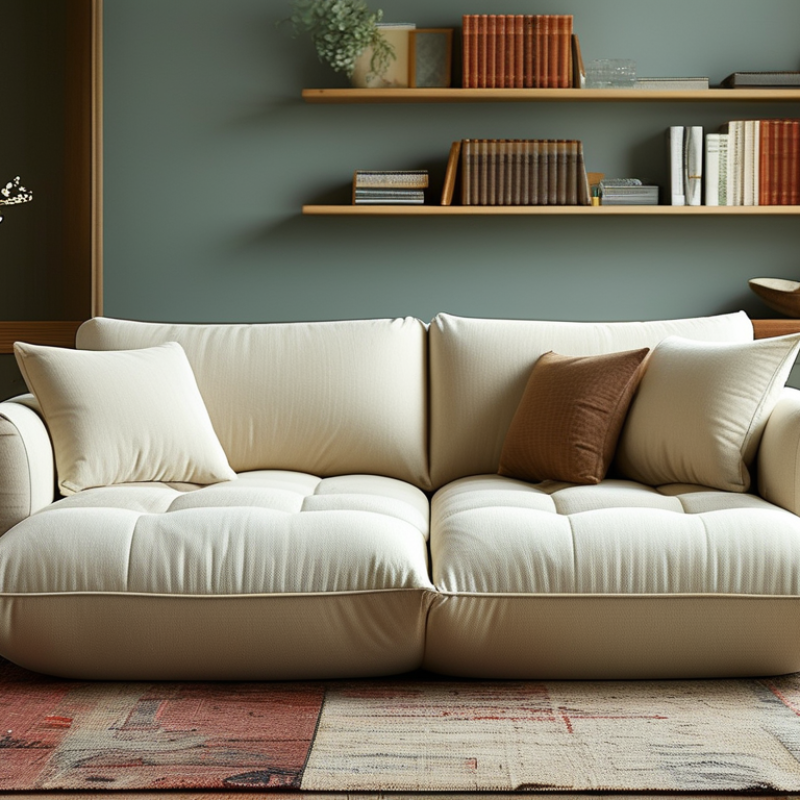
Best Compressible Sofa Materials for Optimal Comfort and Durability
When choosing compressible sofas, materials matter greatly for both comfort and durability. One popular choice is memory foam. This material adapts to body shape and provides excellent support. It can feel plush but might retain heat, causing discomfort during warm weather. It is essential to check if it has cooling features.
Another option is high-density foam. It offers a firmer feel, which some people prefer. This material usually lasts longer but may not contour as well as memory foam. Fabric choices, like polyester or microsuede, are also critical. They can withstand daily wear and tear and are easy to clean. But they might show stains more easily than leather or vinyl.
Leather sofas are elegant and easy to wipe down. Real leather ages beautifully but can crack over time. Faux leather has a similar look and is often more affordable but may not breathe as well. The choice of material directly affects the longevity and comfort of your sofa. Testing different options is crucial to find what suits your lifestyle best.
Top Space-Saving Sofa Designs: Innovative Solutions for Small Living Areas
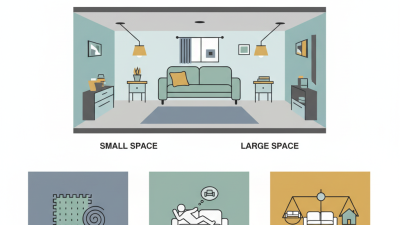
When dealing with small living spaces, choosing the right sofa can be a game changer. Space-saving sofa designs offer innovative solutions that maximize comfort without occupying too much room. Look for options that can be easily reconfigured. Sofas with removable cushions or modular designs provide flexibility. They adapt to your needs and lifestyle.
Consider foldable or extendable sofas that you can adjust based on your activities. For example, a compact sofa can transform into a bed for guests. This versatility saves space and is practical. Having a sleek design can enhance the aesthetic of a small room. Choose lighter colors to create an open feel. Dark or bulky designs may overwhelm tiny areas.
Tips: Always measure your space before shopping. Ensure there's enough room to walk around your sofa. Also, think about the storage options under the sofa. Hidden compartments can help declutter your area. Finally, test the comfort level. An uncomfortable sofa, no matter how stylish, won't serve you well. Consider these elements when selecting your ideal sofa for a cozy and spacious environment.
Comparative Analysis of Compressible Sofa Brands: Performance and Value
When choosing a compressible sofa, performance and value are key factors. A recent industry report highlights that 72% of consumers prioritize comfort when selecting this type of furniture. Additionally, space-saving features are increasingly vital, especially in urban settings. Many brands offer innovative designs that maximize functionality while minimizing footprint.
The analysis of various compressible sofa brands indicates differences in durability and price points. Reports suggest that higher-priced models tend to last longer, with an average lifespan of up to 10 years. However, budget options often compromise on materials, impacting comfort and support. Contrarily, some mid-range models offer a surprising balance of quality and affordability. This reflects a growing trend where thoughtful design meets consumer needs.
Despite these advances, consumers still face challenges. Some compressible sofas may not retain shape after repeated use. This could lead to discomfort over time. Thus, it's essential for buyers to test sofas in-store or review customer feedback online. Understanding the long-term value versus initial cost requires careful consideration.
Ergonomics in Compressible Sofas: Enhancing Comfort for Extended Use
When considering ergonomics in compressible sofas, comfort is paramount. A well-designed sofa provides greater support for the back and neck. It should allow users to sink into the seat while maintaining proper posture. Many models now feature memory foam to enhance this experience. However, not all memory foam is created equal. Some sofas lack adequate durability, leading to discomfort over time.
Look for designs that promote good alignment. Sofas with adjustable recline options can cater to various preferences. It’s essential to test the seating. A soft, inviting surface might feel great initially but can lead to fatigue after prolonged use. Think about individuals who suffer from back pain. A lack of lumbar support can worsen their condition.
Room layout can affect the effectiveness of a sofa. The placement should allow for easy movement while maintaining a cozy atmosphere. Be mindful of fabric choices. Some materials breathe better, enhancing the overall comfort. This choice can also impact maintenance. Remember, not every compressible sofa fits every space. Research different styles that meet both aesthetic and ergonomic needs.
Environmental Impact of Compressible Sofas: Sustainable Choices in 2023
In 2023, the environmental impact of furniture choices is an important topic. Compressible sofas are gaining popularity, offering flexibility and convenience. However, consumers should consider their sustainability. Many traditional sofas are made from non-recyclable materials, contributing to landfill waste. In contrast, some compressible designs use eco-friendly fabrics and sustainable manufacturing processes. This reduces their carbon footprint significantly.
When choosing a compressible sofa, look for certifications that guarantee sustainability. Brands committed to responsible sourcing often highlight their eco-conscious materials. Bamboo, recycled polyester, and organic cotton are excellent options. While these materials may cost more upfront, they offer a long-term investment in both comfort and environmental duty.
It's also essential to reflect on the sofa's life cycle. How will it be disposed of in the future? Will it contribute to excessive waste? Many customers overlook these considerations. A sofa that isn't durable may end up in a landfill sooner than expected. Thoughtful choices can lead to greater satisfaction and less environmental impact, promoting sustainability in everyday life.
Best Compressible Sofa Options for Comfort and Space Saving in 2023
This chart presents the top five compressible sofa options for comfort and space-saving in 2023, measured by customer satisfaction, eco-friendliness, and versatility. The data illustrates the balance between comfort level and environmental impact, showcasing sustainable choices that fit modern living spaces.