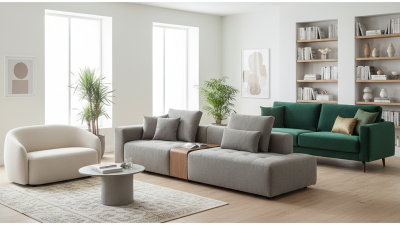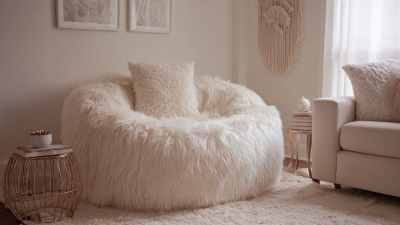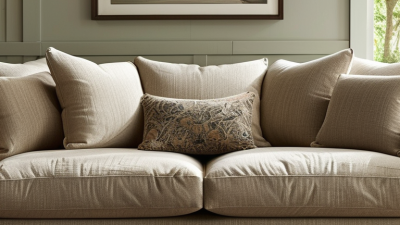
China’s Fluffy Couch industry has moved beyond oversized silhouettes and soft-looking upholstery. Leading manufacturers now combine deep seating, resilient foam, durable fabrics, and disciplined quality control. For global buyers, appearance is only one part of the decision.
William Morris, the influential British furniture designer, once said, “Have nothing in your house that you do not know to be useful, or believe to be beautiful.” This principle still matters. A reliable Fluffy Couch should feel inviting, support the body, and survive repeated daily use. The best Chinese factories understand this balance through years of export experience. They test frame strength, foam recovery, stitching, fabric abrasion, and packaging performance. Small details matter. Loose seams can become expensive claims.
This guide examines China’s top ten Fluffy Couch manufacturers for international buyers. It considers production capacity, customization, material choices, inspection procedures, certifications, communication, and delivery reliability. Some suppliers excel at hotel projects. Others serve online furniture brands or private-label retailers. Their strengths are not identical. That is important.
Buyers should request fabric samples, foam specifications, carton dimensions, and recent inspection records before placing orders. Factory photographs can help, but they do not replace independent verification. A beautiful showroom may hide inconsistent production. That possibility deserves attention. Pricing also requires careful judgment, because very low quotations may reflect thinner foam, weaker frames, or limited after-sales support. The following manufacturers offer useful starting points, though every buyer should conduct their own due diligence before signing a contract.
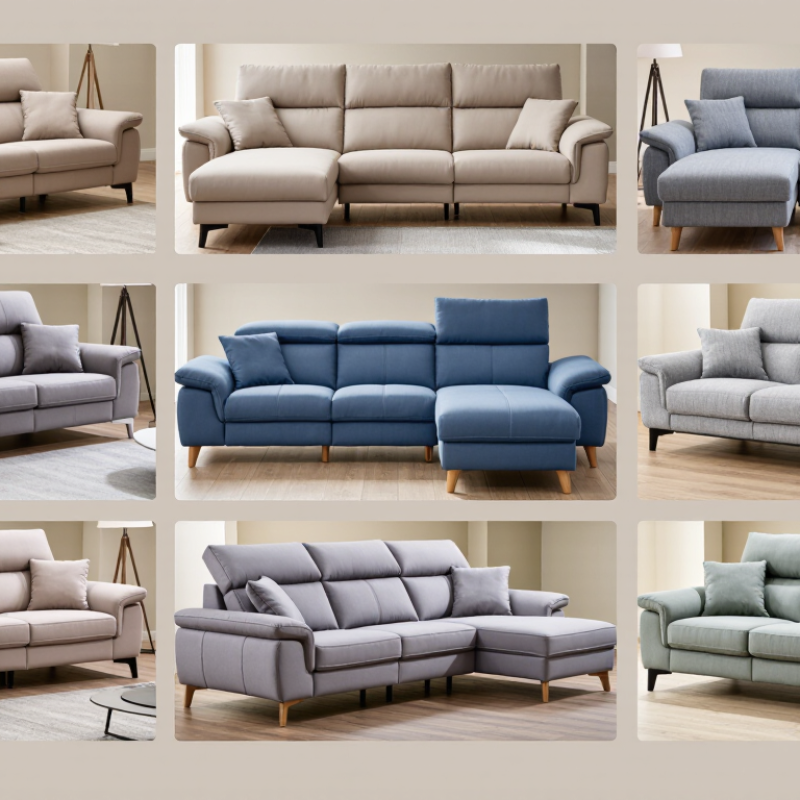
A fluffy couch combines a soft-touch cover, generous padding, and a relaxed silhouette. Its deep cushions create a cloud-like appearance. However, softness alone does not define quality. Reliable construction also depends on foam density, webbing strength, seam accuracy, and balanced support. A couch may look inviting in photographs but feel unstable after several months. This is where professional evaluation matters.
Global buyers often choose China for its broad upholstery supply chain and flexible production capacity. Manufacturers can source fabrics, foam, frames, and hardware through established regional networks. Many factories also support custom dimensions, removable covers, packaging tests, and small-batch development. For international orders, buyers should request material specifications, production samples, and inspection records. Compliance requirements vary by destination, especially for flammability, chemical content, labeling, and packaging. Never rely on appearance alone. A lower quotation can hide weaker foam or costly shipping damage.
Tips: Ask for a cutaway sample when possible. Check cushion recovery after repeated compression. Review stitching around corners and zippers. Confirm carton size before ordering; oversized packages can raise freight costs sharply. Also, test the fabric under realistic lighting. Some plush textiles collect dust more easily than expected, which may disappoint homes with children or pets.
China Top 10 Fluffy Couch Manufacturers for Global Buyers
How China’s Top 10 Fluffy Couch Manufacturers Are Selected
The selection begins with evidence, not catalog photographs. China Customs data shows furniture and parts exports reached roughly US$73 billion in 2023. This scale reflects strong capacity, but it does not prove consistent quality. CSIL’s World Furniture Outlook reports that global furniture consumption exceeded US$700 billion in 2023. Buyers therefore need suppliers that can repeat performance across large orders. During factory assessments, we check cutting accuracy, sewing tension, foam recovery, frame moisture, and packing strength. We also compare approved samples with randomly selected production units. Small differences matter. A softer armrest may indicate uncontrolled filling density.
Supplier rankings also consider documented testing and export experience. Upholstery fabric should show abrasion results, colorfastness records, and cleaning guidance. Foam specifications should include density and resilience, not vague terms like “high quality.” Wooden frames require moisture control and stable joint construction. We review inspection records, defect rates, production lead times, and corrective actions. Delivery reliability matters because port delays can disrupt retail launches. A factory with modern equipment may still lack disciplined quality management. No scorecard is perfect. Some workshops communicate well but document poorly. Others provide excellent paperwork yet perform inconsistently during peak seasons. For this reason, the final ten are selected through factory visits, third-party inspection evidence, sample testing, and repeated communication checks. Price remains relevant, but it receives less weight than measurable reliability.
Objective selection framework for comparing export-oriented fluffy couch manufacturers without displaying company or brand information
| No. | Evaluation Dimension | Weight | How the Dimension Is Measured | Typical Verification Evidence | Recommended Benchmark |
|---|---|---|---|---|---|
| 1 | Manufacturing Experience | 15% | Years of documented upholstered-furniture production and experience serving overseas customers. | Business registration records, factory profile, production history, export documentation and completed project references. | At least 5 years of relevant production experience. |
| 2 | Product Construction Quality | 15% | Assessment of frame materials, joinery, webbing or spring support, padding recovery and seam consistency. | Material specifications, product samples, factory quality-control procedures and independent inspection reports. | Consistent construction with documented inspection checkpoints. |
| 3 | Fabric and Filling Options | 10% | Range of upholstery fabrics, pile textures, color options, foam densities and alternative filling materials. | Material swatches, technical data sheets, color cards and sample approval records. | Multiple fabric, color and comfort configurations available. |
| 4 | Customization Capability | 10% | Ability to modify dimensions, upholstery, seat firmness, modular layouts, packaging and private-label specifications. | Approved drawings, sample-development records, customization catalogues and prototype photographs. | Supports made-to-order dimensions and specification changes. |
| 5 | Quality Management | 12% | Effectiveness of incoming-material inspection, in-process checks, final inspection and corrective-action procedures. | Quality manuals, inspection checklists, nonconformity records and applicable ISO 9001 certification where available. | Documented quality system with traceable inspection records. |
| 6 | Material Safety and Compliance | 10% | Compliance of fabrics, foams, coatings and other materials with destination-market chemical and safety requirements. | Laboratory test reports, restricted-substance declarations and documentation addressing requirements such as REACH or applicable local regulations. | Current, product-specific compliance documentation available. |
| 7 | Production Capacity | 10% | Ability to handle sample orders, recurring wholesale orders, seasonal demand and consistent production scheduling. | Capacity statements, production schedules, equipment lists, workforce information and historical delivery records. | Capacity is supported by documented planning and scalable processes. |
| 8 | Export and Logistics Competence | 8% | Experience with export packaging, container loading, shipping documentation, Incoterms and destination-country requirements. | Commercial invoices, packing lists, bills of lading, export records and packaging specifications. | Established procedures for international ocean and air shipments. |
| 9 | Packaging and Damage Prevention | 5% | Protection of plush upholstery, corners, legs, mechanisms and modular components during handling and transportation. | Packaging drawings, drop-test results where applicable, container-loading photographs and delivery claims data. | Packaging is designed for long-distance international transit. |
| 10 | Communication and After-Sales Support | 5% | Responsiveness during sampling, clarity of quotations, technical communication, warranty handling and replacement-part support. | Quotation records, sampling timelines, warranty terms, service procedures and buyer feedback. | Clear communication, written warranty terms and documented issue resolution. |
Selection method: Candidates are evaluated against the ten dimensions above using verified documentation, sample assessment, production capability checks and export-readiness reviews. The weighted criteria total 100% and are intended to support transparent comparison for global buyers.
China’s fluffy couch sector serves both residential and hospitality buyers. Grand View Research valued the global furniture market at US$677.09 billion in 2023. It also forecasts a 5.2% annual growth rate through 2030. This demand favors manufacturers with stable upholstery systems, not just attractive showroom pieces.
The first manufacturer focuses on oversized modular sofas, using high-resilience foam and removable covers. The second specializes in compact couches for apartments, with vacuum-packed shipping options. The third produces curved designs with kiln-dried hardwood frames. The fourth supplies hotel projects and tests fabrics for abrasion resistance. The fifth combines boucle, chenille, and recycled polyester textiles. Soft, but practical. The sixth offers private-label production, including custom dimensions and carton markings. The seventh is known for motion seating, though its mechanisms require careful inspection. The eighth develops pet-friendly fabrics with tighter weaves. The ninth supports fast sampling and small trial orders. The tenth concentrates on high-end handmade upholstery, including channel stitching and deep-button details.
China Customs data placed furniture exports above US$70 billion in 2023, showing the sector’s strong international reach. However, export scale does not guarantee consistent quality. Buyers should request frame photographs, foam density records, seam samples, and independent inspection reports. EN 12520 testing can help assess seating durability for domestic use. One overlooked issue is fabric color variation between production batches. Pre-shipment checks remain essential, especially for fluffy surfaces that can hide uneven filling or weak stitching.
China Top 10 Fluffy Couch Manufacturers for Global Buyers
China’s top ten fluffy couch manufacturers differ sharply in product construction and finish. Some focus on deep modular sofas with removable covers. Others produce compact lounge couches for apartments and hospitality spaces. Bouclé, chenille, velvet, and linen-look fabrics create different textures and cleaning demands. Feather-blend cushions feel softer, while high-resilience foam keeps a firmer shape. The filling matters.
Quality begins inside the upholstery. Buyers should check frame wood, spring support, foam density, stitching, and cushion recovery. A kiln-dried hardwood frame usually offers stronger daily support. Tight seams reduce fabric shifting. Reliable manufacturers can provide test reports, material samples, and production photos. Ask for compression results, abrasion ratings, and packaging details. A beautiful showroom sample proves little.
Customization separates experienced factories from basic suppliers. Many can adjust length, seat depth, arm width, leg style, fabric color, and cushion firmness. Some also develop custom patterns or room-specific modules. However, every change may affect cost, lead time, or structural balance. A longer sofa may need extra internal support. A softer seat may lose shape sooner. Small mistakes happen. One overlooked centimeter can complicate installation overseas. Buyers should approve a pre-production sample and inspect random units before shipment. Clear tolerance limits, carton labels, spare covers, and replacement parts make after-sales handling easier. A lower quotation is not always the better purchase.
China’s top fluffy couch manufacturers serve overseas buyers with different export capabilities, price structures, and quality controls. In practical sourcing, compare complete quotations, not only unit prices. A low offer may exclude cushions, protective packaging, testing, or inland delivery. Confirm the Incoterm, minimum order quantity, fabric composition, foam density, frame material, and production lead time. Request a pre-production sample with stitching, color, filling recovery, and seat firmness clearly recorded.
Certification requirements depend on the destination market and product design. Ask for valid management certificates, material test reports, fire-safety documentation, and chemical compliance records where applicable. Do not treat an ISO certificate as proof that every sofa meets local requirements. Check the report number, testing laboratory, product model, and issue date. Export experience also appears in accurate invoices, packing lists, shipping marks, and customs documentation. Small errors can delay a container.
Supplier evaluation should combine documents with physical evidence. Review factory capacity, inspection procedures, defect records, worker training, and packaging tests. A video call is useful, but an independent audit is stronger. A polished sample can still hide weak bulk production. Require approval samples, measurable tolerances, and inspection before shipment. Payment terms deserve equal attention. One weakness remains common: buyers sometimes choose the cheapest quote and discover the real cost later. Reliable cooperation needs clear specifications, realistic schedules, and written corrective actions.