How to Choose the Best Low Sofa for Your Small Living Space
When it comes to furnishing a small living space, every piece of furniture matters, especially the sofa, which often serves as the room's focal point. One exceptional option to consider is the "Low Sofa." These sofas are specifically designed to provide a sleek and modern look while maximizing available space. Their lower profile not only enhances the visual flow of the room but also creates an illusion of height, making small areas feel more open and airy.
Choosing the right Low Sofa requires careful consideration of several factors, including size, style, and functionality. The key is to find a balance between comfort and aesthetics while ensuring that the piece fits harmoniously with your existing decor. Additionally, exploring materials and color schemes can help you to tailor the sofa to reflect your personal style without overwhelming the space.
In this guide, we will delve into the essential aspects of selecting the perfect Low Sofa for your cozy living area, enabling you to make an informed decision that elevates both style and comfort. Whether you are working with tight corners or need extra seating, the right choice in a Low Sofa can transform your small living space into a welcoming and stylish retreat.

Understanding the Benefits of Low Sofas in Small Living Spaces
Low sofas are increasingly becoming a popular choice for small living spaces, and for good reason. One of the primary benefits of low sofas is their ability to create an illusion of more space. By having a lower profile, these sofas help to visually expand the room and maintain an airy atmosphere. This is particularly advantageous in compact areas where tall furniture can overwhelm the space, making it feel cramped and cluttered.
When selecting a low sofa, consider the overall design of your small living area. Opt for lighter colors and minimalistic designs that can contribute to a more open feel. Additionally, choose sofas with exposed legs to enhance the sense of space. Remember, functionality is key; look for pieces that offer storage options or multifunctionality, such as a sofa bed, to maximize your living area.
**Tips:**
1. Measure your space carefully before making a purchase to ensure the sofa fits well without overcrowding the room.
2. Pair your low sofa with matching decor, like low-profile coffee tables or floating shelves, to keep everything cohesive and visually appealing.
3. Incorporate mirrors in the design, as they can reflect light and create the illusion of a larger area, complementing the low sofa effectively.
How to Choose the Best Low Sofa for Your Small Living Space - Understanding the Benefits of Low Sofas in Small Living Spaces
| Feature |
Description |
Benefits |
Considerations |
| Height |
Low profile design, typically under 30 inches. |
Creates an illusion of more space. |
May not suit taller individuals. |
| Style |
Available in modern, minimalist, and traditional styles. |
Enhances the overall aesthetic of small rooms. |
Ensure it matches your existing decor. |
| Material |
Leather, fabric, or blends. |
Durable options for high-traffic areas. |
Consider maintenance and cleaning needs. |
| Seating Capacity |
Available in various sizes, usually for 2-4 people. |
Ideal for small gatherings without crowding. |
Choose size based on room dimensions. |
| Functionality |
Some models include storage options. |
Maximizes utility in limited space. |
Check weight limits for storage features. |
Key Measurements to Consider When Choosing a Low Sofa
When selecting a low sofa for a small living space, key measurements are crucial to ensure both aesthetic and functional harmony. According to industry experts, the average height of a low sofa typically ranges from 28 to 32 inches, making it essential to assess your living area's dimensions and ceiling height. This can help create an inviting atmosphere that doesn’t overwhelm the space. In confined areas, consider the width and depth of the sofa, which should ideally be proportionate to the surrounding furniture to maintain flow and usability.
Tips: Always measure the width of doorways and stairways to ensure that your new sofa can be delivered easily into your space. Additionally, keeping space around the sofa clear (ideally 18 inches from walls) can enhance the perception of roominess and accessibility.
Moreover, the seat height of the sofa should be comfortable for not only you but also any guests, generally ranging from 16 to 20 inches from the ground. This range accommodates various body types, enhancing comfort and encouraging usage. When shopping for a low sofa, remember to test it out, as the right fit can significantly influence the overall appeal and functionality of your living space.
Low Sofa Dimensions for Small Living Spaces
This chart illustrates the typical dimensions of a low sofa suited for small living spaces. Considering width, depth, height, and seat height is essential to ensure comfort and fit within your space.
Styles and Designs of Low Sofas Suitable for Compact Rooms
When selecting a low sofa for a compact room, the styles and designs you consider can significantly impact both functionality and aesthetics. A popular choice for small spaces is the mid-century modern low-profile sofa, characterized by its clean lines and minimalistic design. These sofas typically feature tapered legs and a sleek, low back, creating an illusion of more space while maintaining a stylish look. Their versatile color options and fabric choices allow them to blend seamlessly with various decor styles, making them a great addition to any small living area.
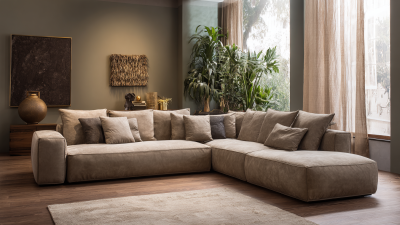
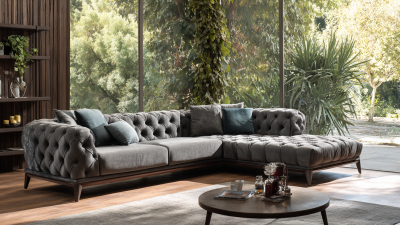
Another appealing option is the sectional low sofa, which offers flexibility in seating arrangements to maximize the room's layout. L-shaped or U-shaped sectionals can fit snugly into corners, providing ample seating without overwhelming the space. To enhance the cozy atmosphere of a small living room, consider selecting a low sofa with built-in storage, such as hidden compartments beneath the seat cushions. This design not only preserves the clean lines typically associated with low sofas but also adds practicality by helping you keep your living environment clutter-free. Choosing the right colors and textiles can further elevate the visual appeal, making the sofa a focal point of your compact space.
Material Options for Low Sofas: Durability and Aesthetics
When selecting a low sofa for a small living space, one of the primary considerations is the material used, as it significantly impacts both durability and aesthetics. According to a recent report by the American Furniture Manufacturers Association, over 60% of consumers prioritize material quality when purchasing furniture. For small spaces, lightweight materials like metal and certain types of engineered wood can provide the structural integrity needed without overwhelming a room’s aesthetic.
Fabric choice is another critical factor; options such as microfiber and synthetic blends offer durability while maintaining a stylish look. Data from the Textile World indicates that synthetic fabrics can withstand approximately 15,000 to 30,000 double rubs in abrasion tests, making them ideal for daily use in compact living areas. Moreover, these materials are often easier to clean and maintain, ensuring that your investment lasts longer while maintaining its visual appeal.
Tips: When considering fabric, opt for darker colors or patterns that can help camouflage wear and tear. Additionally, look for upholstery treated with stain-resistant finishes. Prioritize materials that offer both form and function, ensuring that your low sofa complements your small living space without compromising on comfort or style. Choosing the right material can elevate your living area while reflecting your individual aesthetic preferences.
Tips for Arranging a Low Sofa to Maximize Space Efficiency
Arranging a low sofa in a small living space requires thoughtful consideration to maximize space efficiency. According to the National Association of Home Builders, over 30% of Americans live in homes that are less than 1,500 square feet, necessitating smart furniture choices. Low sofas, with their sleek profiles, create an illusion of more space, making them ideal for compact areas. When placing a low sofa, position it against the longest wall to enhance flow, leaving ample walkways to avoid a cramped feel. Additionally, consider the use of multi-functional furniture; ottomans or coffee tables that serve as storage can further optimize your living area, reducing clutter.
To create a sense of openness, utilize light colors and minimalistic décor around your low sofa. The Design Institute of America emphasizes that color plays a crucial role in visual perception; lighter shades can make a room appear larger and more inviting. Moreover, integrating mirrors into your design can amplify natural light and create depth, enhancing the overall space efficiency. Employing these strategies not only maximizes your living area but also contributes to a more aesthetically pleasing environment, ideal for both relaxation and entertainment.