How to Choose the Best Plush Couch for Your Home?
Choosing the right plush couch for your home can be a daunting task. With countless styles and materials, making decisions may feel overwhelming. A plush couch should complement your space while offering comfort. It often acts as the centerpiece of your living room.
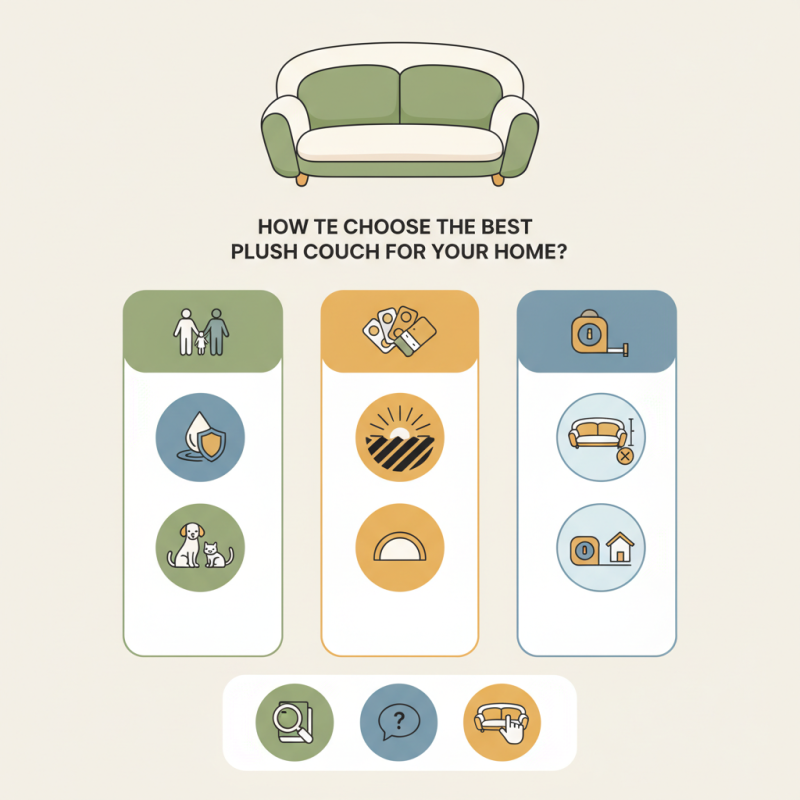
When selecting your plush couch, consider your lifestyle. Do you have children or pets? Durable fabrics might be essential. Meanwhile, your aesthetic preference is vital. A bold color can energize a room, while a neutral tone offers versatility. Think about room size, too; a massive couch may not fit comfortably in a small space.
Investing time in research pays off. Don’t rush the decision. Visiting showrooms is helpful to assess comfort. Each plush couch has its unique feel. Some may not provide the support you seek. Keep your priorities in mind and enjoy the process. Remember, your plush couch will be a big part of your home for years to come.
Factors to Consider When Selecting a Plush Couch for Your Home
Selecting a plush couch involves understanding several key factors. Comfort should be your primary consideration. The couch should invite you to sink in and relax. Test the cushions and feel the fabric. A soft, cozy texture can make a significant difference in your living space.
Next, think about the size of the couch. Measure your room to ensure it fits well. A couch too large can overwhelm the space, while a small one may look lost. Arrange furniture in your mind before making a choice. Visualize how the couch interacts with other pieces.
Colors and patterns also play a role. Choose shades that complement your decor but consider your lifestyle. Lighter colors may show stains easily, while dark hues can hide them but feel heavier.
Lastly, don’t forget about the construction. A sturdy frame ensures longevity. Research the materials used. Heavier woods generally indicate quality. Despite our best efforts, you might find flaws that need addressing later. A plush couch should not only be beautiful; it should also serve your needs over time. Make informed decisions. Your space deserves it.
Understanding Different Types of Upholstery Materials in Plush Couches
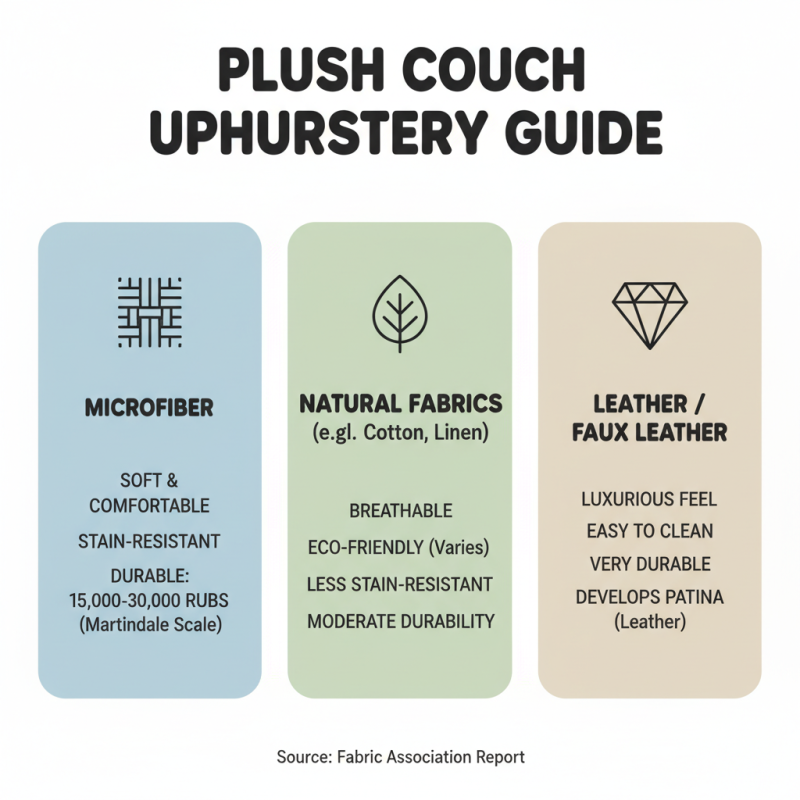
When selecting a plush couch, upholstery choice is crucial. Different materials can greatly affect durability, appearance, and comfort. Fabrics like microfiber are popular for their stain resistance and softness. According to a report from the Fabric Association, microfiber can withstand 15,000 to 30,000 rubs on the Martindale scale, making it a durable option for families.
Natural fibers like cotton and linen provide a classic aesthetic but may require more maintenance. Cotton blends offer breathability and are often more affordable. However, they may fray over time. A survey by the Upholstery Institute noted that 40% of homeowners prefer natural materials for their ecological benefits.
Synthetic options such as polyester and nylon are known for their resilience, making them suitable for high-traffic areas. A drawback is these materials can feel less breathable. While a plush couch can elevate a living space, choosing the wrong upholstery material may lead to dissatisfaction. Prioritizing comfort, maintenance, and longevity ensures your investment pays off.
Assessing Comfort Levels: Cushions, Firmness, and Support Standards
When selecting a plush couch, comfort is key. Assessing the cushions is essential for finding the right fit. Soft cushions may feel inviting, but they can lack support over time. On the other hand, firm cushions provide stability, yet they could be too rigid for extended lounging. Choose a balance that suits your preferences, maybe test them in-store if possible.
Firmness is another critical factor. The couch should support your body without leaving you feeling stiff. Adequate back support promotes healthy posture. A well-designed couch accommodates various body types comfortably. Don’t rush this decision; comfort is subjective and requires personal assessment.
Consider the thickness of the cushions as well. Thicker cushions often indicate better durability. However, this can sometimes lead to a less modern look. Reflect on your room's style and choose based on aesthetics and comfort. Finding the right plush couch may take time, but the benefits of a well-supported cuddle corner are worth it.
How to Choose the Best Plush Couch for Your Home?
| Couch Model |
Cushion Type |
Firmness Level |
Support Standard |
Price Range |
| Model A |
Memory Foam |
Medium |
High |
$800 - $1200 |
| Model B |
Polyester Blend |
Soft |
Medium |
$600 - $900 |
| Model C |
Latex Foam |
Firm |
Very High |
$1000 - $1500 |
| Model D |
Down Blend |
Soft |
Medium |
$700 - $1100 |
Evaluating Size and Space: Fit Your Plush Couch in Your Living Area
When selecting a plush couch, size and space are crucial. According to recent industry reports, nearly 30% of customers regret their sofa choice due to improper sizing. A plush couch should complement your living area, not overwhelm it. Measure the space before purchasing. A good rule of thumb: leave at least 18 inches between the couch and other furniture.
Consider the layout of your room. Is the couch best placed against a wall or in the center? Open spaces benefit from sectionals, which can adapt to various room configurations. A study by the Interior Design Society revealed that 40% of homeowners prefer modular sofas for their flexibility. Visualizing your space can make a significant difference.
Don't forget about accessibility. Can you easily move around your couch? A common mistake is underestimating traffic flow. Ensure you leave enough pathways for comfort and convenience. Sofas that fit well create a more welcoming atmosphere. Think about how you use your living space. The right dimensions foster relaxation, while poor choices can lead to dissatisfaction.
How to Choose the Best Plush Couch for Your Home?
Evaluating Size and Space
Budgeting for Quality: How Price Affects Plush Couch Durability
When choosing a plush couch, price and quality go hand in hand. A higher price often indicates better materials and craftsmanship. However, not every expensive couch is worth the investment. Look for durability and comfort before making a purchase. Cheaper options may save money upfront but could lead to higher costs in the long run due to wear and tear.
Tips: Examine the couch frame closely. Solid wood frames typically offer more durability than particle board. Test cushion softness—high-density foam usually lasts longer and retains its shape better. Consider fabrics too; some blends can resist staining and fading.
It's easy to overlook the long-term effects of budgeting. A couch should fit your lifestyle. If you have kids or pets, durability is crucial. Be realistic about how often you'll use it. Reflect on your space too. A large couch might feel inviting, but will it overwhelm your room? Take your time to weigh these factors before committing to a purchase. While appealing designs catch the eye, functionality should always come first.