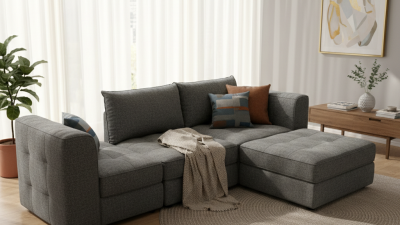
How to Choose the Perfect Design Couch for Your Home?
Choosing the perfect design couch for your home can feel overwhelming. With countless styles, colors, and materials available, it’s essential to find a balance between aesthetics and comfort. A well-selected design couch not only enhances your living space but also reflects your personality.
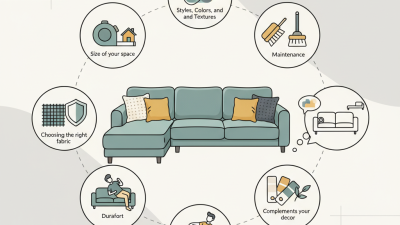
When selecting a design couch, consider the overall layout of your home. Think about the size and shape that best suits your space. An oversized couch may dominate a small room, while a sleek option can blend seamlessly. Pay attention to fabric types as well. Each material offers unique attributes in terms of durability and maintenance.
It’s easy to get lost in the design choices, but remember function matters too. Reflect on how your couch will be used. Will it host family gatherings? Or serve as a quiet reading nook? A design couch should meet your lifestyle needs while providing that stylish touch. Trust your instincts, but be open to creativity and imperfect choices. Let your couch be a conversation starter in your home.
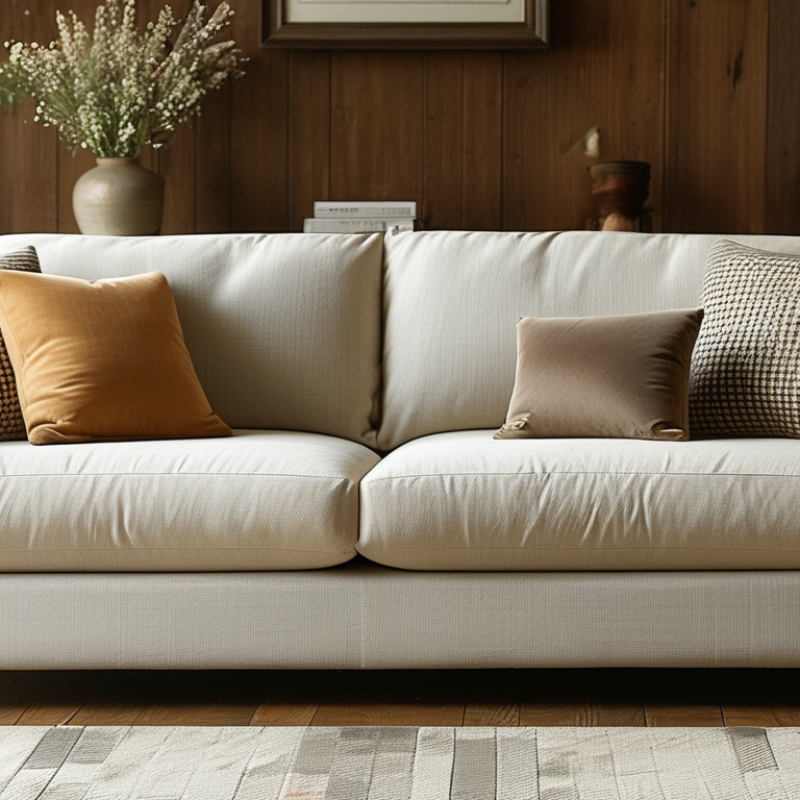
Understanding Your Space: Assessing Room Size and Layout
Choosing the right couch for your home involves understanding your space well. Begin by assessing the size of your room. Measure the length, width, and height. This helps you visualize where the couch will fit without overwhelming the area. Open spaces often require mid-sized couches to maintain balance. A small room may need a sleeker design to avoid a cramped feel.
Next, consider the layout. Is your room open or segmented? A sectional couch can fill an open area effectively. However, an L-shaped couch might become too dominating in a smaller room. Think about flow. Can people move around easily? If the couch blocks pathways, it will create frustration.
Take time to envision how the couch will interact with your existing décor. The color and material should complement the room. Thick fabrics may invite comfort, but they can also absorb more dust. This requires regular cleaning. An imperfect choice can lead to dissatisfaction. Reflect on your needs and lifestyle. A couch is an investment in your home, so ensure it serves you well over time.
Choosing the Right Couch Size Based on Room Dimensions
Identifying Your Style: Choosing Between Modern, Classic, and Eclectic
When choosing a couch, your style speaks volumes. The right couch reflects personal taste and enhances your space. Industry reports show that 76% of homeowners focus on style when selecting furniture. Modern designs often embrace minimalism. They use clean lines and neutral tones, creating an effortless blend with contemporary décor. Such couches are ideal for apartments or smaller living spaces.
Classic styles offer enduring appeal. Think timeless silhouettes and rich colors that can anchor a room. A well-made classic couch can last for decades, offering both style and comfort. According to a recent survey, 59% of buyers prefer classic designs for their versatility.
Tips: Visualize your room. Measure the space before purchasing. This ensures your chosen couch fits seamlessly into the design. Eclectic styles allow for a mix of influences. They invite bold colors, patterns, and textures. This option can sometimes feel overwhelming. It requires a keen eye for balance. Feel free to experiment, but be mindful of creating a cohesive look. Your couch should invite conversation and comfort.
Material Matters: Selecting Upholstery That Suits Your Lifestyle
When selecting upholstery for your couch, consider your lifestyle and needs. Different materials offer unique benefits and drawbacks. For families, leather is often preferred. It is durable, easy to clean, and ages beautifully. In a study by the American Home Furnishings Alliance, 65% of respondents indicated that pet and child-friendly materials were a top priority when choosing furniture.
Fabric options are vast and diverse. Microfiber, for example, is a popular choice for its stain resistance and soft texture. According to a recent survey, 58% of consumers appreciated the ability of microfiber to repel spills. However, this fabric can attract dust and require regular maintenance. Natural fibers, such as cotton and linen, provide breathability and comfort, but they may stain more easily and require more care.
Color and texture also play crucial roles in your decision. Darker tones can hide stains better than light ones. However, light colors can brighten a space, creating an inviting atmosphere. While it's tempting to choose visually stunning upholstery, acknowledging the practical aspects is essential. Balancing aesthetics with functionality is necessary for a couch that meets your long-term needs.
Comfort vs. Aesthetics: Balancing Looks and Functionality in Design
When selecting a design couch, comfort and aesthetics often clash. Homeowners face a dilemma: choose a stylish piece that makes a statement or opt for a sofa that feels great. Striking a balance can be challenging. A beautiful couch may look appealing but can lack the support needed for long hours of lounging. On the other hand, an ultra-comfortable design may not fit the overall aesthetic of your living space.
Consider the materials and shapes as well. Luxurious fabrics like velvet or leather enhance visual appeal. Yet, they may require more maintenance and care. A well-structured piece provides good support, but harsh lines can make a room feel cold. Think about how often you entertain guests. If you love hosting, comfort might outweigh pure visual appeal. However, if your home is your retreat, invest in what makes you feel good.
It’s essential to ask yourself tough questions. Will this couch stand the test of time both in style and comfort? Is it feasible for everyday use? Reflecting on your lifestyle and preferences can lead to better choices. The perfect couch should not only complete your room but also provide a cozy haven. Balancing looks and functionality is an art that often requires compromise and reflection.
How to Choose the Perfect Design Couch for Your Home?
| Couch Type |
Comfort Rating (out of 10) |
Aesthetic Appeal (out of 10) |
Material |
Price Range |
| Sectional Sofa |
9 |
8 |
Fabric |
$800 - $2500 |
| Chesterfield Sofa |
8 |
9 |
Leather |
$1500 - $4000 |
| Loveseat |
7 |
7 |
Microfiber |
$300 - $1200 |
| Recliner Sofa |
10 |
6 |
Leather/Fabric |
$500 - $2000 |
| Sofa Bed |
8 |
7 |
Fabric |
$400 - $1500 |
Budgeting Wisely: How to Determine the Right Price Range for a Couch
Budgeting for a couch can be challenging. It’s important to balance
cost with quality. Start by deciding how much you can comfortably spend.
Consider other expenses like delivery and maintenance. A well-made couch may have a
higher upfront cost, but it provides long-term value.
Research various fabric options. Natural materials often cost more than
synthetic ones, but they can last longer and feel better.
Visiting local stores helps you understand price differences. Online research allows you to compare
models and features easily. However, pictures can be misleading. Always look for
reviews.
Once you have a budget and style in mind, explore different retailers. Don’t rush into a purchase.
Wait for sales or special promotions. It’s crucial to
reflect on what is essential for your space. A couch should fit your lifestyle,
not just your budget. Be open to adjusting your expectations as you gather more information.