How to Choose the Perfect Plush Couch for Your Living Room?
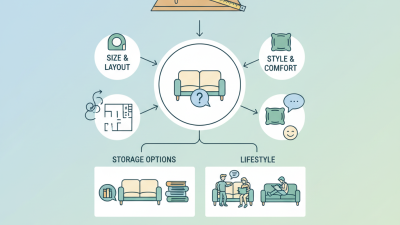
Choosing the perfect plush couch for your living room is an important decision. A well-chosen couch enhances both comfort and style. It becomes the centerpiece of your space, inviting relaxation and conversation. Selecting the right plush couch involves considering various factors, such as size, color, and material.
Different fabrics offer different feelings. A soft velvet plush couch may feel luxurious, while a durable microfiber is practical for families. It’s essential to think about your lifestyle. A couch that looks great might not be comfortable for everyday use. Reflect on how you use your living room space. Do you entertain often, or is it more of a cozy retreat?
Make sure to try before you buy. Sit on the plush couch to truly assess its comfort. Take note of the cushion support and overall feel. It's easy to fall for aesthetics, but functionality matters too. Remember, your couch should reflect your personality while meeting practical needs.

Identifying Your Living Room Style and Color Palette
Choosing the right plush couch begins with understanding your living room's style and color scheme. Research shows that about 70% of homeowners prioritize comfort and style when selecting furniture. A well-coordinated palette can create a cohesive atmosphere. For instance, soft neutrals paired with rich textures can evoke warmth and sophistication.
Consider the psychology of color. Soft blues can instill calmness, while warm reds might add energy. A report from the Color Marketing Group notes that living room palettes lean toward muted tones, with 60% of surveyed designers favoring earth tones this year. This highlights the importance of aligning your couch with existing decor choices. Additionally, the couch should complement your room's style—be it modern, rustic, or eclectic.
Think practically, too. A bold color may seem appealing, but it can age poorly or clash with future decor changes. Many homeowners find themselves rethinking their choices after just a few months. Reflecting on how often you rearrange your space can guide your final decision. Ultimately, your plush couch should be a harmonious anchor in your living area, embodying both your style and function needs.
Understanding Different Types of Plush Couch Materials
When choosing a plush couch, the material plays a crucial role in comfort and maintenance. Common materials include velvet, microfiber, and cotton blends.
Velvet offers a luxurious feel and depth of color. It can be a bit difficult to maintain, as it attracts pet hair and dust easily. Microfiber, on the other hand, is known for its durability and ease of cleaning. According to industry data, approximately 70% of households prefer microfiber for its stain-resistant properties.
Cotton blends are another popular choice. They provide breathability and comfort.
However, they can be less durable than synthetic materials. Studies indicate that natural fibers can wear out faster, especially in heavy-use areas. It's essential to consider how often you use your living room when selecting a material.
The texture of your couch also impacts its aesthetic appeal. A textured fabric can add dimension to your space, making it more inviting. While plush couches may seem perfect, keep in mind their varying maintenance levels. Regular cleaning is necessary to preserve their look and feel. In conclusion, understanding these materials helps you make an informed choice, balancing comfort, style, and practicality.
Evaluating Size and Space Considerations for Your Couch
When choosing a plush couch, size and space are crucial. The American Home Furnishings Alliance reported that nearly 30% of consumers measure their living spaces before purchasing furniture. This practice minimizes costly mistakes. Measuring your room, including doorways, is vital. A couch too large can overwhelm a small space. Conversely, a tiny couch may look lost in a vast area.
A standard sofa typically measures between 72 to 96 inches in length. If your living room is small, consider a loveseat or sectional design. According to a recent furniture design study, open layouts have increased by 40% in recent years. This trend encourages the use of versatile furniture that enhances space, such as modular couches that you can rearrange.
Consider your lifestyle as you evaluate size. If you entertain frequently, a larger couch may be beneficial. For cozy movie nights, a cuddling space is ideal. Always visualize how the couch fits into your existing décor. It should enhance your room's aesthetic rather than clash with it. Remember to account for movement space around the couch. Stuffy pathways can create an uncomfortable environment. Prioritizing balance and functionality will lead to a perfect choice.
Assessing Comfort and Support Features in Plush Couches
When selecting a plush couch for your living room, comfort and support are paramount. According to the American Chiropractic Association, nearly 80% of Americans experience back pain at some point. Thus, choosing a couch that offers the right support can help mitigate discomfort. Look for couches that feature lumbar support, as this design encourages proper posture.
Materials play a critical role in comfort. High-density foam is a popular choice because it provides the right balance of softness and support. Research indicates that foam density should ideally be above 1.8 pounds per cubic foot for optimal durability. Additionally, the couch's fabric can impact both comfort and breathability. Options like microfiber or polyester are often recommended for their softness and ease of cleaning.
Testing the couch in-store is essential. Sit, recline, and observe how the cushion responds. A surprisingly soft couch may seem inviting, but it can lead to poor posture over time. Consider that a plush couch should cradle your body while allowing easy movement. Feedback from users often highlights the importance of trying different styles before making a decision. An informed choice combines personal comfort with long-term support.
How to Choose the Perfect Plush Couch for Your Living Room? - Assessing Comfort and Support Features in Plush Couches
| Couch Type |
Comfort Level |
Support Features |
Material |
Price Range |
| Sectional Couch |
High |
Lumber Support, Adjustable Headrests |
Polyester Blend |
$800 - $1500 |
| Sofa Bed |
Medium |
Foldable Base, Memory Foam Mattress |
Fabric |
$600 - $1200 |
| Chesterfield |
High |
Deep Seating, High-Quality Cushioning |
Leather |
$1000 - $2000 |
| Mid-Century Modern |
Medium |
Solid Wood Frame, Loose Cushions |
Cotton |
$700 - $1500 |
| Reclining Sofa |
High |
Recliner Mechanism, Head & Lumbar Support |
Microfiber |
$900 - $1800 |
Setting a Budget and Exploring Price Ranges for Quality Couches
Setting a budget for a plush couch can be challenging yet crucial. Start by determining how much you can realistically spend. A quality couch often ranges from a few hundred to several thousand dollars, depending on materials and craftsmanship. Look for a balance between comfort and durability. A solid frame is key. Soft, high-density foam can enhance comfort, but ensure it fits your price range.
Explore online and local stores to compare prices. Visiting showrooms allows you to test the couch, which can be enlightening. Pay attention to fabric types. Some materials, like polyester, are more affordable yet last longer. Others, such as velvet, may elevate the look but will usually cost more. Think about your lifestyle as well. Families with kids may need more durable options.
Searching for the perfect plush couch isn't a one-size-fits-all process. Reflect on your living room setup and the scale of the couch you need. Don’t overlook additional costs like delivery or assembly, which may affect your budget. You might find that the ideal couch is just out of reach. Consider waiting for sales or exploring second-hand options. Each choice will challenge your initial budget and preferences.
Price Ranges for Plush Couches