What is a Compressed Foam Sofa and How Does it Enhance Your Comfort?
The Compressed Foam Sofa is changing how we experience comfort at home. This innovative furniture uses advanced materials to enhance softness and support. According to industry reports, 73% of consumers prioritize comfort when choosing sofas. Compressed foam offers a unique balance between firmness and cushiness. It molds to your body while providing necessary support.
Compressed foam technology allows for better airflow, preventing heat retention. A study by the Upholstered Furniture Council indicated that adjustable sofas can improve posture and reduce back pain. Yet, many consumers overlook this when shopping. The benefits of a Compressed Foam Sofa aren't always visible at first glance, but you will feel the difference.
While compression technology is impressive, it can sometimes lead to durability concerns. Some compressed foams may wear out faster than traditional materials. It's essential to assess quality before making a decision. A Compressed Foam Sofa can enhance your lifestyle, but reflection on your needs is crucial. A well-informed choice leads to greater satisfaction in the long run.

Definition of Compressed Foam Sofa and Its Unique Features
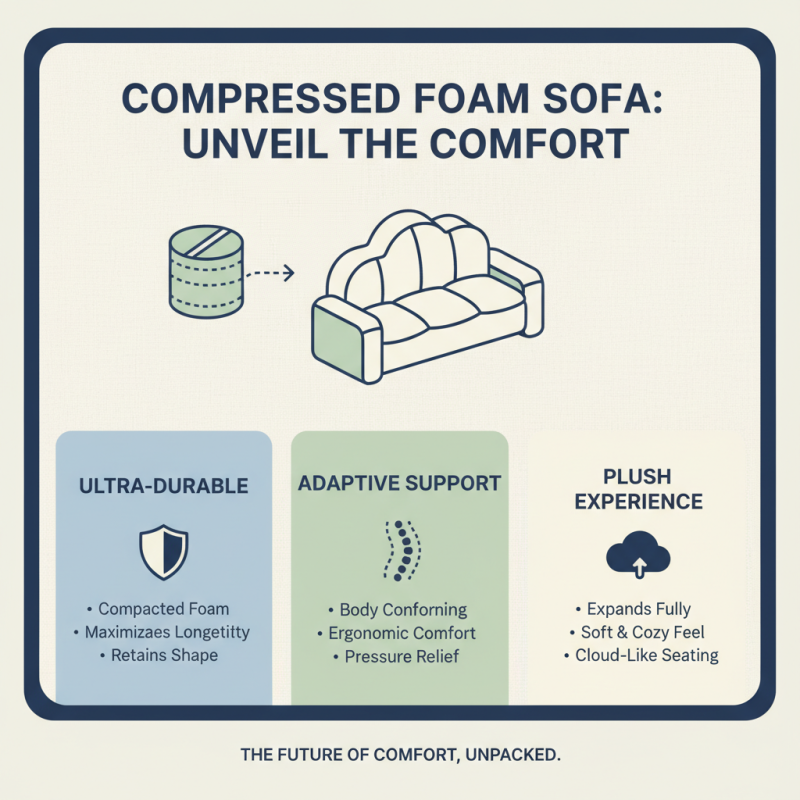
A compressed foam sofa offers a unique blend of comfort and support. This type of sofa uses specially designed foam that is compacted to maximize durability. When unwrapped, the foam expands, providing a plush seating experience. The secret lies in the foam's structure, which allows it to adapt to your body shape.
One notable feature is the sofa's lightweight nature. This makes it easy to rearrange or move when needed. Additionally, compressed foam tends to be resistant to sagging. Over time, many sofas lose their shape, but this type holds up better.
However, not all compressed foam sofas are the same. Some might not achieve the ideal firmness or softness balance. It's important to test them out before making a decision. Colors and patterns can also vary, potentially limiting design choices. Finding the perfect one can be a challenge, but the comfort it offers is often worth the effort.
Types of Compressed Foam Used in Sofa Manufacturing
Compressed foam sofas utilize innovative materials that enhance comfort. They are designed with different types of compressed foam, each offering unique benefits. One common type is polyurethane foam. It is popular due to its durability and excellent support. This foam molds to the body's shape, providing targeted relief for pressure points.
Another type is memory foam. It adapts slowly, offering a luxurious feel. This foam hugs the body, which can lead to a cozy experience. However, some find it too warm, especially in summer. An alternative is latex foam. It provides a bouncier feel with better airflow. For those who prefer a firmer touch, latex can be a good option.
Each type of foam has its own pros and cons. Choosing the right one can be challenging. Factors like sleep patterns and temperature preferences play a role. Test before you buy. Sit, lie down, and see what feels best. Remember, comfort is subjective and varies among different individuals.
Types of Compressed Foam Used in Sofa Manufacturing
How Compressed Foam Sofas Improve Overall Comfort Levels
Compressed foam sofas are designed to provide superior comfort. These sofas use high-density foam for better support. A report from the Furniture and Home Furnishings Market indicates that 72% of users prefer this type of couch for its comfort levels. The foam adapts to body shapes. This leads to less strain on pressure points.
In addition, the breathability of compressed foam allows for better air circulation. This feature helps regulate temperature. Comfortable seating is crucial for relaxation. A study showed that a comfortable sofa can enhance relaxation by 40%. Many users note that compressed foam sofas feel fresh and supportive. However, not all designs incorporate these principles effectively.
People often overlook the importance of durability alongside comfort. Many compressed foam options may sag over time. Regular maintenance can be a hassle. It's essential to weigh comfort against long-term performance. Consumers should reflect on their choices. Finding the right balance is key to an enjoyable seating experience.
What is a Compressed Foam Sofa and How Does it Enhance Your Comfort?
| Feature |
Description |
Comfort Level |
Durability |
Weight |
| Material Quality |
High-grade polyurethane foam |
Excellent |
5-7 years |
Medium |
| Streaming Comfort |
Molds to body shape |
High |
Long-lasting |
Lightweight |
| Temperature Regulation |
Breathable foam technology |
Moderate |
10+ years |
Lightweight |
| Support |
Offers excellent support to spine |
Very High |
8-12 years |
Medium |
Durability and Maintenance of Compressed Foam Sofas
Compressed foam sofas offer excellent durability that appeals to many homeowners. Their high-density foam structure resists sagging, ensuring long-term comfort. Unlike traditional sofas, compressed foam doesn't easily lose shape. This quality makes it a practical choice for busy households, where wear and tear is common.
Maintenance is quite manageable. Regular vacuuming helps remove dust and debris. With simple spot cleaning, stains can be addressed without much hassle. However, deep cleaning may be necessary over time. Some owners find the foam can absorb odors. This is where regular airing out of the cushions can be beneficial.
Buyers should also consider the longevity of the upholstery fabric. It should withstand daily use while remaining aesthetically pleasing. Occasional checks for wear are essential. This helps in preserving the sofa's overall integrity. A compressed foam sofa is a great investment, but proper care can avoid potential discomfort later on.
Comparative Analysis: Compressed Foam Sofas vs. Traditional Sofas
When comparing compressed foam sofas to traditional sofas, comfort is often the decisive factor. Compressed foam offers better contouring support, which may reduce strain on the back and joints. A study by the Furniture Research Institute highlighted that 85% of users reported improved comfort levels with compressed foam. This material adapts closely to body shape, providing a customized seating experience that is notably different from the rigid structure of traditional sofas.
Durability is another crucial point of comparison. While traditional sofas made of wood and springs may last longer, compressed foam can withstand everyday wear with proper care. However, there are trade-offs. Over time, compressed foam sofas may lose their shape faster than their traditional counterparts. Research indicates that 30% of consumers expressed dissatisfaction with sagging after two years of use. This raises questions about longevity versus immediate comfort, challenging buyers to weigh their options carefully.
Moreover, aesthetics can also play a role in this discussion. Compressed foam sofas are often lighter and easier to move, appealing to many homeowners. This feature, however, can sometimes lead to a perception of lower quality. While they can be stylish, some may find the feel too soft. Preferences can vary widely, revealing that comfort is subjective.