How to Fix Compressed Sofa Cushions and Restore Comfort?
Compressed sofa cushions can turn your comfortable sanctuary into a painful seating experience. Renowned furniture expert, David Collins, once stated, "A well-maintained sofa is a source of joy." When cushions become compressed, they lose their shape and support. This can drastically affect your comfort.
As everyday use takes its toll, these cushions can flatten and sag. Your once-inviting sofa may start to feel like a burden. Families often spend countless hours on their sofas, making maintenance crucial. Acknowledging the signs of wear is vital. Keeping an eye on your sofa cushions is not just about aesthetics; it’s about comfort and health.
Sometimes, despite our best efforts, cushions still succumb to compression. It’s disheartening when a beloved piece of furniture loses its charm. However, there are ways to restore those compressed sofa cushions. With simple techniques and a little effort, you can bring back the comfort. Your sofa deserves a second chance.
Identifying Signs of Compressed Sofa Cushions
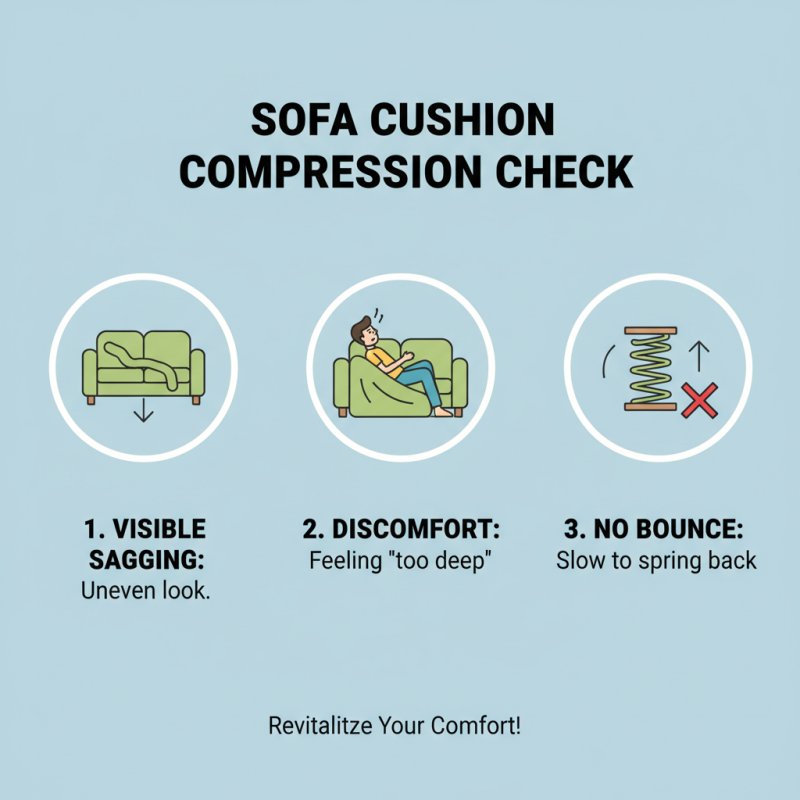
Identifying signs of compressed sofa cushions is crucial for maintaining comfort in your living room. One common indication is the noticeable sagging of cushions. When your sofa starts to look uneven, it's time for a check-up. Another sign is discomfort while sitting. If you feel like you’re sinking too deep, compression has likely occurred. Additionally, examine the bounce factor. Cushions should spring back quickly when you stand up. If they don’t, that’s a red flag.
Tips: Regular rotation of cushions can help prevent uneven wear. Use a soft brush to clean your cushions weekly. This can also promote airflow and maintain their shape.
Inspect the foam inside if you can. If it feels hard or flat, it might need replacing. Sometimes, adding a layer of padding can improve comfort. You don’t have to replace the whole sofa just yet. Some methods are DIY-friendly and can rejuvenate your cushions.
Don’t overlook these signs. Ignoring them can lead to worse problems down the line. Remember to check your sofa regularly for these signs of wear. A little attention can go a long way in ensuring lasting comfort.
Tools and Materials Needed for Cushion Repair
When your sofa cushions start to feel compressed, repairing them can improve comfort significantly. The right tools and materials are crucial for effective cushion repair.
A good quality staple gun is essential. It helps secure fabric tightly to the cushion. Use high-density foam for the best results. This type of foam reduces compression and provides better support. You might need a sewing kit for minor repairs on the cushion cover. Alternatively, fabric glue can be handy for quick fixes.
Many reports suggest that over 60% of homeowners experience cushion wear within three to five years. Regular maintenance and timely repairs can extend the lifespan of your furniture. Consider using down feathers or fiberfill to enhance comfort. These materials can be added for extra support, reducing that compressed feeling significantly.
**Tip:** Always check the cushion’s core before applying a new layer of foam. Sometimes, the core itself is too damaged. Repairing it might be more beneficial than just adding new foam. Keep an eye on the fabric wear, as it affects both aesthetics and durability. The investment in time and materials is often worth it.
How to Fix Compressed Sofa Cushions and Restore Comfort
This bar chart illustrates the estimated time in hours required for different methods of fixing compressed sofa cushions. From foam replacement taking the longest to simple DIY fixes, this visual representation can help you choose the best method for restoring comfort to your sofa.
Step-by-Step Process to Fluff and Restore Cushions
Over time, sofa cushions lose their firmness. They can look flat and uninviting. Restoring them is not just about aesthetics. It can greatly improve your comfort.
Start by removing the cushions from your sofa. Check for zippers; if they exist, unzip them. This allows you to access the stuffing inside easily. You might find that the filling has compressed. Fluffing the filling by hand can create a noticeable difference. It may take some time, but it’s worth it. If the stuffing is old, consider replacing it with fresh material for better support.
Next, a few minutes in the dryer can work wonders. Use a low heat setting and add a couple of clean tennis balls. They help break up any clumps in the filling. Keep a close eye to avoid overheating. It’s a trial and error process; getting it just right may need some patience. Lastly, reshape the cushions back to their original form. This is a chance to reflect on your sofa's overall wear. A properly cared cushion can bring new life to your living space.
Alternative Methods for Long-Term Cushion Maintenance
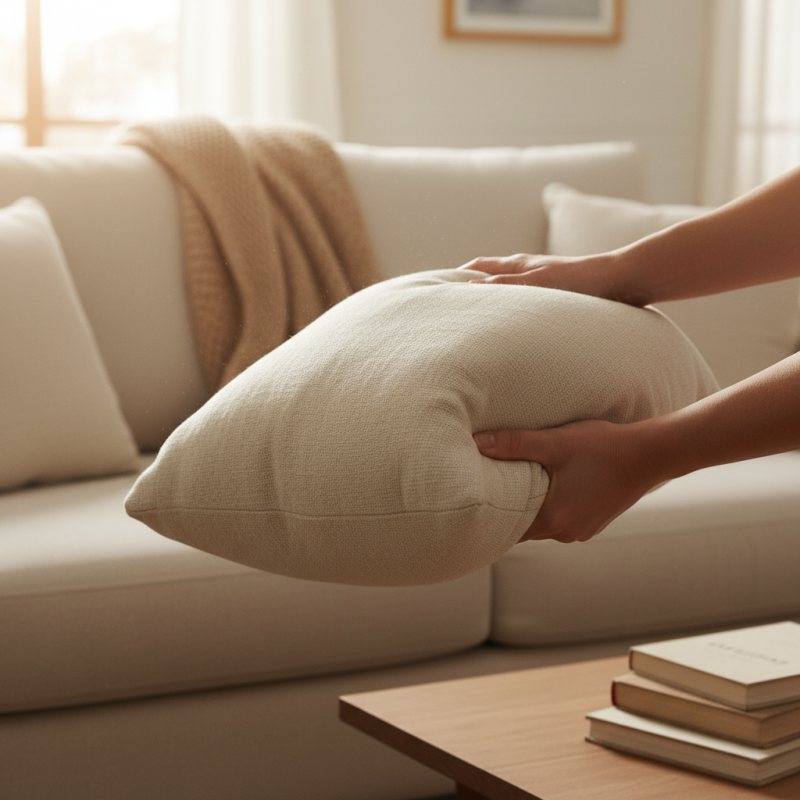
Maintaining sofa cushions can be challenging. Over time, they may lose their shape and comfort. To prevent this, regular fluffing is essential. Fluff cushions daily to help redistributing the filling evenly. This practice extends their life and ensures comfort.
Another method is to rotate cushions regularly. Switching their positions can avoid uneven wear. It’s a simple step that can lead to noticeable improvement. Additionally, consider using cushion covers. These can protect against stains and wear. They are often easier to clean than the cushions themselves.
Sometimes, DIY interventions are necessary. Adding extra stuffing may restore firmness. However, finding the right type can be tricky. Not all materials will suit every cushion. Be cautious with heating methods, as they may warp or damage cushions. Each solution may have its risks. Experiment, and observe what works best for your sofa’s needs.
How to Fix Compressed Sofa Cushions and Restore Comfort? - Alternative Methods for Long-Term Cushion Maintenance
| Method |
Materials Needed |
Process Overview |
Effectiveness |
Estimated Time |
| Fluffing |
Hands or Pillow Fluffer |
Manipulate the cushion with hands or fluffer to redistribute filling. |
High |
5-10 minutes |
| Re-stuffing |
Polyester Fiberfill or Foam |
Open the cushion cover and add new filling as needed. |
Very High |
30-60 minutes |
| Using a Vacuum |
Vacuum Cleaner with Upholstery Attachment |
Suction can help remove dust and fluff up the cushions. |
Moderate |
15-20 minutes |
| Steam Treatment |
Garment Steamer |
Lightly steam the cushions to help restore shape and texture. |
High |
10-15 minutes |
| Rotating Cushions |
None |
Regularly rotate cushions to ensure even wear. |
Moderate |
Ongoing |
Tips for Maintaining Sofa Cushion Comfort Over Time
Maintaining sofa cushion comfort is key to a cozy living space. Over time, cushions can compress and lose their shape. According to a report by Sleep Foundation, an average sofa is used for about 7 hours daily. This can lead to wear and tear, causing discomfort.
One useful tip is to rotate and flip cushions regularly. This helps distribute weight evenly and prevents specific areas from sagging. Aim to do this every couple of weeks. Another approach is to use cushion inserts made of high-resiliency foam. This foam tends to recover its shape better than standard materials, providing a more lasting comfort.
Cleaning your cushions is also important. Dirt and oils can contribute to wear. Use a gentle fabric cleaner to maintain the upholstery. Regular vacuuming can remove debris before it settles in. Use the upholstery attachment to gently clean every part.
Lastly, consider investing in cushion covers. They protect against spills and stains. This simple step can significantly extend the life of your cushions, ensuring they remain comfortable for years. Keep in mind that comfort requires effort and awareness. Taking small steps can make a big difference in your seating experience.