How to Choose the Best Apartment Couch?
Choosing an Apartment Couch is less about finding the largest sofa and more about understanding how your room works. Measure the doorway, elevator, and intended space before browsing. A couch that looks compact online may still block a narrow hallway or crowd the path to a balcony. Leave room to walk.
Interior designer Nate Berkus has said, “Your home should tell the story of who you are, and be a collection of what you love.” That idea applies to a sofa, too: it should suit your daily habits, not just a staged photograph. Do you eat dinner on the couch, host friends, or stretch out with a book? These details help determine the right depth, fabric, and layout. A firm seat can make conversation easier; a chaise may be more comfortable for lounging, but it needs extra floor space.
Small details matter. Check removable cushion covers, frame construction, and the fabric’s care instructions. Compare the listed dimensions with masking tape on your floor. Then sit on a similar model if possible. Looks can deceive.
There may be trade-offs. A sleek, low-profile couch can make a small room feel open, yet offer less support for some people. A sleeper adds flexibility, but its mechanism and mattress take up space. The best Apartment Couch balances comfort, scale, durability, and budget—and leaves enough room for everyday life.
Assess Your Apartment’s Space and Seating Needs
How to Choose the Best Apartment Couch?
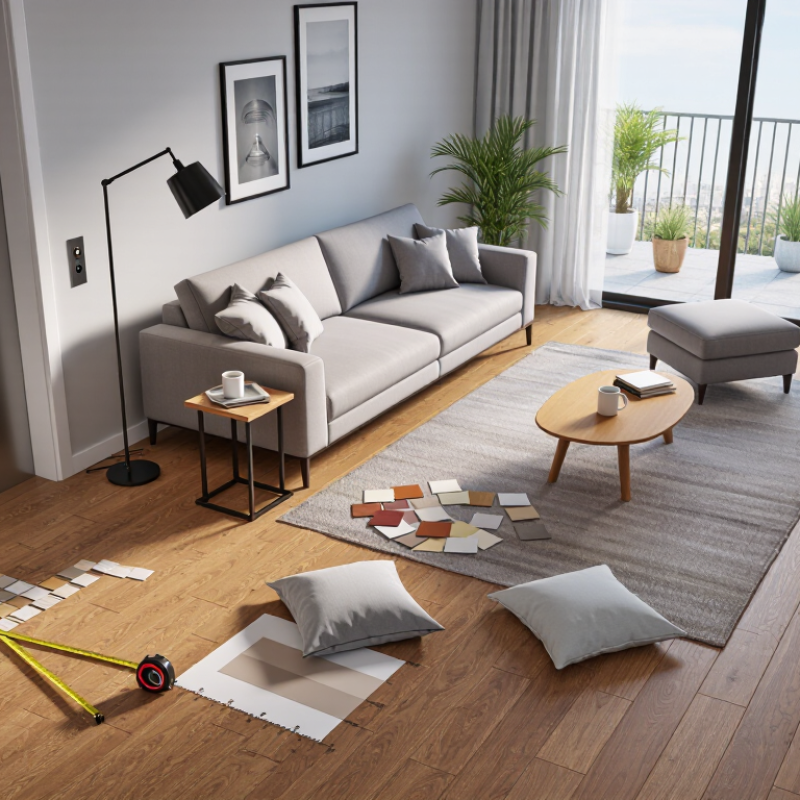
Assess your apartment’s space before comparing colors, fabrics, or designs. Measure the room’s length, width, and ceiling height. Record doorways, stair turns, elevators, and narrow hallways. A couch may fit the living room but fail at the entrance. Leave at least 30 inches for comfortable walking paths. Keep the couch away from heating vents and doors that swing inward. In my experience, marking the couch’s outline with painter’s tape reveals problems quickly. It also shows whether a coffee table would make movement awkward. Measurements can still mislead.
Tips: Sit in your usual position and check your knees, lower back, and arm support. A compact couch should not force everyone into one posture. Choose a seat depth that matches your body, not just the room’s appearance. If guests visit often, consider a movable ottoman or a small accent chair. Test the cushions for firmness and recovery. Soft cushions feel inviting, but they may lose shape sooner with daily use. Ask about removable covers and cleaning instructions. Real apartment living includes spills, pet hair, and rushed maintenance.
Your seating needs should guide the final size. Count regular users, occasional guests, and activities such as reading or working. A two-seat couch may suit one person, while a deeper model can waste valuable floor space. Measure the furniture already in the room. Balance matters. Leave enough open floor for stretching, cleaning, and carrying groceries. I once underestimated armrest width, and the couch felt much larger than expected. That small detail changed the entire room.
How to Choose the Best Apartment Couch? - Assess Your Apartment’s Space and Seating Needs
| Apartment Profile |
Living Room Size |
Recommended Couch Width |
Recommended Depth |
Comfortable Seating |
Clearance Target |
Best Configuration |
Key Consideration |
| Micro-apartment |
Up to 150 sq. ft. / 14 m² |
55–70 in. / 140–178 cm |
30–34 in. / 76–86 cm |
1–2 adults |
24–30 in. / 61–76 cm in front |
Compact two-seat sofa or loveseat |
Choose exposed legs and a shallow frame to preserve visual space. |
| Small one-bedroom |
150–220 sq. ft. / 14–20 m² |
65–78 in. / 165–198 cm |
32–36 in. / 81–91 cm |
2–3 adults |
30–36 in. / 76–91 cm around walkways |
Apartment-size three-seat sofa |
Measure the sofa wall and leave room for an end table or floor lamp. |
| Standard one-bedroom |
220–300 sq. ft. / 20–28 m² |
75–88 in. / 191–224 cm |
34–38 in. / 86–97 cm |
3 adults |
30–36 in. / 76–91 cm for circulation |
Standard three-seat sofa or compact chaise |
A chaise works best when its extension does not block the main walkway. |
| Shared apartment |
250–350 sq. ft. / 23–33 m² |
78–92 in. / 198–234 cm |
34–40 in. / 86–102 cm |
3–4 adults |
36 in. / 91 cm on primary paths |
Three-seat sofa with movable accent chair |
Separate seating pieces are easier to rearrange and share. |
| Family apartment |
300–450 sq. ft. / 28–42 m² |
84–100 in. / 213–254 cm |
36–40 in. / 91–102 cm |
4–5 adults |
36–42 in. / 91–107 cm around furniture |
Sofa with ottoman or compact sectional |
Prioritize durable, removable upholstery if children or pets use the room. |
| Entertainment-focused space |
250–400 sq. ft. / 23–37 m² |
80–96 in. / 203–244 cm |
36–42 in. / 91–107 cm |
3–5 adults |
TV viewing distance: about 1.5–2.5 times screen diagonal |
Sofa with chaise or apartment-size sectional |
Confirm that the chaise does not interfere with doors, windows, or vents. |
Measurement checklist: Record the room length and width, doorway and elevator dimensions, stair turns, radiator or vent locations, wall outlets, and the desired walking paths before selecting a couch. The couch should fit through the building access route and leave at least 30–36 inches (76–91 cm) for the main circulation path whenever possible.
Compare Couch Sizes, Shapes, and Configurations
Apartment couches succeed through proportion, not decoration. The National Association of Home Builders’ 2023 buyer study reported a preferred median home size of 2,067 square feet. Apartments are usually far smaller, so copying suburban furniture plans can quickly block movement.
Measure the room, doorway, lift, and stair turns before shopping. Leave about 30 to 36 inches for a comfortable walking route. A 72-inch loveseat often suits a narrow living room better than a 90-inch sofa. For very compact spaces, choose a straight two-seat couch with raised legs. It keeps the floor visually open. A corner sofa adds seating, but its fixed angle can waste a difficult corner.
Shape should follow your room’s traffic pattern. Use an L-shaped configuration when one wall can support the long side. Select a chaise only when nobody needs to walk across it. A modular design offers flexibility, especially in rented homes. However, extra pieces can drift apart and reduce usable seating.
The U.S. Census Bureau’s 2023 American Housing Survey describes the median renter-occupied home as having roughly five rooms. That figure is a useful warning, not a precise furniture formula. Room layouts vary widely. I once overestimated a couch by only four inches, yet the cabinet door could no longer open fully. A paper outline on the floor would have exposed the mistake. Compare the couch’s overall width, depth, seat height, and configuration together. Comfort measurements matter more than a showroom impression.
Evaluate Comfort, Materials, and Durability
A good apartment couch should feel comfortable without swallowing the room.
Sit on it for ten minutes, not just a quick showroom test. Your feet should rest flat, while your knees stay slightly lower than your hips. Check the seat depth carefully. Deep cushions may look inviting, but they can strain shorter users. Firm foam usually offers better support, although softer fillings feel more relaxed at first. Cushions can soften over time. I learned that comfort needs regular checking, not a single impression.
Materials strongly influence durability.
Look for a sturdy frame made from kiln-dried hardwood or quality plywood. Avoid frames that twist or creak during a gentle movement test. High-density foam often keeps its shape longer than low-density filling. For busy apartments, tightly woven fabric can resist everyday abrasion and minor snags. Removable, washable covers are practical, but zippers and seams still need inspection. Ask for the fabric’s abrasion results, cleaning instructions, and weight rating. These details provide more reliable evidence than attractive sales language.
Tips:
Measure doorways, elevators, and corners before ordering. Leave space for walking. Choose replaceable cushions when possible. A modular design may help during moves, though extra joints can loosen. Check them carefully. Sit, stretch, and shift positions before deciding.
Choose a Style That Fits Your Layout
Choosing an apartment couch starts with the room, not the showroom. Measure the wall, doorway, elevator, and walking path before comparing fabrics or colors. A couch can fit the floor plan yet block a balcony door or make the entry feel cramped. Mark its full footprint with painter’s tape. Include the arm width and chaise depth. This simple test reveals awkward gaps early. In a narrow living room, a compact sofa with raised legs can preserve visual space and leave room for cleaning. If the room serves as a living area and workspace, choose a shape that keeps one clear route between zones. Measure twice. I once underestimated a corner angle and lost valuable desk space.
Let the layout guide the couch orientation. Place the longer side against the longest uninterrupted wall when circulation is limited. In an open plan, float the couch to define the living zone, but leave roughly 30 to 36 inches for comfortable passage. That distance may need adjustment around children, pets, or frequent guests. A chaise feels inviting, although it can interrupt movement near a doorway. A reversible chaise offers flexibility, but its connection may look less seamless. Modular seating adapts well to rental rooms and future moves. Still, extra pieces need storage space. Check sightlines from the entrance, television, windows, and work table. The best arrangement should feel easy to enter, sit, and leave. It may not look perfect from every angle. That is often a reasonable compromise in an apartment.
Check Your Budget, Delivery, and Building Access
Choosing an apartment couch starts with a realistic budget, not a showroom mood. The U.S. Bureau of Labor Statistics reported average annual household spending of roughly $2,000 on furniture and household equipment in its 2023 Consumer Expenditure Survey. A couch can consume much of that amount. Leave room for delivery, stair fees, assembly, and possible disposal charges. Measure your doorway, elevator, hallway turns, and wall space. A beautiful couch is useless if its boxed depth exceeds the lift.
Delivery needs closer attention than most shoppers expect. The 2023 American Community Survey from the U.S. Census Bureau indicates that renters occupy about 36% of U.S. housing units. Many live in shared-entry buildings with limited loading space. Ask for a delivery window, tracking updates, and the exact package dimensions. Confirm whether the crew carries furniture upstairs or stops at the entrance. Written details matter. Verbal promises can disappear.
Building access may be the real obstacle.
Contact the manager before ordering. Check loading rules, elevator reservations, parking permits, and weekend restrictions. Some buildings require proof of insurance from delivery workers. A narrow corridor may demand a vertical carry or partial assembly. Measure twice. I once trusted a floor plan and ignored a 90-degree landing; the couch had to be returned. That mistake also exposed a hidden return fee. The 2024 Last Mile Delivery Benchmark Report by Descartes identifies failed or difficult deliveries as a major cost pressure, so access planning protects both time and money. Still, reports describe averages, not your building. Inspect the route yourself.