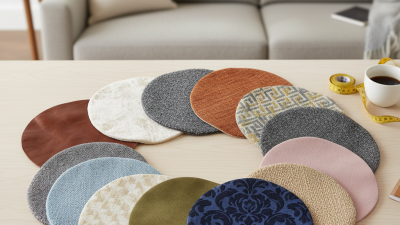
Buying a sofa across borders means judging more than color. Sofa Upholstery affects comfort, cleaning, durability, and how well a piece suits its destination. Photos can hide a loose seam or a fabric that feels rough against the hand. Ask for close-up images, fabric samples, and clear specifications before comparing quotes. Small details matter.
This guide’s illustrative upholstery adviser, Maya Bennett, offers a practical reminder: “A fabric sample tells you what a product photo cannot.” The line is a useful principle, not a verified quotation from a published expert. Check fiber content, weave, abrasion-test results, colorfastness, and cleaning instructions. Ask whether the stated performance applies to the finished fabric, not just its fiber. A velvet sample may look rich under showroom lights, then show pressure marks in a bright room. That is easy to overlook.
The ten tips ahead help global buyers compare upholstery choices, supplier details, and everyday care needs. Confirm dimensions, swatch availability, lead times, and packing requirements in writing. Regional climate and household use also matter; humid conditions, pets, and frequent seating can change what works best. There is no perfect fabric. A durable option may feel less soft, while a plush one may need more careful maintenance. Buyers should weigh those trade-offs against their own priorities, then keep a little room for uncertainty. Samples vary, and screens distort color.
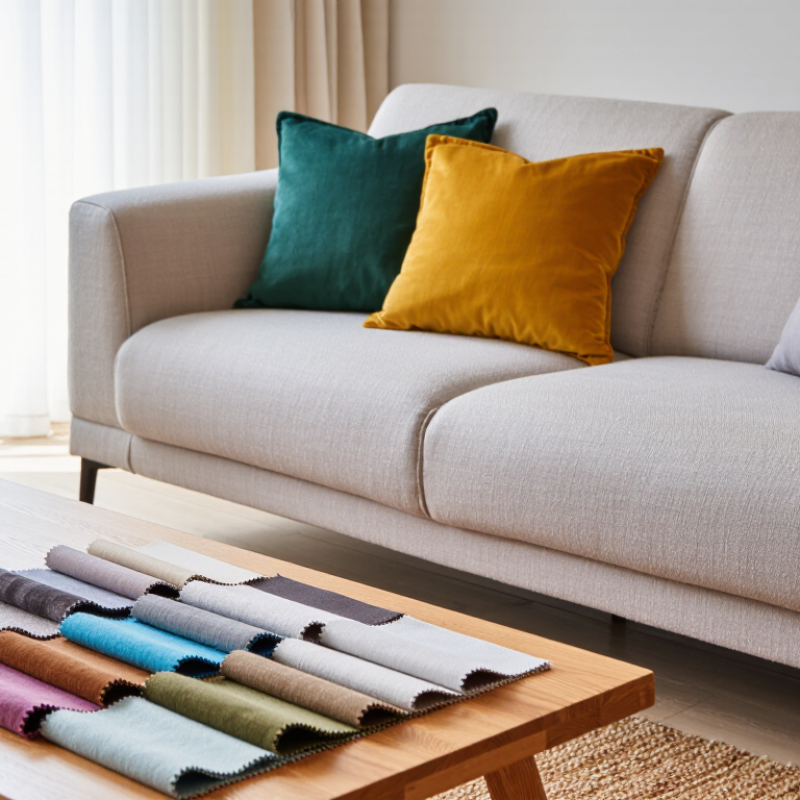
Upholstery affects comfort, appearance, cleaning, and how a sofa responds to daily use. Compare fiber content, weave, and care instructions rather than relying on a fabric name alone. Tight weaves can help limit snagging, while textured surfaces may show wear differently. Feel the sample. Rub it gently and inspect the reverse side for backing, loose threads, or uneven color. A small swatch cannot predict every room’s lighting or long-term wear, so treat it as a useful clue, not a guarantee.
Construction matters just as much. Ask what the frame is made from and how its joints are reinforced. Check whether seat support uses webbing, springs, or another system, and ask how cushions are filled. Foam density can affect support and shape retention, but comfort also depends on cushion depth and personal preference. Sit on a comparable model if possible. Details matter. Stitching should look even, with seams positioned away from likely stress points. For buyers shipping across climates, consider humidity, cleaning access, and whether replacement covers are available. These checks reduce surprises, though no specification sheet can fully capture how a sofa will feel at home.
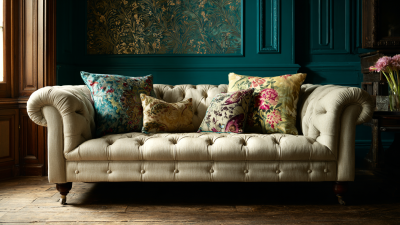
Climate is not a styling detail; it changes how upholstery feels and wears. In hot, humid rooms, tightly woven linen or cotton blends can feel cooler against the skin, though they may wrinkle and absorb spills. For damp coastal homes, consider solution-dyed acrylic or performance polyester, then check the care label and drying instructions. “Moisture-resistant” does not mean mildew-proof. Leave space between sofas and walls so air can circulate.
Usage matters just as much. For a family sofa used every evening, inspect seam strength, cleanability, and abrasion-test results—not just the fabric name. The Association for Contract Textiles lists 30,000 Wyzenbeek double rubs as a benchmark for high-traffic woven upholstery; the test is not a lifespan guarantee. Textile Exchange’s Materials Market Report 2024 estimates polyester represented 57% of global fiber production in 2023, reflecting its widespread use, not automatic suitability for every room. A sunny room may need fade-resistant fabric, while a pet-friendly space benefits from a tight weave that resists snagging. I would still request a swatch. The showroom light can mislead.
For global buyers, durability claims need context. The Association for Contract Textiles’ Performance Guidelines set 30,000 Wyzenbeek double rubs as a benchmark for woven contract upholstery. This is a useful screening figure, not a lifespan promise. Ask for the test method, fabric composition, and results for the exact upholstery being quoted. Seams, piping, and cushion edges can wear before a fabric reaches its tested abrasion limit. Easy to overlook.
Maintenance affects real-world durability. Request the maker’s cleaning instructions and check whether they match your staff, household, or local cleaning services. Vacuuming with a soft brush removes grit that can abrade fibers; blot spills rather than rubbing them deeper. Test cleaners on a hidden area first. I would not rely on a stain-resistant label alone: it does not explain how the fabric performs after repeated cleaning or sunlight exposure.
Safety documentation also deserves close review. In the United States, CPSC Technical Bulletin 117-2013 sets smolder-resistance test methods for materials used in upholstered furniture. Buyers should ask for current test documentation tied to the specified materials, not assume one fabric certificate covers every cushion construction. Requirements differ across markets, so confirm applicable local standards before ordering. A neat-looking certificate is not enough.
Before approving sofa upholstery, confirm color with physical swatches under different lighting. A warm gray may look beige beside a window, then blue beneath warehouse LEDs. Color names alone are unreliable. Ask the supplier to record the fabric code, dye lot, and finish on the quotation and sample label. For repeat orders, compare new production with the retained approved swatch, not an old photo. Screens distort tone. Keep it physical.
Measure more than the sofa’s overall width. Request finished dimensions for the seat, back, arms, and skirt, plus the acceptable tolerance range. Check whether measurements refer to the frame or the upholstered outer surface. Fabric stretch and foam compression can affect the final fit. For a sectional, label each module and orientation on a simple drawing. Left and right can be reversed depending on the viewpoint. That mistake is common.
Specify sample details in writing: fiber content, weave, weight, abrasion-test method, cleaning instructions, and any backing or coating. Request a sewn sample with seams and piping, not just a flat cutting. Inspect it beside the intended wood or metal finish. Keep one approved sample in a sealed, dated bag, since humidity may affect natural fibers. We sometimes over-specify, then miss one small seam detail. Ask for confirmation before bulk cutting.
Comparing Suppliers, Shipping Terms, and After-Sales Support
Compare upholstery suppliers using the same written specification. State the fabric composition, color reference, abrasion-test method, seam details, and cushion dimensions. Ask for a physical swatch and a finished sample when order volume justifies the cost. Photos can hide texture and color shifts. They are not enough. Check whether the quoted price includes packaging, inspection, and replacement materials for defects. Request recent references or documented quality records, but verify details rather than relying on polished claims.
Tip: Put shipping terms in writing. Confirm who books freight, pays each transport charge, arranges insurance, and handles import documents. Compare quotes on the same delivery basis; a low factory price may exclude costly inland transport or port fees. Ask for carton dimensions, gross weight, loading plans, and estimated production dates. Build in time for inspection and transit delays. Schedules slip sometimes. I would not treat a supplier’s estimated arrival date as a guarantee.
Before paying a deposit, agree on how claims will be handled. Specify the evidence required for damage reports, the reporting window, repair or replacement options, and responsibility for return freight. Ask which upholstery components can be sourced later, such as matching fabric or removable cushion covers. Keep approved swatches, sample photos, and signed specifications together. A small mismatch can become a costly dispute. I have seen buyers overlook after-sales response times; ask who answers claims and how quickly, then record the answer in the purchase agreement.