Plush Couch Tips for Choosing the Perfect Sofa?
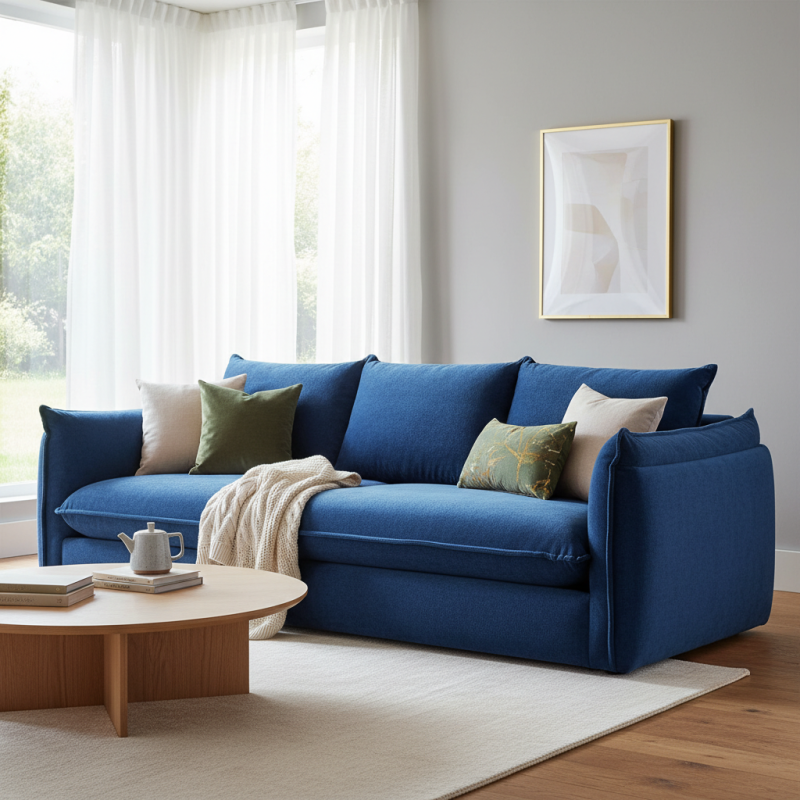
Choosing the right sofa can be daunting. A Plush Couch stands out in comfort and style. It draws you in, inviting you to relax.
When selecting a Plush Couch, consider your space. Measure the area to ensure a good fit. Think about the color and fabric. A bright hue might bring energy, while a neutral shade offers versatility. Don't forget to assess quality. A well-made couch lasts longer.
You might feel overwhelmed by options. Choices can lead to second-guessing. It’s natural to worry about what works best for your home. Remember, a Plush Couch is an investment in comfort. Take the time needed to reflect on your preferences.
Understanding Your Space Requirements for a Plush Couch
When choosing a plush couch, understanding your space is critical. Living rooms are often the heart of the home. According to a recent industry report, 75% of homeowners identify their living space as a place for family gatherings. This underscores the need for a couch that fits well in your area.
Measure your space before making any decisions. Consider the dimensions of your room. A large couch in a small area can make the space feel cramped.
The layout is equally important. Think about traffic flow. Ensure that you can walk comfortably around the couch. Reports show that 65% of individuals regret purchasing sofas that disrupt their room’s function. You might want an oversized plush couch, but it may not work in an intimate setting.
Also, keep in mind that harsh lighting can affect how a couch’s color appears in your space. Test how different shades look under various light conditions.
Finally, consider the couch’s purpose. If you entertain often, a robust and easy-to-clean fabric is essential. On the other hand, if you want a snug reading corner, a softer, more delicate couch might be more fitting.
Reflect on these factors as you envision your ideal setup.
Choosing the Right Fabric for Comfort and Durability
When selecting a sofa, the choice of fabric is crucial. A good fabric can enhance comfort and ensure durability. According to a 2022 report by the Furniture Institute, 70% of consumers prioritize fabric quality when shopping for sofas. This statistic highlights the importance of making informed decisions about materials.
Natural fabrics, like cotton and linen, are breathable and soft. However, they often stain easily, making them less suitable for families with young kids or pets. Synthetic fabrics, such as microfiber and polyester, resist stains better. They can be easily cleaned, but some people find them less comfortable.
Consider your lifestyle and how you use your sofa daily.
Durability is another key factor. A durability report from the American Furniture Manufacturers Association notes that sofas upholstered in tightly woven fabrics typically last longer. It's essential to weigh the pros and cons of each option. Sometimes, cheaper fabrics lead to quicker wear and tear. A sofa should last for years, so choosing wisely pays off in the long run.
Evaluating Sofa Styles and Configurations for Your Home
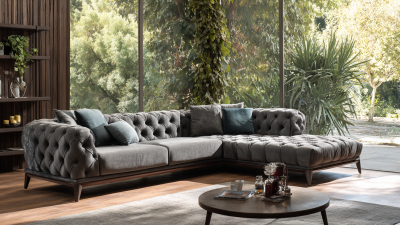
When evaluating sofa styles for your home, consider your space first. A sectional might work wonders in a larger area, providing ample seating. On the other hand, a sleek loveseat can fit well in cozy nooks. Visualizing your layout is crucial. Draw out your living space on paper. It helps to see what works.
Colors and textures play a big role too. Neutral tones offer flexibility, but a bold color can be a showstopper. Feel the fabric samples. Some materials attract pet hair, while others are easier to clean. Think about the practical issues. It’s essential to balance aesthetics with functionality. Do you really want a white couch with kids around?
Configurations should cater to your lifestyle. Do you entertain often? A sofa that encourages conversation could be key. If you prefer solitude, a corner piece might suit you better. Also, consider potential rearrangements. Will your choices still look good in a few years? It’s a puzzle worth solving. Little details can make a big difference.
Considering Color and Aesthetic to Match Your Interior Design
When choosing a sofa, color and aesthetic significantly impact your space. A recent industry report found that 85% of consumers prioritize color when making their choices. This statistic highlights the importance of selecting hues that align with your interior design.
Consider the overall scheme of your room. Warm tones like reds and yellows create a cozy feel, while cooler colors, such as blues and greens, evoke calmness. Neutral shades offer versatility but can appear dull when mismatched. Lighting also plays a crucial role; natural light can alter how colors are perceived throughout the day.
It’s crucial to test swatches in your space. Colors may look different in stores compared to your home. The goal is to create harmony. A mismatched sofa can disrupt the flow of an otherwise well-designed room. Reflect on your existing decor and choose a sofa that complements it, ensuring the final look feels intentional and cohesive.
Color Preferences for Sofa Choices
Setting a Budget and Finding Value in Plush Couches
Finding the perfect plush couch starts with setting
a realistic budget. Determine what you can afford. A plush sofa can vary widely in price. Consider how often
you will use it. Are you entertaining guests, or is it for cozy evenings? A lower price might mean sacrificing
comfort or durability.
Think about the value each option offers. Inspect the materials and craftsmanship. Some couches look inviting
but wear quickly. Sit on each one. Does it feel right? Cushion firmness matters. A plush sofa should be both
comfy and supportive.
Keep in mind that a plush couch is an investment.
You may feel drawn to the most stylish designs, but practicality is vital. Try visualizing how the couch fits with
your living space. Does it clash, or enhance? Sometimes, it’s easy to get carried away by trends. Reflect on your
needs and lifestyle carefully. Choose wisely.