Top 5 Tips for Choosing a Compressed Sofa for Your Space?
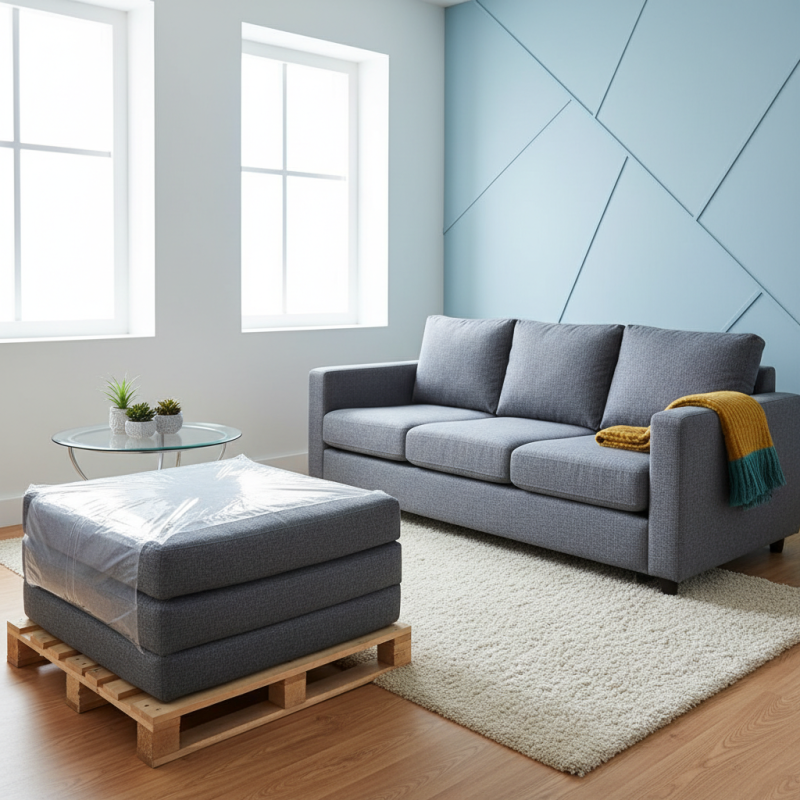
Choosing the right furniture can transform your living space. A Compressed Sofa is a smart choice for smaller rooms. Its compact design maximizes space without sacrificing comfort.
When selecting a Compressed Sofa, it's crucial to consider both style and function. Look for materials that are durable and easy to maintain. Think about how the sofa will fit with your existing decor. Does it blend well, or does it clash?
Remember, comfort is key. Test out different models to find the right balance of softness and support. While aesthetics matter, a beautiful sofa won't feel great if it's not comfortable. Reflect on how you'll use the sofa daily. Will it be for lounging, sleeping, or entertaining? A thoughtful selection leads to a more enjoyable living environment.
Understanding the Importance of Size in Compressed Sofa Selection
When selecting a compressed sofa, size plays a pivotal role. A sofa that fits well in your space enhances both aesthetics and functionality. Measure your room’s dimensions carefully. Consider doorways and hallways too. A beautiful sofa can become a burden if it doesn't fit through entry points.
Start by visualizing the space. Pictures help, but physical measurements are more reliable. Ensure ample room for movement around the sofa. A cramped area can feel uncomfortable. Think about the sofa's depth and height in relation to existing furniture. An oversized piece in a small room can overwhelm the space.
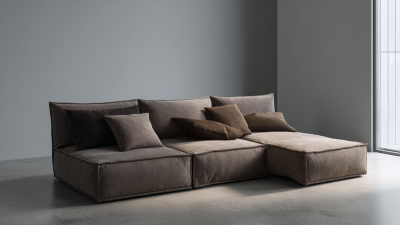
One important tip is to choose modular options. These allow flexibility in arrangement. You can reconfigure them to fit your space better. Aim for pieces that are not just visually appealing but practical in size. The right fit can transform even the smallest of rooms into cozy retreats. Reflect on your lifestyle. How often do you entertain guests? Choose wisely to balance style with comfort.
Evaluating Material Choices for Durability and Comfort
Choosing the right material for a compressed sofa is essential for both durability and comfort. Fabrics should resist wear and tear over time. For instance, polyester blends are known for their strength. They can withstand daily use while also being soft to touch. However, not all blends are created equal. Some may pill or fade quickly.
Natural fibers like cotton and linen provide a breathable option. They offer comfort but may not be as durable as synthetic fabrics. Cotton can stain easily, requiring regular maintenance. The choice you make impacts your long-term satisfaction with the sofa. Consider your lifestyle. If you have pets or kids, durability should be a priority.
Another factor is the sofa's foam. High-density foam offers excellent support and longevity. Lower-density options may feel softer initially but can sag over time. Testing the sofa can reveal its true comfort level. Sit, bounce, and stretch. Ensure it feels right for you. Finding the ideal balance between comfort and durability may take time, but it’s worth the effort.
Top 5 Tips for Choosing a Compressed Sofa for Your Space
| Material Type |
Durability (Years) |
Comfort Level |
Maintenance Level |
Price Range ($) |
| Leather |
10-15 |
High |
Medium |
800-2000 |
| Microfiber |
5-10 |
Medium |
Low |
300-800 |
| Cotton Blend |
5-7 |
Medium |
Medium |
400-900 |
| Performance Fabric |
7-12 |
High |
Low |
500-1200 |
| Velvet |
3-5 |
High |
Medium |
600-1400 |
Assessing Design Styles to Match Your Home's Aesthetic
When choosing a compressed sofa, understanding design styles is essential. Your home’s aesthetic should highlight your personal taste. Consider your existing decor. Is it modern, traditional, or eclectic? A stylish sofa can either blend in or stand out, depending on your preference.
Look at color palettes that resonate with your space. Soft neutrals give a serene vibe, while bold colors can energize a room. Patterns can add excitement but may require more thought. They might clash with existing elements. Choose wisely. The texture of the sofa is equally important. A soft fabric can invite comfort, while leather offers sophistication.
Remember to ponder dimensions and functionality. A bulky sofa can overwhelm a small room. On the other hand, a minimalist design might feel out of place in a cozy setting. Make sure that comfort meets your style. Test various options to ensure they reflect your vision. Your choices should resonate with your lifestyle, making your space both beautiful and practical.
Analyzing Space Optimization Strategies with Compressed Sofas
Choosing the right compressed sofa can significantly enhance space optimization strategies in your home. According to industry reports, compact sofas can create up to 30% more usable space in smaller living areas. This is particularly valuable in urban environments where square footage is limited. Using compression technology, these sofas provide comfort without sacrificing style. They can also fit into tight corners or small rooms.
When considering a compressed sofa, the layout of your space is crucial. Measure dimensions carefully. A survey by the National Association of Home Builders shows that living room designs are moving towards minimalism. This trend urges homeowners to rethink bulky furniture. Instead, opting for modular designs allows for adaptability. You can reconfigure them depending on your needs.
It's not just about the sofa’s size; it’s about how it integrates with your environment. Color, texture, and functionality play significant roles. Statistics reveal that well-designed spaces can boost productivity and reduce stress. A compressed sofa can contribute to an open, airy atmosphere. This can encourage better social interactions and relaxation. However, be cautious; poor choices can lead to a cluttered look. Always prioritize functionality over aesthetics.
Space Optimization with Compressed Sofas
Budget Considerations: Average Costs and Long-Term Investments
When considering a compressed sofa, budget plays a crucial role. On average, a quality compressed sofa can range from $500 to $3,000. For those seeking durability and comfort, an investment in the higher price range often proves worthwhile. According to the American Home Furnishings Alliance, furniture can degrade in quality over time. Spending more upfront can lead to better longevity and satisfaction.
Pay attention to materials and construction. Sofas made with high-density foam and durable fabrics may be pricier but potentially last longer. A report by Furniture Today indicates that, while initial costs may be higher, customers often save money in the long run from fewer replacements. Long-term investments in quality sofas can prevent ongoing expenses in the future.
Do consider your space and lifestyle needs too. If your living area is small, a well-chosen compressed sofa can maximize utility without compromising style. However, if you choose a low-cost option, be prepared for potential disappointment in comfort or lifespan. Remember, while looking for budget options, quality should not be overlooked. Balancing cost with quality is essential for a satisfying purchase.