2026 Top Compress Sofa Types for Global Buyers?
Global buyers are entering 2026 with stronger interest in space-saving, delivery-efficient furniture. Compress Sofa designs answer this demand with vacuum-packed bodies, roll-packed cushions, modular sections, and foldable frames. These formats can reduce carton volume, warehouse pressure, and last-mile handling. Yet compressed furniture is not automatically better. Recovery time, foam density, fabric tension, and frame durability still require careful inspection.
Fortune Business Insights valued the global sofa market at approximately USD 42.83 billion in 2023. Its report projects the market may reach USD 69.35 billion by 2032. Grand View Research also estimated the broader global furniture market at USD 516.6 billion in 2022. However, these reports cover conventional and compressed products together. They do not isolate the Compress Sofa segment. That limitation matters. Buyers should avoid treating broad market growth as proof of every compressed model’s quality.
Dieter Rams, a leading industrial design authority, said, “Good design is as little design as possible.” His principle fits compact sofas, where every centimeter must serve comfort, structure, or transport efficiency. In this guide, global buyers will compare sofa-in-a-box, vacuum-compressed foam, modular, recliner, and sleeper types. We will examine seat recovery, package dimensions, material performance, warranty terms, and regional shipping practicality. Some claims remain imperfect because suppliers report measurements differently. A sofa that expands quickly may still feel weak after six months. That uncomfortable detail deserves attention. The best 2026 choice will not simply be the smallest package. It will balance comfort, resilience, verified specifications, and honest after-sales support.
What Is a Compress Sofa and How Does It Work?
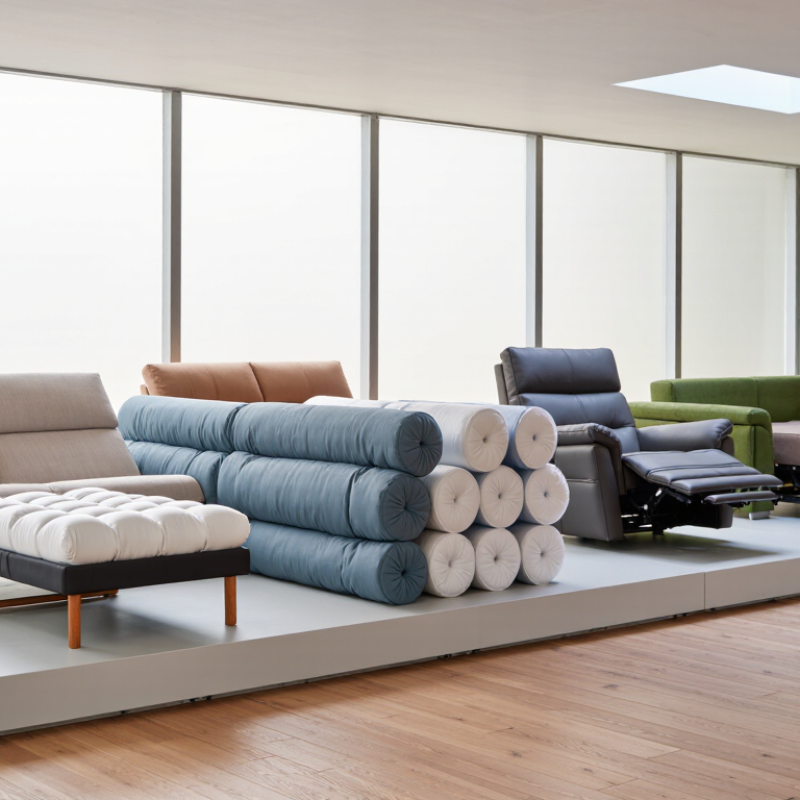
A compress sofa is designed to reduce its packed volume before shipping. Manufacturers usually combine flexible foam, removable covers, and sectional components. The sofa is placed in protective film, then compressed by industrial equipment. Air leaves the foam, while the package becomes smaller and easier to handle.
After unpacking, the foam gradually absorbs air and returns to its intended shape. This process may take several hours or a few days. Buyers should keep the package in a warm, ventilated room. A cold warehouse can slow recovery. Pressing the cushions gently can help, but forcing them may damage the internal structure.
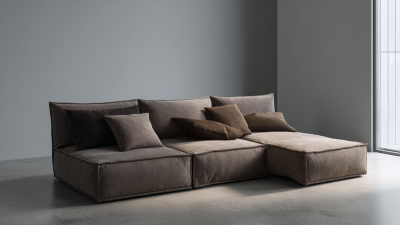
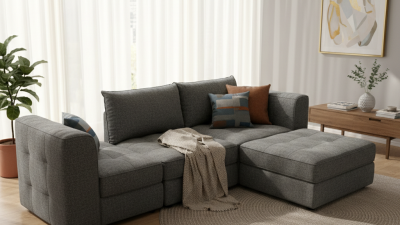
Common compress sofa types include modular sectionals, foam lounge sofas, sofa beds, and compact apartment models. Modular designs are useful for global buyers because separate pieces simplify delivery through narrow doors. Sofa beds need stronger hinges and denser foam, so their compressed size may be larger. From product inspections, I have found that recovery speed varies between materials and climates. I may be overly cautious, but a short setup video is not enough evidence. Buyers should request compression dimensions, expanded measurements, foam density, cover composition, and recovery-time testing. They should also check whether the frame remains stable after repeated sitting. A sofa can look full while still feeling uneven inside. That detail is easy to miss.
Main Compress Sofa Types Available in 2026
In 2026, compressed sofas mainly appear in four practical forms: roll-packed foam sofas, vacuum-compressed modular sofas, compressed sofa beds, and space-saving sectionals. Roll-packed models use layered foam and flexible covers. They arrive in compact cartons, then expand after opening. Modular designs use separate seats and backs, making stairs and narrow elevators easier to manage. Sofa beds add sleeping functions, but their hinges and frames require stricter testing.
Market data supports this logistics-driven trend. Grand View Research valued the global furniture market at about USD 766 billion in 2023, with a projected 5.9% CAGR from 2024 to 2030. However, this figure covers all furniture, not compressed sofas alone. That distinction matters. The Freedonia Group also identifies e-commerce and ready-to-assemble furniture as important demand drivers in the United States. Compressed seating benefits from both channels because smaller cartons can reduce storage and delivery pressure.
For global buyers, material choice should guide the purchase. High-density foam offers consistent recovery, while pocket springs improve support but increase carton weight. Modular sectionals suit apartments and rental properties. Sofa beds serve guest rooms, though comfort can be uneven. Check expansion time, foam density, cover durability, carton dimensions, and fire-safety documentation for the destination market. Some sellers describe every boxed sofa as “compressed,” which is not technically precise. A careful buyer should request compression images, test reports, and replacement-cover details before ordering.
How Global Buyers Can Compare Compress Sofa Features
For global buyers, comparing a compress sofa starts with recovery performance, not carton size. Ask how long the cushions need to regain their shape after opening. In my product checks, foam that expands quickly can still feel uneven near the edges. Measure seat height, depth, and arm width after 48 hours. Record those figures. Packaging photos alone can mislead. A smaller package may contain thinner padding or fewer structural parts. That difference matters during daily use.
Compare foam density, firmness, and support separately. Density suggests durability, while firmness describes immediate comfort. They are not the same. Check the frame material, joint design, and weight capacity in technical documents. A sturdy-looking base is not enough. Ask for test methods, sample results, and acceptable tolerances. Cover fabric should resist abrasion, pilling, and color transfer, especially during humid storage. Removable covers simplify cleaning, but zippers and seams need inspection. Small details often fail first.
Global conditions require a broader comparison. Confirm compressed dimensions, gross weight, carton strength, moisture protection, and replacement-part availability. Verify measurements in the units your warehouse uses. Ask whether the sofa fits local doors, lifts, and room layouts after expansion. Safety documentation should match the destination market, rather than relying on a generic certificate. I would also test one sample for two weeks before placing a larger order. One sample is not perfect evidence, but skipping it creates a costly blind spot. Record minor wrinkles honestly, including those that do not disappear.