Leave Your Message

How to Choose the Best Apartment Couch for Small Spaces?

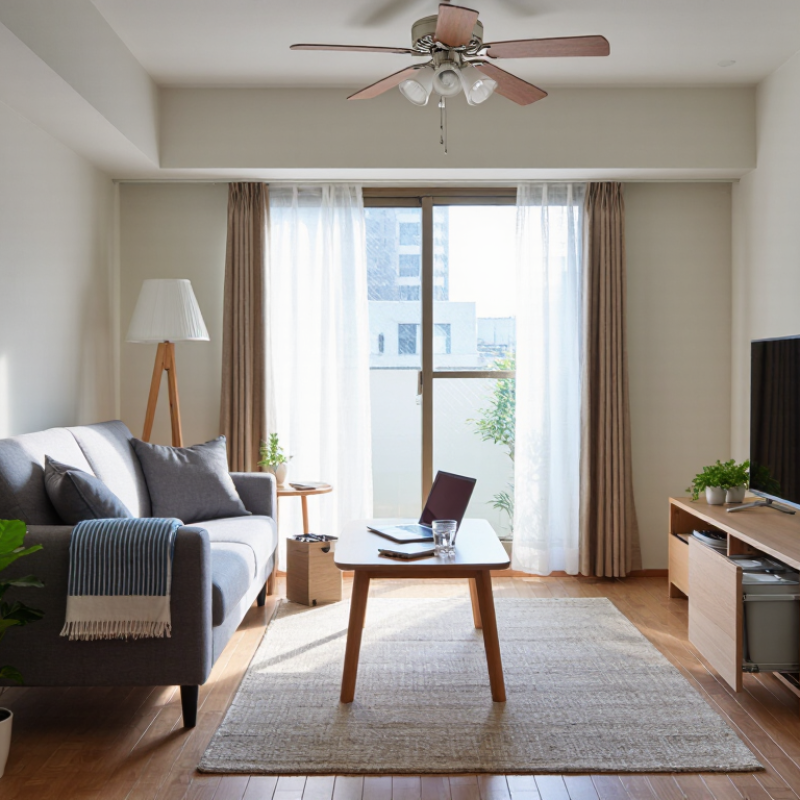
Choosing the right Apartment Couch for a small space requires more than trusting attractive showroom photos. A compact sofa must fit the room, doorway, elevator, and daily routine. Measure the wall, entrance, and walking paths before browsing. Leave enough clearance for cabinet doors and natural movement. A difference of two inches can change everything.

Seat depth matters, especially in narrow living rooms. Deeper cushions may feel luxurious, but they can consume valuable floor space. A firm, medium-height seat often supports easier sitting and standing. Removable covers help with cleaning, while tightly woven fabric can resist everyday wear. Check the frame, joints, cushion support, and warranty instead of judging appearance alone. These details reveal more than a polished product description.

A useful test involves sitting upright, stretching your legs, and opening nearby drawers. Try this in the store, if possible. Online measurements are useful, but they cannot show comfort or cushion softness accurately. Modular designs offer flexibility when furniture must pass through tight corners. However, extra sections may create awkward gaps or higher costs. There is no perfect choice. A sofa-bed can save space, yet its mechanism may reduce seating comfort. Some compact couches look efficient but feel cramped after an hour.

This guide examines practical dimensions, materials, layouts, and comfort factors. It also considers delivery risks and long-term maintenance. Careful comparison creates a more reliable decision, even when compromises remain.
How to Choose the Best Apartment Couch for Small Spaces?

Define Your Space, Layout, and Couch-Use Requirements

How to Choose the Best Apartment Couch for Small Spaces?

Define your space before browsing couch styles. Measure the wall, doorway, elevator, and stair turns. A couch that fits the room may not enter the building. Mark its full footprint with painter’s tape. Leave about 30 inches for comfortable walking paths. Check windows, radiators, outlets, and cabinet doors. These details often decide the layout.

Your daily habits should guide the couch choice. Do you sit upright, stretch out, nap, host guests, or work there? A deeper seat may suit lounging, but it can make a narrow room feel crowded. If you read often, test the back support and arm height. If children or pets use the couch, choose durable, cleanable fabric. Measure the seat, not only the outside frame.

I once chose a compact couch with wide arms and lost useful seating space. It looked elegant, but two people felt cramped. That mistake changed how I compare dimensions. Look for a slim frame, practical seat depth, and removable cushions when possible. Modular pieces can help with tight entrances, although connectors may loosen over time. Sit for at least ten minutes before deciding. Short tests can hide long-term discomfort. Consider how the couch works with your coffee table, storage, lighting, and future furniture changes.
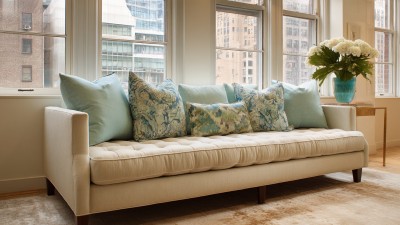
Measure Doorways, Walls, and Available Floor Area

How to Choose the Best Apartment Couch for Small Spaces?

Measure the route before judging the couch. Record the apartment entry door’s clear width, not the frame width. The 2010 ADA Standards identify 32 inches as a minimum clear doorway width for accessible passage. Your building may provide less usable space after hinges and trim. Measure the elevator, hallway turns, and stair landing too. A 78-inch sofa can fail at a tight 90-degree corner. Sketch the route on paper. It exposes awkward angles quickly.

Measure each wall from corner to corner, then mark radiators, outlets, windows, and baseboards. Leave about 30 to 36 inches for a comfortable walking path, using common residential circulation guidance.

The National Association of Home Builders’ 2024 buyer-preference report places the desired home size near 2,067 square feet, but apartments are usually far smaller. That makes every inch more important. Do not copy large-home furniture plans blindly.

Use painter’s tape to outline the sofa on the floor. Include its full depth, legs, and any reclining movement. Keep roughly 16 to 18 inches between the sofa and coffee table when possible. I would also measure the floor area twice, because the first reading often ignores a door swing. A 72-inch loveseat may look efficient, yet its deep 40-inch profile can consume more usable space than a longer, shallower model. Leave a small visual buffer near walls; cramped furniture can make a room feel smaller.

Compare Couch Types, Dimensions, and Space-Saving Features

Choosing an apartment couch begins with comparing its form, not its fabric. A compact loveseat suits one or two people and usually leaves better walking space. A small sofa offers more seating but may feel bulky near a narrow doorway. Armless designs look lighter, while modular couches can adapt to changing layouts. However, modular pieces may separate or slide on smooth floors.

Measure the room, doorway, elevator, and stair turns before buying. Keep at least 24 inches for a comfortable walking path. For a tight living room, a couch around 65 to 75 inches wide often works well. Check the seat depth too. A deep seat can consume valuable floor space, especially beside a desk or dining table. I once measured only the wall and forgot the hallway turn. The couch fit the room, but delivery failed.

Tips: Choose raised legs for a more open visual effect and easier cleaning underneath. Look for removable cushions, storage compartments, or a sofa bed if one item must serve several purposes. Test the seat height before ordering; lower cushions may feel stylish but can become tiring daily. Leave several inches from the wall when possible, because ventilation and cleaning are easily overlooked. Avoid choosing solely by measurements. Sit, recline, and imagine carrying laundry around it.

Evaluate Comfort, Durability, Materials, and Maintenance

How to Choose the Best Apartment Couch for Small Spaces?

A small apartment couch must feel comfortable without overwhelming the room. Sit for at least ten minutes before buying. Notice whether your lower back feels supported and whether your knees bend naturally. Firm cushions usually keep their shape longer, but very firm seating can feel tiring during evening use. I once chose a stylish couch with shallow cushions. It looked perfect, yet my back disagreed after a week.

Durability depends on the frame, joints, suspension, and fabric. Kiln-dried hardwood frames generally resist warping better than weaker materials. Check that the legs feel stable and the frame does not twist when you sit down. Tight-weave polyester or performance fabric can handle frequent use and small spills. Leather-like surfaces wipe easily, but they may feel sticky in warm rooms. Removable cushion covers are useful, although zippers can weaken over time. Nothing stays perfect.

Tips: Measure doorways, elevators, and walking paths before ordering. Leave several inches behind the couch if ventilation requires it. Test the cleaning instructions with a hidden area first. Vacuum weekly, blot spills quickly, and avoid soaking the cushions. A couch with replaceable covers may cost more initially, but it can reduce future waste. Check the warranty carefully, especially for frame and cushion defects. Between comfort and appearance, comfort deserves the final vote.

How to Choose the Best Apartment Couch for Small Spaces? - Evaluate Comfort, Durability, Materials, and Maintenance

Couch Type Typical Width Comfort Profile Small-Space Advantages Frame and Support Common Upholstery Materials Durability Maintenance Needs Best Use Case
Apartment Sofa 68–80 in (173–203 cm) ★★★★☆ Balanced seating with room for two to three adults Offers full sofa comfort while using less floor space than a standard full-size sofa. Look for a kiln-dried hardwood or reinforced engineered-wood frame, sinuous springs, and high-resilience foam cushions. Performance polyester, tightly woven fabric, leather, or tightly bonded synthetic upholstery. ★★★★☆ Usually 7–15 years with quality construction and regular care Vacuum weekly; rotate and fluff loose cushions; clean spills promptly according to the upholstery code. Everyday seating in a studio, one-bedroom apartment, or compact living room.
Loveseat 48–65 in (122–165 cm) ★★★★☆ Comfortable for two, but less room to stretch out Fits narrow walls and leaves more clearance for a coffee table, walkway, or storage cabinet. A sturdy frame, reinforced corner blocks, and supportive foam or pocket-coil seating help prevent premature sagging. Polyester blends, microfiber, linen blends, or removable cotton-blend covers. ★★★☆☆ Approximately 5–12 years, depending on frame and cushion quality Easy to maintain when cushions are removable; avoid excessive moisture on foam and fabric. Small rooms, guest areas, reading corners, or homes that need a compact primary sofa.
Apartment Sofa Bed 68–80 in (173–203 cm) ★★★☆☆ Good sitting comfort; sleeping comfort varies by mattress design Combines seating and guest accommodation without requiring a separate bed. Choose a steel or reinforced hardwood mechanism, stable locking hardware, and a mattress at least 4–5 in thick for occasional use. Woven polyester, microfiber, performance fabric, or leather-look synthetic material. ★★★☆☆ About 5–10 years; the mechanism receives the most wear Keep the mechanism free of debris; open and close it carefully; vacuum the mattress and upholstery regularly. Studios or apartments that occasionally host overnight guests.
Armless Sofa 55–75 in (140–191 cm) ★★★☆☆ Open, flexible seating with less side support Uses less visual and physical space and can be placed against a wall or beneath a window. Prioritize a rigid frame, firm seat deck, and non-slip feet because the arms provide less structural reinforcement. Polyester, wool blends, cotton blends, or removable stretch covers. ★★★☆☆ Approximately 5–10 years with proper support Check for cushion movement, vacuum seams, and use a washable cover when pets or children are present. Minimalist interiors, modular layouts, narrow rooms, and flexible furniture arrangements.
Compact Sectional 78–100 in (198–254 cm) per overall arrangement ★★★★★ Excellent lounging comfort when proportions are suitable Creates a defined seating zone and can provide a chaise without adding a separate ottoman. Use interlocking connectors, a reinforced frame, durable suspension, and cushions with medium-firm high-resilience foam. Performance polyester, tightly woven olefin, microfiber, or top-grain leather. ★★★★☆ Commonly 7–15 years; connectors and corner joints need attention Measure all doorways first; vacuum corners and under cushions; rotate cushions to distribute wear. Open-plan apartments where a corner layout improves seating without blocking circulation.
Futons and Daybeds 55–75 in (140–191 cm) ★★★☆☆ Firm, versatile comfort; generally less plush than a conventional sofa Often has a slim profile and can convert between seating and sleeping positions. A solid wood or metal base with reliable hinges and a dense, evenly supported mattress is preferable. Cotton blends, polyester, canvas, microfiber, or removable quilted covers. ★★★☆☆ Approximately 4–10 years, depending on mattress compression Rotate or fold the mattress as directed; air it periodically and wash removable covers according to instructions. Very small apartments, multipurpose rooms, home offices, and occasional sleeping arrangements.
Leather Apartment Sofa 68–80 in (173–203 cm) ★★★★☆ Supportive and smooth; feel changes with temperature and leather thickness A streamlined silhouette can make a compact room feel less visually crowded. Solid hardwood or reinforced engineered-wood frame, resilient suspension, and protected seams improve long-term performance. Full-grain, corrected-grain, or durable synthetic leather; material quality varies substantially. ★★★★☆ Often 10–20 years when genuine leather is well maintained Dust weekly, wipe spills quickly, and condition genuine leather periodically; keep away from direct heat and strong sunlight. Homes seeking easy wipe-clean care and a long service life.
Performance-Fabric Sofa 68–80 in (173–203 cm) ★★★★☆ Comfort depends mainly on cushion fill and suspension Provides more design choices than leather while offering improved resistance to everyday spills and abrasion. Choose a kiln-dried or reinforced frame, strong suspension, and replaceable seat cushions. Solution-dyed polyester, olefin, acrylic blends, or tightly woven treated fabrics. ★★★★☆ Approximately 7–15 years with suitable construction Vacuum regularly; blot rather than rub stains; follow the manufacturer’s cleaning code and test products in an unseen area. Homes with pets, children, frequent visitors, or a high-traffic living area.

Practical measurement tip: Before purchasing, measure the room, doorway, elevator, stairwell, and the intended walking path. Leave approximately 30–36 in (76–91 cm) for comfortable main walkways whenever possible.

Choose the Best Couch Based on Budget and Apartment Needs

For a small apartment, the best couch is not the largest one you can afford. It should match your budget, room layout, and daily habits. Measure the doorway, elevator, hallway, and available floor space before shopping. Leave enough room for walking around the couch. Masking tape on the floor can reveal whether the size feels comfortable.

Set a complete budget, not only a furniture price. Include delivery, assembly, protective covers, and possible return fees. A practical target is keeping a small reserve for unexpected costs. I once underestimated a narrow stairwell and paid for extra delivery help. That mistake changed how I plan purchases. A cheaper couch may also cost more if its fabric wears quickly or its cushions lose shape.

Think about how you use the apartment. A compact two-seat couch may suit one person, while a sleeper model can help with occasional guests. If you work from home, choose supportive cushions and a suitable seat height. Families may need durable, easy-clean upholstery. Check the frame materials, cushion filling, care instructions, warranty, and return terms. Firm cushions often feel supportive at first, but comfort is personal. Sit for several minutes if possible. Small spaces reward careful choices, though I still sometimes prioritize appearance over long-term comfort.