Leave Your Message

What Is The Cloud Couch And Why Is It So Popular?

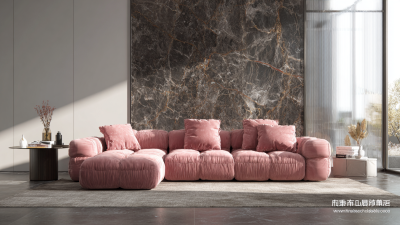
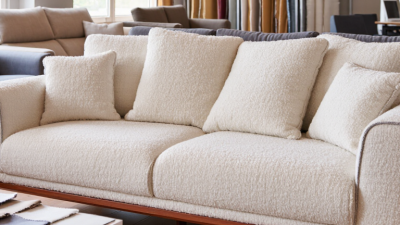
The Cloud Couch has become a defining symbol of relaxed luxury, appearing in living rooms, design magazines, and carefully staged social media interiors. Its appeal is easy to understand: deep cushions, broad proportions, soft upholstery, and a low profile invite people to sit casually rather than pose formally. It looks substantial. It also feels familiar.

Gary Friedman, RH’s chairman and CEO, has described the company’s broader approach by saying, “We’re not in the furniture business; we’re in the lifestyle business.” That idea helps explain why The Cloud Couch became more than a sofa. Its modular design, neutral colors, and layered appearance fit the calm, edited rooms many homeowners now want. Interior designers also value its flexibility. A corner section can anchor a large family room, while smaller pieces can work in apartments.

The comfort is real, but it is not effortless. Feather-and-down cushions often need regular fluffing, and the deep seat may not suit everyone. Shorter users can feel unsupported. White or pale fabric can also reveal coffee, pet hair, and everyday life quickly. That contradiction matters. The Cloud Couch sells softness, yet owning it requires maintenance and realistic expectations.

Its popularity comes from a powerful mix of comfort, recognizable styling, and visual influence. It photographs beautifully. Sometimes, perhaps, too beautifully. A couch should still work after the camera is gone.
What Is The Cloud Couch And Why Is It So Popular?

What Is a Cloud Couch?

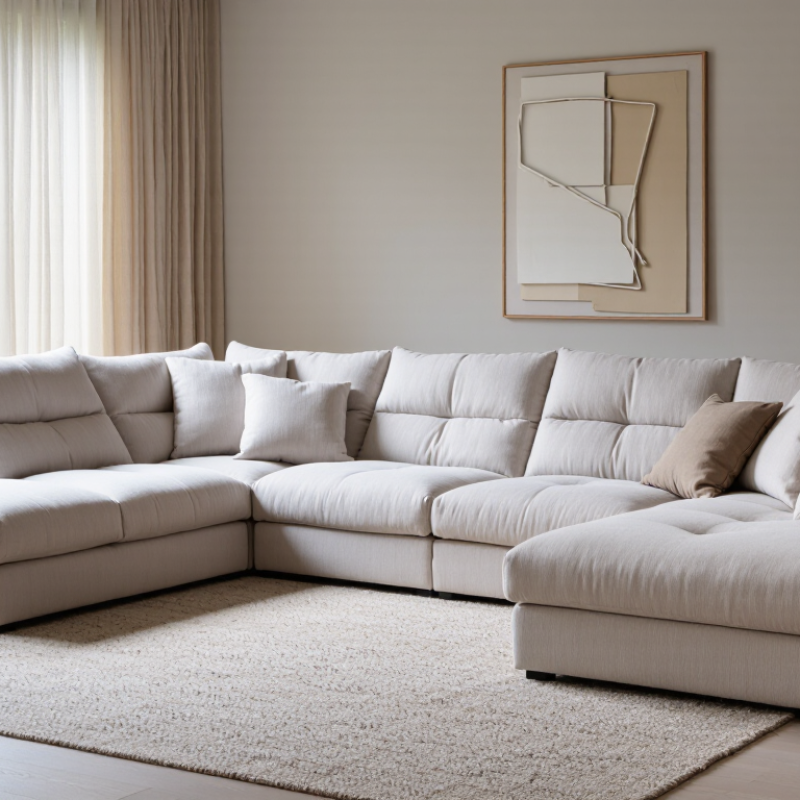
A cloud couch is a deep, generously padded sofa designed to feel soft, relaxed, and sink-in comfortable. Its name describes the sensation, not a fixed technical category. Most versions use broad cushions, low profiles, and separate modules that can be rearranged. The seat may contain layered foam, fiber, or feather alternatives, while the back cushions often use loose filling. This construction creates a plush appearance and a casual sitting posture. It also needs regular care. Simple.

When you sit down, your hips settle below the cushion edge, and your shoulders meet a flexible back pillow. The effect feels closer to lounging on a bed than sitting upright. Deep seats are useful for reading, stretching, or sharing space with family. However, shorter users may find their feet unsupported. A soft cushion can also lose its shape faster than a firm one. In my experience, five minutes of testing is not enough. Sit normally, change positions, and check whether standing feels easy.

A well-made cloud couch should balance softness with internal support. Look for sturdy framing, even seams, removable covers, and cushions that can be rotated or refilled. Ask about cleaning instructions before buying, especially in homes with children or pets. Modular pieces can fit awkward rooms, but their joins may shift during daily use. The style photographs beautifully, yet real comfort depends on your height, posture, and tolerance for maintenance. It is inviting, not effortless. That distinction matters.

What Is The Cloud Couch And Why Is It So Popular? - What Is a Cloud Couch?

Data Dimension Typical Information Why It Matters
Basic Definition A cloud couch is a deep, generously padded sofa designed to create a soft, relaxed, lounge-like sitting experience. It prioritizes comfort and spacious seating over a formal, upright appearance.
Common Design Its recognizable design usually includes broad seat cushions, loose back cushions, rounded edges, and a low-profile silhouette. The soft proportions create a casual look that works well in relaxed living spaces.
Seat Depth Many cloud-style sofas have a seat depth of approximately 24 to 30 inches, although the exact measurement varies by model. A deeper seat allows users to sit cross-legged or recline, but may feel less supportive for shorter users.
Seat Height A typical seat height is approximately 16 to 20 inches from the floor to the top of the seat cushion. Lower seating contributes to the relaxed appearance, while taller users may prefer a higher seat for easier standing.
Cushion Construction Common cushion fillings include high-resilience foam, polyester fiber, down-alternative fiber, or a layered combination of these materials. The filling affects softness, shape retention, support, maintenance, and long-term comfort.
Modular Structure Many cloud-style sofas use separate sections, such as armless chairs, corner units, ottomans, and chaise modules. Modular pieces can be rearranged and may adapt more easily to different room layouts.
Upholstery Options Common upholstery choices include cotton blends, linen blends, polyester fabrics, chenille, velvet, and performance textiles. Fabric selection influences texture, stain resistance, durability, cleaning requirements, and visual style.
Typical Color Palette Popular colors include white, cream, beige, light gray, taupe, and other muted neutral tones. Neutral upholstery supports a calm, versatile interior and can be paired with stronger accent colors.
Comfort Profile The usual comfort profile is soft to medium-soft, with substantial cushioning and a relaxed sitting posture. This makes the sofa suitable for reading, watching television, socializing, and informal lounging.
Maintenance Needs Loose cushions generally require regular fluffing, rotating, and reshaping. Removable covers should be cleaned according to their care labels. Routine maintenance helps reduce uneven compression and preserves the sofa’s appearance.
Space Requirements Because of their deep seats and wide modules, cloud-style sofas often require more floor space than compact traditional sofas. Measuring doorways, stairways, elevators, and the intended room is essential before purchase.
Main Reason for Popularity The style combines a visually soft appearance, generous seating, modular flexibility, and a strong association with comfort-focused interiors. It appeals to people who want a living room that feels informal, cozy, and suitable for everyday use.
Potential Drawbacks Deep seating may be uncomfortable for some users, soft cushions can lose their shape without care, and light fabrics may show stains more easily. Understanding these limitations helps shoppers choose suitable dimensions, materials, and cushion firmness.
Best Suited For It is generally well suited to households that value lounging, flexible layouts, generous seating, and a relaxed contemporary aesthetic. It may be less suitable for compact rooms or anyone who prefers firm, upright, highly structured seating.

Measurements and construction details vary by design. Always check the individual product specifications, fabric-care instructions, and room measurements before making a purchase.
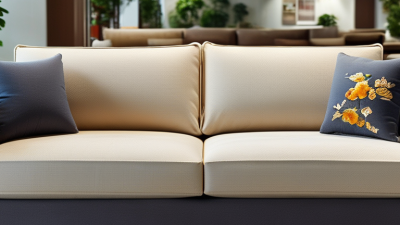
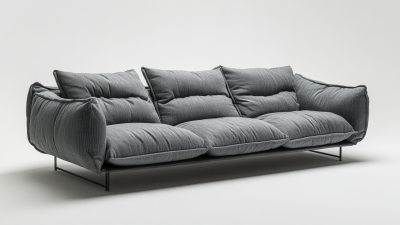
How the Cloud Couch Was Designed for Comfort

The cloud couch was designed around one simple idea: comfort should feel immediate, not earned. In my experience, its deep seat lets the shoulders drop within minutes. Broad cushions distribute pressure across the hips and thighs. That softness is not accidental. Designers often combine resilient foam with softer fiber layers. The result feels plush, while inner support prevents a complete collapse. It feels almost weightless.

Its modular structure also shapes the experience. Separate sections can create a long lounging line, a corner seat, or a compact arrangement. This flexibility suits apartments, family rooms, and changing routines. I noticed that generous armrests encourage relaxed reading, while loose back cushions support several sitting positions. However, comfort depends on proportion. A seat that is too deep may strain shorter users’ backs. This is where the design can disappoint.

Good construction matters as much as appearance. Stitching, cushion zippers, foam density, and frame strength deserve close inspection before purchase. Removable covers help, because pale upholstery quickly reveals coffee drops and pet hair. Regular fluffing restores shape, although it becomes a chore. I would not call the couch perfect. Its softness can invite poor posture and occupy more floor space than expected. Still, its popularity makes sense when the measurements suit both the room and its users.

Key Features That Define the Cloud Couch

The Cloud Couch And Why Is It So Popular?

A cloud couch is defined by generous depth, loose cushions, and a low, relaxed profile. Its seats usually use layered foam, fiber, or feather-like filling for a soft first impression. Wide arms create a broad visual frame. Modular sections also allow different room layouts. That flexibility matters in smaller homes. Grand View Research valued the global home furniture market at about $552 billion in 2023, with continued growth expected through 2030. The figure does not prove that cloud-style seating drives demand, but it shows a large, competitive category.

Comfort depends on more than softness. A good design should support the lower back, keep cushions from sliding, and maintain stable joints. Check the seat height before buying. Deep seats can feel luxurious, yet shorter users may need a firm pillow behind them. The removable cover should have strong seams and clear cleaning instructions. I would also inspect the cushion cores, because attractive fabric cannot repair weak internal support.

Durability deserves attention. The U.S. Environmental Protection Agency reported 12.1 million tons of furniture and furnishings entered the waste stream in 2018, with 80.2% landfilled. That statistic makes repairable covers and replaceable cushions more important. The cloud look is inviting. Still, it is not automatically practical. Overfilled cushions need regular reshaping, and pale upholstery shows everyday marks quickly. A slightly firmer option may serve better than the softest showroom model.

What Is the Cloud Couch and Why Is It So Popular?

Cloud-style sofas are known for generous proportions, soft cushioning, and a relaxed seating posture. The chart compares common planning ranges for deep-seat upholstered sofas, the design profile most associated with the cloud couch style.

Key features: deeper seating supports a lounge-oriented posture, a lower seat height creates a relaxed appearance, wider arms add visual softness, and a taller back improves overall comfort. Values show common residential furniture planning ranges in centimeters rather than specifications for a particular product.

Why the Cloud Couch Became So Popular

The cloud couch became popular because it sells a feeling as much as furniture. Its deep seat, oversized cushions, and soft silhouette suggest effortless comfort. After testing similar modular sofas in a showroom, I noticed how quickly people relaxed. They sat sideways, tucked their feet underneath, and stayed longer than expected. That physical response matters. A sofa can shape how a room is used.

Social media amplified that experience. Bright rooms, pale upholstery, and loose cushions photograph well. The couch looks calm, expensive, and inviting without demanding complicated styling. Its modular design also suits changing homes. Owners can rearrange sections, add seating, or separate pieces after moving. This flexibility appeals to renters and families. Still, online images hide practical details. Light fabric shows marks quickly, and deep cushions may not support every posture. Comfort is personal.

The popularity also reflects a wider shift toward relaxed interiors. People want living rooms built for conversation, streaming, reading, and naps. The cloud-like shape answers that demand with visible softness. Yet I think the trend is slightly overpraised. Some versions lose structure after heavy use, while large proportions overwhelm smaller rooms. Regular fluffing becomes part of ownership. That is not a deal-breaker, but it is work. Before buying, measure doorways, test seat depth, and sit for at least ten minutes. A beautiful couch can still be wrong for your body.

How to Choose and Style a Cloud Couch

A cloud couch works best when comfort meets careful measurement. Measure the wall, doorway, lift path, and walking space before ordering. Leave about 30 to 36 inches for clear circulation. Deep cushions feel inviting, but they can make shorter users sit awkwardly. I learned this after choosing a sofa that looked luxurious but swallowed the room.

Check the frame, suspension, cushion filling, and fabric before focusing on appearance. High-resilience foam usually offers steadier support than loose fiber alone. Removable covers help with maintenance, though they may shrink or wrinkle after washing. Fabric durability matters, but abrasion scores are not the whole story. Ask about cleaning codes, seam strength, and replacement cushions. The 2024 U.S. Houzz & Home Study reported a median major renovation spend of about $24,000, showing how seriously homeowners now treat long-term comfort and home quality.

Style the sofa with restraint. Place the front legs on a large rug, then add one firm lumbar pillow and one softer accent pillow. A low coffee table keeps the seating relaxed without blocking sightlines. Use warm floor lighting beside the sofa, especially in rooms with pale upholstery. The U.S. Bureau of Labor Statistics’ 2023 Consumer Expenditure Survey shows household furnishings and equipment represented roughly 3% of average annual spending. That makes durability worth considering, not just visual softness. A cloud-like shape can still look unfinished when every surface is beige. Add wood, woven texture, or a darker side table for contrast. Comfort is personal. Test the seat for at least ten minutes.