
Leave Your Message

What Is a Fluffy Couch?

A Fluffy Couch usually means a sofa with generous padding, soft upholstery, and a relaxed, sink-in appearance. The phrase is descriptive, not a precise technical category, so two retailers may use it for very different designs. One couch may feel springy and supportive; another may swallow you in loose cushions. That difference matters.

The broader furniture market shows why comfort-focused design deserves attention. Grand View Research estimated the global home furniture market at about $550.65 billion in 2023, with continued growth projected through 2030 (Home Furniture Market Size Report, 2024). This figure covers many products, not fluffy couches alone. It signals a large home-furnishings market, but it cannot tell shoppers whether a particular sofa will hold its shape. A cloudlike look can mislead.

This guide explains what makes a couch feel fluffy, from cushion fill and seat depth to fabric texture and frame support. It also considers practical details: a deep seat can feel luxurious but may leave shorter users’ feet dangling. Loose back cushions may look inviting, yet need regular plumping. Comfort is personal. Measurements and materials are not. By separating appearance from construction, readers can judge whether a Fluffy Couch suits their room, routines, and expectations—not just a staged product photo.
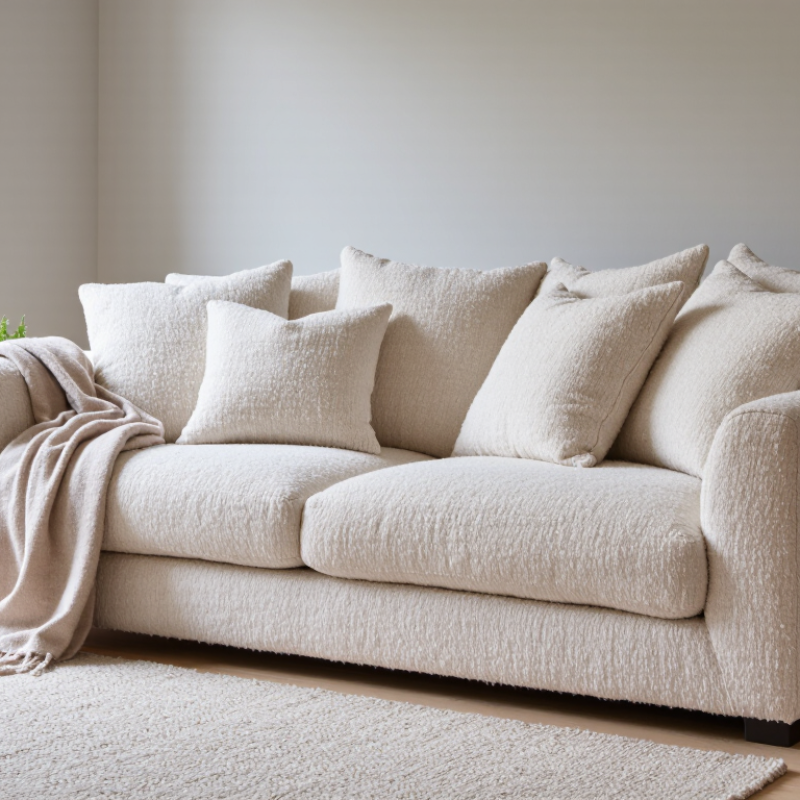
What Is a Fluffy Couch?

What “Fluffy Couch” Means: Cushion Loft, Upholstery, and Overall Shape

A fluffy couch is defined by more than a soft-looking surface. Cushion loft describes how high and full the seat and back cushions appear. Upholstery adds another layer: brushed fabric, boucle, or a plush weave can make the couch look and feel softer. The overall shape matters, too. Deep seats, rounded arms, and loose cushions create a relaxed, cloudlike outline.

Looks can mislead. A cushion may seem lofty but flatten quickly if its filling offers little support. Press the seat and watch how it rises again. Check the upholstery in daylight, where you can see its texture and spot areas that may collect lint. A fabric that feels velvety may also feel warm or require more frequent care. Small trade-offs count.

I sometimes mistake bulk for comfort. They are not the same. Sit down for several minutes, rather than judging by a quick touch. Notice whether your feet reach the floor and whether the back cushions support your posture. Cushion softness also changes with use, and filling can shift over time. A slightly rumpled look may be part of the style, not a flaw—but it should still feel supportive.
Which Fillings Create Softness: Fiberfill, Down, and Foam

A fluffy couch gets its softness from more than a plush-looking cover. The filling determines how the cushions feel, how quickly they spring back, and how much upkeep they need. Press the seat with your palm: a soft surface that rebounds slowly often feels different from one that quickly pushes back.

Fiberfill is lightweight and airy, creating a cloudlike feel around cushions or inside back pillows. It is usually more affordable than down, but it can flatten or clump with use. Regular fluffing helps. Down feels exceptionally soft and molds around the body, though it may need frequent reshaping and can feel too yielding for people who prefer firm support. It is not automatically the best choice.

Foam provides the structure beneath that softness. Softer foam can feel cushiony, while denser foam generally offers firmer support and holds its shape better. Many couches combine foam cores with fiberfill or down wrapping: the foam supports your weight, and the outer layer adds a softer, rounded feel. That mix can work well, but “fluffy” does not always mean comfortable for long sitting. Check whether the cushion sinks deeply, then notice how easily it recovers. Small details matter. A loose, feather-soft back cushion may feel lovely at first and need more daily adjustment than expected.

How Seat Foam Is Measured: 1.8 lb/ft³ as a Common Durability Benchmark

A fluffy couch gets its inviting look from soft upholstery, but the seat’s hidden foam affects how well it holds up. A useful benchmark is 1.8 pounds per cubic foot, or about 28.8 kilograms per cubic meter. Upholstery professionals often treat this as a practical minimum for everyday seating, not a guarantee of long life. Density describes foam weight per volume; it does not tell you how firm the seat feels. Two cushions at the same density can feel quite different.

The Polyurethane Foam Association’s technical guidance distinguishes density from firmness, while ASTM D3574 provides standardized methods for testing foam density, indentation force, and compression set. Those measurements matter: a cushion that quickly stays dented after someone stands up may be losing resilience. Look for the foam’s density and test results, not just words like “plush” or “high quality.” Feel the seat, too. A soft first sit can be lovely, but it may not suit every body or use. And 1.8 is only a benchmark; heavier daily use may call for denser foam and better supporting construction. I would not judge the whole couch by one number.

How Upholstery Wear Is Tested: 15,000 Wyzenbeek Double Rubs for Light Use

What Is a Fluffy Couch?

A fluffy couch feels soft because of its cushioning and upholstery, but softness alone says little about durability. For light-use seating, a specification of 15,000 Wyzenbeek double rubs can serve as a useful screening point. In the Wyzenbeek test, an abrasion machine rubs fabric back and forth against a standard material. One back-and-forth motion counts as one double rub. ASTM International’s ASTM D4157 describes the test method; it does not translate results into a guaranteed number of years.

Treat the figure carefully. The Association for Contract Textiles’ Upholstery Fabric Performance Guidelines set a 30,000-double-rub minimum for woven fabrics in contract settings, a different use category from occasional home seating. So 15,000 may suit a lightly used reading nook, but it is not a universal “light use” certification. The number sounds exact. It isn’t a lifespan promise. Sunlight, cleaning, pets, and the couch’s seams and cushion construction also affect wear. A plush seat may keep its inviting feel while its fabric shows abrasion sooner than expected. And test results cannot predict every household. Check the fabric’s care instructions and construction, then consider who will use the couch and how often. That judgment can be imperfect; a rub count cannot recreate a real living room.

What Is a Fluffy Couch? How Upholstery Wear Is Tested

Wyzenbeek abrasion testing measures how well upholstery fabric withstands repeated rubbing. One double rub is a forward-and-back motion across the fabric.

Common guidance places 15,000 double rubs in the light-use range. Higher counts are often used as guides for more frequent use, but recommendations vary; a rub count is a laboratory abrasion result, not a guarantee of service life.

How Frame Design, Seat Depth, and Care Affect Everyday Comfort

What Is a Fluffy Couch?
How Frame Design, Seat Depth, and Care Affect Everyday Comfort

A fluffy couch feels inviting, but softness alone cannot support daily use. Its frame carries the load; corner blocks and secure joints help limit wobble over time. BIFMA’s X5.4 standard evaluates lounge seating with strength, stability, and repeated-use tests. That matters: a deep cushion can feel luxurious while a weak frame creaks beneath it. Foam also changes with use, so inspect how quickly cushions recover after you stand.

Seat depth shapes how you actually sit. OSHA’s workstation guidance advises supporting the thighs without pressure behind the knees; it is a useful ergonomic principle, not a sofa-size rule. A deep couch may suit lounging, while shorter legs can leave feet dangling. Small detail. Big difference. I would not judge comfort by a quick showroom sit alone—though, honestly, that test is easy to overvalue.

Tips: Sit back with feet supported, then check whether the cushion keeps its shape. Rotate and fluff removable cushions regularly, and vacuum seams where crumbs collect. Follow the care label before spot-cleaning; excess water can leave rings. Measure doorways, too. A perfect couch that cannot reach the room is still a problem.

What Is a Fluffy Couch? How Frame Design, Seat Depth, and Care Affect Everyday Comfort
Comfort Factor Common Design or Range Effect on Everyday Comfort Care and Practical Considerations
Meaning of “fluffy” A plush, cushioned feel created by soft upholstery, generously filled cushions, or loose back pillows. Can feel inviting and enveloping, but “fluffy” is a descriptive term rather than a standardized furniture specification. Check how the cushions feel after sitting for several minutes; a soft surface does not necessarily indicate strong support.
Frame construction Frames may use solid wood, engineered wood, metal, or combinations of materials, with different joint and support designs. A rigid, well-assembled frame helps keep the sofa stable and supports the cushions during regular use. Look for secure joints and even support. Avoid routinely dragging a sofa, which can strain its frame and connections.
Seat depth Many sofas have a usable seat depth of about 21–24 inches; deeper seats may be around 25–30 inches. Measurements vary by design. A shallower seat can make upright sitting easier. A deeper seat offers more room to lounge but may feel less supportive for shorter users. Compare the usable cushion depth—not only the overall sofa depth—and consider whether you prefer sitting upright or reclining.
Seat height and cushion firmness Seat heights commonly fall around 17–19 inches, while firmness ranges from soft to firm. Cushion construction affects how a seat feels. Seat height influences how easily people sit down and stand up. A very soft cushion may feel cozy but can allow more sinking. Try the sofa in person if possible. Follow the care label, and rotate or reposition cushions when the design allows.
Cushion fill and support Fillings may include foam, fiber, feathers or down, or combinations. Some cushions use a foam core with a softer outer wrap. Foam often provides a more consistent shape; fiber and feather blends can feel softer and more relaxed but may compress or shift. Plump loose-fill cushions regularly. Ask about cushion covers and filling care, since some materials require professional cleaning.
Upholstery and daily upkeep Fabric, leather, and other upholstery materials differ in texture, breathability, stain behavior, and cleaning requirements. Upholstery affects the touch and temperature of the sofa, as well as how well it suits pets, children, or frequent use. Vacuum gently and address spills promptly according to the manufacturer’s care instructions. Test cleaning products on an inconspicuous area first.
Overall fit for your routine Comfort depends on the combination of frame support, seat dimensions, cushion feel, and upholstery—not on softness alone. A suitable sofa supports the way you actually sit, whether that means upright reading, stretching out, or sharing the seat. Dimensions and comfort preferences vary. Use the listed measurements as general reference points, not universal standards.