Leave Your Message

How to Choose the Best Plush Couch in 2026?

A Plush Couch can look inviting under showroom lights, yet feel wrong after one long evening. The best choice depends on more than softness. Seat depth, cushion support, fabric durability, and room scale all matter. A deep seat may feel luxurious, but it can leave shorter users’ feet dangling. Measure the doorway, too. A beautiful sofa that cannot reach the living room is an expensive mistake.

The market is broad. Grand View Research valued the global furniture market at about $677.1 billion in 2024 and projected continued growth through 2030. That figure covers many furniture categories, not plush couches alone, so it cannot predict which sofa will suit your home. Still, it shows why shoppers face so many materials, designs, and price points. Compare the product specifications, care instructions, and warranty—not just the staged photos.

Interior designer Nate Berkus has said, “Your home should tell the story of who you are, and be a collection of what you love brought together under one roof.” Applied to sofa shopping, that means choosing comfort that fits your real routines, not an idealized living room. Sit on the couch for several minutes, test the cushions, and notice whether the fabric feels warm, scratchy, or overly delicate. Small details count. This guide will help you weigh those details, compare upholstery and construction, and choose a Plush Couch with fewer regrets. One caveat: comfort is personal, and even careful research cannot replace a real sit.

How to Choose the Best Plush Couch in 2026?

Identify Your Space, Seating Needs, and Budget

Start with the room, not the fabric swatch. Measure the wall, doorway, and walking path before comparing couches. A plush couch can look compact online but feel bulky beside a coffee table. Leave enough space to pass without turning sideways. Measure twice. If your room is narrow, a raised-leg frame may look lighter, though it will not make the couch smaller.

Think about who will use it and how. A household that stretches out for films may need a deeper seat, while a small apartment may benefit from a slimmer profile. If children or pets share the couch, check whether the upholstery is easy to clean and whether cushions can be flipped. Visit a showroom if possible. Sit for several minutes, then notice whether your feet reach the floor and your back feels supported. Softness alone is not comfort.

Set a budget that includes delivery, assembly, and any fabric-care costs. Compare the frame, cushion filling, and warranty terms rather than relying on a low sale price. Ask what the cushions are made of; “plush” describes a feel, not a construction standard. Spending more may improve durability, but not always. I would leave room in the budget for a practical fabric choice, even if that means choosing fewer decorative details.

Compare Plush Upholstery Types and Comfort Levels

How to Choose the Best Plush Couch in 2026?

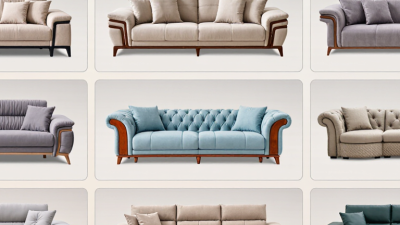
Plush upholstery can feel inviting, but “soft” means different things across fabrics. Velvet has a smooth, dense surface that feels cool at first, then warmer as you settle in. Its nap can show handprints or shading, especially near a window. Chenille feels fuzzy and cushioned against the skin, making it cozy for long evenings. It may catch crumbs, though, so check whether the cover is easy to clean.

Microfiber usually feels soft and slightly brushed, with a more practical surface for everyday lounging. Bouclé has a nubby texture that adds depth, but its loops may feel less gentle on bare skin. Small detail, big difference. Compare upholstery samples in daylight and press them against your arm, not just your fingertips. A showroom’s bright lights can make textures look smoother than they feel at home.

Fabric is only half the comfort story. Sit for ten minutes and notice whether the seat supports your thighs or lets you sink too far. Check cushion fill and firmness; plush top layers can feel wonderful initially but may need regular fluffing. If you share the couch, test it together. One person’s cozy sink can be another person’s awkward perch, and that mismatch is easy to overlook.

How to Choose the Best Plush Couch in 2026?

Compare Plush Upholstery Types and Comfort Levels

Ratings use a 1–5 relative scale to summarize typical material characteristics, not standardized test results. Velvet and chenille often feel soft and cozy, while microfiber tends to feel less warm and more breathable. Actual comfort varies with fabric construction, pile, backing, and room conditions.

Check Frame Construction, Cushion Support, and Durability

How to Choose the Best Plush Couch in 2026?

A plush couch should feel soft without letting your hips sink onto the frame. Check the frame underneath: kiln-dried hardwood or engineered hardwood joints generally offer more dependable support than thin, stapled particleboard. Press the arms and back; excessive flex can signal weak connections. Look for corner blocks, screws, or dowels, not staples alone. A quiet frame matters.

Cushion support needs a closer look. Sit in your usual position, then stand and watch how quickly the seat recovers. High-resilience foam can hold its shape longer than low-density foam, while a feather or fiber wrap adds softness but may need regular fluffing. Ask for the foam specification, not just “premium” wording. ANSI/BIFMA X5.4-2020 describes repeatable structural and durability tests for public and lounge seating; it offers a useful benchmark, though a residential sofa may not be tested to that standard. Showroom comfort can mislead.

Durability also depends on fabric, seams, and daily care. Rub the upholstery with a clean cloth and inspect stitching at corners, where stress often gathers. The U.S. EPA’s 2018 Advancing Sustainable Materials Management report estimated 12.1 million tons of furniture and furnishings were generated in the United States. That figure is a reminder to consider repairable cushions and replaceable covers, not just initial softness. No fabric is truly worry-free.

Match Couch Dimensions and Design to Your Room

Start with the room, not the couch. Measure the wall, the available floor space, and the route through doorways or stairwells. A plush sofa can look smaller in a showroom than it will in a narrow living room. Leave clear paths around it, especially near doors and coffee tables. Measure twice. Then mark the sofa’s footprint on the floor with painter’s tape. It is a simple check, but it can reveal when a chaise will block a walkway.

Match the couch’s shape to how the room is used. A compact two-seater may suit a small apartment, while an L-shaped design can define a larger seating area. Check seat depth, too: deep cushions feel inviting, but shorter users may prefer firmer support and a shallower seat. Think about visual weight. Rounded arms and thick cushions can make a room feel cozy, or crowded. I still find room layouts less forgiving than product photos suggest.

Choose colors and textures that work with the room’s light and existing furniture. A pale, textured fabric may brighten a dim corner, while a darker shade can ground a spacious room. Bring home fabric samples if possible; daylight and warm lamps can change how a color appears. Keep nearby tables and shelves in proportion, and leave enough space to open drawers or reach lamps. A little mismatch may happen, but checking measurements and samples makes it less likely.

Review Care Requirements, Warranty, and Overall Value in 2026

Before choosing a plush couch, check how its upholstery should be cleaned. Some fabrics tolerate gentle water-based spot cleaning; others require professional care. Follow the manufacturer’s instructions, and test any cleaner on a hidden area first. Check the care tag. A soft, textured fabric can trap crumbs and pet hair, so consider how often you are willing to vacuum. Removable covers may help, but confirm whether they are washable or only removable.

Read the warranty before comparing prices. Look for the coverage period and what it says about the frame, cushions, fabric, and workmanship. Pay close attention to exclusions for stains, fading, normal wear, and improper cleaning. Ask how to submit a claim and whether you must keep your receipt. A long warranty is not automatically generous; the details matter more.

For overall value, compare the couch’s full cost with its likely upkeep. Include delivery, cleaning supplies, and any professional upholstery care you expect to need. Sit on the model for several minutes, if possible, and notice whether the cushions support you or feel overly soft. Comfort is personal. A couch that looks inviting in a showroom may feel different at home, and online photos cannot reveal everything. It is worth admitting that no fabric is truly maintenance-free. Choose the one whose care routine fits your real household, not an idealized one.

How to Choose the Best Plush Couch in 2026? - Review Care Requirements, Warranty, and Overall Value in 2026

Compare common plush-couch upholstery and construction options by everyday care, warranty terms to check, and overall value. These are general material and shopping benchmarks, not claims about a particular product or seller.

Couch option Comfort and construction to look for Care requirements Warranty points to review Overall value considerations Best suited to
Performance polyester velvet Soft, short pile with a smooth feel. Check that cushions have supportive cores beneath any soft top layer. Vacuum gently with an upholstery attachment. Blot spills promptly; use only the cleaning method stated on the care label, since water or solvents can mark some fabrics. Check whether fabric coverage includes seam failure or only manufacturing defects. Stains, fading, abrasion, and pile changes may be excluded. Can offer a plush look with relatively straightforward routine care. Value depends on fabric test information, cushion construction, and replacement-part availability. Buyers who want a soft, polished surface and are willing to follow the fabric-care instructions.
Microfiber upholstery Usually a soft, dense synthetic fabric. Seat comfort still depends on cushion fill, seat depth, and suspension—not the fabric alone. Vacuum regularly and blot spills without rubbing. Follow the upholstery cleaning code; some microfiber fabrics can water-spot or change texture when cleaned incorrectly. Confirm whether the warranty covers upholstery defects and what it says about pilling, surface wear, and discoloration. Often a practical option for frequent use. Compare fabric specifications and cushion-replacement costs rather than relying on the “easy-clean” description alone. Households seeking a soft fabric for regular everyday seating.
Polyester chenille Textured, cushioned feel with a plush appearance. Inspect seams and tufting, as textured upholstery can make wear patterns more noticeable. Use gentle, regular vacuuming. Blot spills promptly and avoid aggressive brushing, which may distort the pile. Read exclusions for snagging, abrasion, pilling, and changes in texture. Check whether the warranty applies to upholstery or only the frame and mechanism. May balance softness and cost, but value varies with fabric density, construction quality, and how well the texture suits your household. Buyers who prefer a cozy, textured surface for a living room.
Natural-fiber blend upholstery Cotton or linen blended with synthetic fibers can feel breathable and soft. The blend ratio affects texture and care needs. Check the care code before purchase. Some fabrics require professional cleaning; direct sunlight and untreated spills can increase the risk of fading or staining. Review coverage for fading, stains, shrinkage, and seam issues. These are often treated differently from defects in materials or workmanship. Can provide a natural hand-feel, but may need more careful maintenance. Consider cleaning costs and the room’s exposure to sunlight. Buyers who prioritize a natural-feeling fabric and can maintain it carefully.
Removable, washable slipcover A soft couch with removable covers can make routine upkeep easier. Verify which pieces unzip and whether replacement covers are available. Follow the cover’s washing instructions exactly. Washing may cause shrinkage or fit changes if the care label does not permit machine washing. Check whether covers are covered separately from the frame and cushions, and whether replacement covers can be purchased after the warranty period. Convenient for some spills and refreshes, but value depends on durable fasteners, reliable fit, and the cost of spare covers. Households that value removable covers and want a more manageable cleaning routine.
Down-blend or fiber-topped cushions Can feel especially soft and sink-in. Look for a supportive foam core and clear instructions for regular cushion fluffing. Rotate and fluff cushions as directed to help redistribute fill. Check whether cushion covers are removable and whether inserts can be replaced. Ask how the warranty defines normal softening, loss of loft, and cushion deformation; these may not be treated as manufacturing defects. Delivers a relaxed, plush sit, but may require more upkeep and eventual cushion maintenance than firmer, simpler fills. Buyers who prioritize a relaxed feel and do not mind routine cushion care.

Before buying: Request the complete written warranty and care instructions. Compare coverage periods separately for the frame, suspension, cushions, upholstery, and any reclining mechanism. Warranty terms, cleaning codes, and exclusions vary by product and seller; verify them for the exact couch. Plushness is determined by the full seat construction, not upholstery material alone.