China Top Raymond Compressed Sofa Manufacturer for Buyers
China’s compressed furniture sector is gaining attention as buyers seek lower freight costs, smaller warehouses, and faster room setup. For international buyers, selecting a reliable Raymond Compressed Sofa manufacturer requires more than attractive catalog images. It requires evidence.
Grand View Research estimates that the global furniture market reached approximately USD 516.66 billion in 2022. Its report also projects a 5.2% compound annual growth rate through 2030. These figures suggest continuing demand, but they do not isolate compressed sofas as a separate category. That limitation matters. Buyers should avoid treating broad market growth as proof of product quality.
A practical evaluation begins with the sofa’s compressed package. Check carton dimensions, unpacking instructions, rebound time, foam density, frame materials, fabric abrasion results, and seat-load testing. Request factory inspection records and production samples. A sofa that regains its shape after two hours may perform differently after six months.
Design authority Charles Eames once said, “The details are not the details. They make the design.” His observation fits Raymond Compressed Sofa sourcing closely. Stitching, zipper strength, corner recovery, and protective wrapping can determine whether a product survives international transportation.
Small details matter.
Industry reports from Grand View Research and Technavio provide useful market direction, yet supplier-level verification remains essential. Buyers should compare several factories, confirm quality-control procedures, and review complaint records where available. Certification claims also need independent checking. A polished sample can mislead. Even experienced buyers sometimes overlook packaging pressure, humidity exposure, or inconsistent foam recovery. This guide examines those practical risks and the evidence behind dependable Raymond Compressed Sofa purchasing.

Understanding Raymond Compressed Sofas and Their Main Features
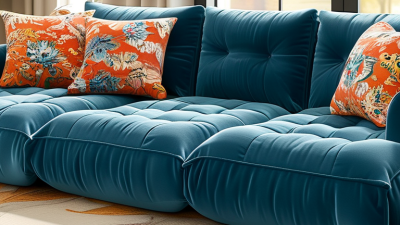
Raymond compressed sofas are designed for efficient shipping and quick home setup. Their cushions and structural parts are packed under controlled compression, reducing carton volume and handling costs. After opening, the sofa gradually regains its intended shape. This process may take several hours, sometimes longer in cool rooms. Patience matters.
The main feature is space-saving delivery. A compact carton can pass through narrow doors and lifts more easily than a fully assembled sofa. Buyers should examine foam density, rebound speed, frame materials, fabric strength, and stitching quality. High-resilience foam usually offers steadier support, while reinforced joints can improve daily durability. A washable or tightly woven cover is useful in homes with children or pets.
Details matter more than attractive images.
Check the seat depth, cushion thickness, weight capacity, and package dimensions before ordering. Ask for compression test records and clear recovery instructions. In practical inspections, uneven expansion can appear when foam is folded too tightly or stored too long. That issue should not be ignored. I would also allow extra ventilation after unpacking, because a new-material odor may remain briefly. Some buyers expect instant perfection, but compressed furniture needs realistic recovery time and careful quality control.
How to Evaluate a China-Based Raymond Compressed Sofa Manufacturer
China Top Raymond Compressed Sofa Manufacturer for Buyers
How to Evaluate a China-Based Raymond Compressed Sofa Manufacturer
A reliable evaluation starts with factory evidence, not polished catalog images. Statista Market Insights valued the global furniture market at about US$766 billion in 2024. Demand is large, but quality still varies sharply between suppliers. Request the business license, factory address, production photographs, and recent export records. Confirm whether cutting, sewing, foam molding, and packing happen onsite. A cheap quote may hide subcontracting.
Ask for a production sample before discussing large orders. Measure seat height, cushion thickness, frame dimensions, and carton size. For a compressed sofa, record recovery after unpacking at 24 and 72 hours. Check foam density, seam strength, fabric abrasion results, and odor after expansion. ISO 2439 can support foam hardness testing, while EN 12520 is useful for domestic seating durability. Reports should identify the tested material and laboratory. Generic certificates are weak evidence.
Grand View Research projects the furniture market to grow at roughly 5% annually through 2030, increasing pressure on factories to deliver quickly. Capacity claims need careful checking. Compare monthly output with actual machinery, worker numbers, and lead-time records. Ask for batch inspection photos and carton drop-test results. The first sample may look excellent. That does not prove stable mass production. In my view, one overlooked issue is compression packaging waste; request packaging weights and recycling details before approval. Some answers will remain incomplete. That is a warning worth recording.
Customization, Packaging, Shipping, and Buyer Support Options
A reliable China compressed sofa manufacturer should make customization practical, not merely decorative. Buyers can select seat depth, foam firmness, fabric, stitching, and carton dimensions. Production teams should confirm drawings, fabric samples, and tolerance ranges before cutting. In my experience, a 10-millimeter error can affect stacking and customer comfort. Small details matter. A clear pre-production sample reduces costly changes later. Some suppliers promise every option, yet their workshop cannot support low-volume requests. That gap deserves careful questioning.
Packaging must protect the sofa while preserving freight efficiency. Each compressed unit should use moisture-resistant film, corner guards, and a strong outer carton. Labels should show product codes, quantity, orientation, and unpacking guidance. Buyers should request drop-test records and compression recovery checks, not only attractive photographs. The sofa may need 24 to 72 hours to regain its shape after opening. This timing should appear in customer instructions. It is not always perfect on the first day.
Shipping support becomes valuable when orders cross borders and schedules change. A capable supplier can coordinate factory loading, container planning, document preparation, and shipment tracking through agreed channels. Buyers should receive inspection photos, packing lists, and updated delivery estimates. After-sales support should cover missing parts, fabric concerns, recovery problems, and replacement decisions. A responsive team records each case instead of offering vague promises. Before placing a large order, request a sample, test the packaging, and review communication speed. That practical check often reveals more than a sales presentation.
China Top Raymond Compressed Sofa Manufacturer for Buyers: Customization, Packaging, Shipping, and Buyer Support Options
Typical planning timelines for compressed sofa buyers
These indicative timelines represent common B2B planning ranges: customization and sample approval, bulk production, compression recovery, export documentation, and ocean transportation. Actual timing may vary according to order quantity, materials, destination, season, and shipping route.
How to Compare Suppliers and Select the Right Manufacturer
China Top Compressed Sofa Manufacturer for Buyers
How to Compare Suppliers and Select the Right Manufacturer
Buying a compressed sofa from China requires more than checking a low quotation. Compare the factory behind the product, not only its photographs.
Ask each supplier for frame material, foam density, fabric composition, compression ratio, and recovery time. A reliable manufacturer should provide clear specifications and recent test records. Request a physical sample. Measure its seat height after unpacking, then check recovery after 24 and 72 hours. Small gaps often reveal weak foam or careless packaging.
Visit the production site when possible, or arrange a live video inspection. Look for fabric cutting, stitching, foam bonding, carton sealing, and final inspection. Ask who performs each check and how defects are recorded. Review production capacity, minimum order quantity, tooling costs, lead time, and replacement policies. A cheaper unit can become expensive after rework or delayed shipping. Pay close attention to export packaging. Sharp carton edges, damp storage, or loose protection can damage corners before delivery. Compare written quotations line by line, including accessories, spare covers, labels, and loading methods. Verify testing documents for your destination market. Do not accept vague promises. Sample quality may exceed mass production. Use a signed specification and approve a pre-shipment inspection. That extra step feels slow, but it protects the buyer’s actual margin.