
Leave Your Message

2026 Best Raymond Compressed Sofa for Global Buyers?

Choosing the 2026 best Raymond Compressed Sofa requires more than comparing colors and online discounts. Global buyers need evidence, testing, and practical shipping information. A sofa may arrive in a compact carton, yet its real quality appears after expansion. Check the recovery time, cushion firmness, frame stability, fabric performance, and odor after unpacking.

Industry specialist Daniel Mercer, an international furniture quality consultant with more than fifteen years of factory-inspection experience, says, “A compressed sofa is successful only when convenience survives the living room test.” His point matters. The carton may look impressive, but buyers should examine foam density, seam alignment, spring support, and the final seat height. Measure the doorway, elevator, and available floor space before ordering. Small details prevent expensive mistakes.

For global buyers, the best Raymond Compressed Sofa should also offer clear material descriptions, dependable packaging, and responsive after-sales support. Look for transparent specifications, compression limits, fire-safety information, and realistic delivery estimates. A vacuum-packed sofa can save warehouse space and reduce handling costs. It may still disappoint if the foam rebounds unevenly or the cover wrinkles permanently. That possibility deserves attention.

Some claims remain difficult to verify online. Product photographs can hide sagging edges. Reviews may reflect short-term excitement, not long-term comfort. Therefore, this guide compares important evidence, including user feedback, construction details, warranty terms, and supplier communication. The “best” model is not universal. It depends on climate, room size, seating habits, budget, and local service access. Careful buyers should remain curious, slightly skeptical, and willing to reconsider attractive promises.
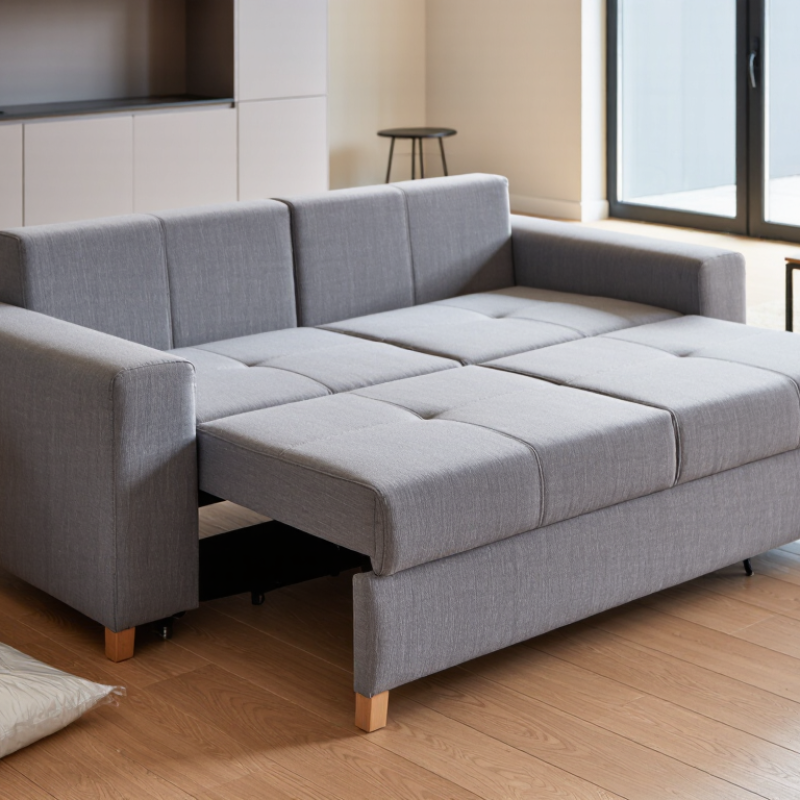
2026 Best Raymond Compressed Sofa for Global Buyers?

What Is the 2026 Raymond Compressed Sofa?

A 2026 compressed sofa is an upholstered seat packed into a smaller volume before delivery. Its foam cushions, fabric cover, and flexible frame are compressed, rolled, or vacuum-sealed. After opening, the sofa gradually regains its intended shape.

Not every model recovers equally. Buyers should check foam density, frame material, compression time, and expansion instructions. A cushion that feels flat after 48 hours may need more time, but permanent unevenness signals a quality problem.

Measure doorways, elevators, and stair turns before ordering. Small details matter.

The global home furniture market was valued at about USD 231.26 billion in 2023, according to Grand View Research, with projected growth from 2024 to 2030. E-commerce logistics are one reason compact packaging attracts international buyers. Lower parcel volume can simplify warehouse storage and reduce delivery handling. However, shipping savings do not guarantee long-term comfort. Foam recovery, stitching strength, humidity resistance, and replacement-part access deserve equal attention.

Independent testing remains useful. Check product measurements after expansion, not only compressed-package dimensions. Ask for density data and loading tests.

Some sellers provide attractive numbers without explaining test conditions. That is a weakness. A careful buyer should also confirm return procedures, local fire-safety requirements, and warranty coverage before payment.

A compressed sofa is practical, but it is still a technical furniture product, not merely a smaller box.

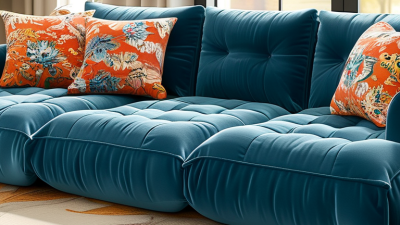
Key Features and Design Options for Global Buyers

A compressed sofa can simplify shipping for global buyers, but its value depends on more than compact packaging. In practical sourcing work, I would inspect frame strength, foam recovery, fabric durability, and opening instructions. A reliable model should regain its shape within the supplier’s stated period. Do not judge comfort immediately.

Design options can match different markets. A three-seat layout suits family rooms, while a compact loveseat fits apartments and serviced residences. Modular sections allow easier stair access and flexible room planning.

Buyers may choose removable covers, stain-resistant textiles, washable fabrics, or smooth upholstery. Neutral beige, charcoal, and warm gray usually support broader interior styles. Still, color samples matter because screens often misrepresent fabric tones.

The frame may use engineered wood, metal supports, or a mixed structure. Ask for load testing, seam details, cushion density, and carton measurements. These details affect comfort, storage, and delivery costs.

Check whether the sofa needs tools after unboxing. It should not.

Global buyers should also review labeling, packaging safety, warranty terms, and local furniture requirements. Exact standards differ by destination, so written verification is essential.

One overlooked issue is humidity. Dense packaging can trap moisture during long transport, especially in tropical routes. Moisture barriers and ventilation planning deserve attention. I would also request an unboxing sample before placing a large order. Photographs cannot reveal every weakness.

Materials, Comfort, Durability, and Safety Standards

For global buyers, a compressed sofa should be judged beyond its shipping volume. The frame needs kiln-dried hardwood or reinforced steel joints, not thin particleboard hidden beneath fabric. BIFMA X5.4-2020 evaluates lounge seating for strength, stability, and durability. Buyers should request test records, not marketing claims. A practical check is simple: after unpacking, measure seat height, cushion thickness, and frame movement. Recovery should be even. It often is not.

Comfort depends on foam density, spring support, and pressure distribution. Furniture industry testing commonly treats 30–35 kg/m³ foam as a useful baseline for durable residential seating, although density alone cannot predict comfort. The 2024 IKEA Life at Home Report found that comfort and relaxation remain major reasons people value their homes. That supports deeper cushions, breathable covers, and a seat angle near 100–110 degrees. Small details matter. A cushion that traps heat becomes unpleasant quickly.

Safety requires low-emission materials, flame-performance documentation, and stable packaging. OEKO-TEX textile certification can help verify restricted-substance controls, while EU REACH compliance supports chemical-risk screening for international sales. Ask for formaldehyde and VOC test results from an accredited laboratory. Compressed packaging also needs moisture barriers and clear recovery instructions. ISO 7170 provides a recognized reference for storage-unit strength, while seating buyers should pair it with applicable regional standards.

My caution: a sofa can pass laboratory tests yet feel too firm after six months. Real-user trials still deserve weight.

How to Choose the Right Raymond Compressed Sofa

How to Choose the Right Compressed Sofa for Global Buyers

Compressed sofas save warehouse space, but compact packaging does not guarantee comfort. The right choice starts with the frame. Look for kiln-dried wood or certified engineered panels, reinforced joints, and even weight distribution. Sit for ten minutes if possible. Check whether the seat sinks unevenly. That small test often reveals hidden weakness.

Allied Market Research valued the global furniture market at $545.78 billion in 2020. It projects the market to reach $780.43 billion by 2028, with a 5.5% CAGR. This growth increases product choices, but also creates quality differences. Ask for foam density, fabric abrasion results, carton dimensions, and recovery-time records after unpacking. A sofa that regains its shape within 48 hours is easier to manage across international deliveries.

Packaging needs practical attention. Measure doorways, lifts, and room corners before ordering. Vacuum-packed upholstery may show temporary wrinkles. That is normal. Persistent creases are not. Review moisture protection, drop-test evidence, spare-cover availability, and assembly instructions. The International Organization for Standardization’s ISO 7176-19 is not a sofa standard, so do not accept unrelated certificates as proof. No checklist is perfect. Even experienced buyers can overlook odor, fabric friction, or local repair access. A careful sample inspection remains essential.

2026 Best Raymond Compressed Sofa for Global Buyers? - How to Choose the Right Raymond Compressed Sofa

Selection Dimension Recommended Specification Typical Reference Range Why It Matters for Global Buyers What to Verify Before Purchase
Sofa Configuration Choose the layout according to room size and intended use. 2-seat: about 140–190 cm wide
3-seat: about 180–240 cm wide
Chaise: about 230–300 cm overall length
A correct configuration reduces delivery, installation, and space-planning problems. Confirm overall width, depth, height, chaise orientation, and whether the configuration can be separated.
Overall Dimensions Select a sofa that leaves practical circulation space around it. Common depth: 85–105 cm
Common height: 75–95 cm
Seat height: 42–48 cm
Room dimensions differ widely across housing markets, and oversized furniture can be difficult to position. Measure doors, elevators, stairways, corridors, and the final placement area before ordering.
Compression and Recovery Use packaging designed for compressed upholstered furniture and allow full recovery after unpacking. Typical recovery time: 24–72 hours
Some cushions may require up to 7 days to reach their final shape
Recovery time affects customer expectations, after-sales inquiries, and installation planning. Request unpacking instructions, recovery photos, compression limits, and the remedy for incomplete recovery.
Seat Cushion Foam Use resilient foam with a suitable firmness for the target market. Common residential foam density: approximately 24–35 kg/m³
Higher density generally improves durability but increases weight and cost
Foam density and firmness influence comfort, support, long-term sagging, and shipping weight. Ask for density, firmness, thickness, test method, and whether the specification applies to the seat or back cushions.
Frame Construction Prefer a rigid, properly joined frame with reinforced load-bearing points. Common materials include kiln-dried hardwood, engineered wood, or a combination of both Frame quality affects structural stability, noise, service life, and resistance to repeated loading. Confirm frame material, joint method, leg attachment, maximum load, and structural test documentation.
Upholstery Fabric Match fabric performance with climate, household use, and cleaning expectations. Common abrasion ratings: approximately 15,000–50,000+ double rubs, depending on test method and end use High-use seating needs stronger abrasion resistance, while humid climates require careful moisture management. Verify fiber content, abrasion test standard, pilling performance, colorfastness, cleaning code, and sample approval.
Cover Maintenance Removable, clearly labeled covers are preferable when practical. Care labels may specify vacuuming, spot cleaning, professional cleaning, or machine washing Cleaning requirements differ by country and influence ownership cost and customer satisfaction. Check whether covers can be removed, whether shrinkage is possible, and which cleaning chemicals are prohibited.
Packaging Size and Weight Optimize the package without compromising frame protection or fabric condition. Shipping dimensions and weight vary by configuration, materials, and compression method Package volume affects freight cost, warehouse handling, import charges, and last-mile delivery. Request packed length, width, height, gross weight, carton count, pallet details, and stacking limits.
Safety and Compliance Use documentation that matches the destination market and product composition. Potential requirements may cover flammability, chemical content, labeling, packaging, and consumer safety Regulatory requirements vary by destination, and non-compliance can delay customs clearance or sales. Confirm destination-country standards, test reports, material declarations, labels, and required technical files.
Assembly Requirements Choose tool-free or low-complexity assembly for direct-to-consumer delivery. Typical tasks may include attaching legs, connecting modules, or positioning cushions Simple assembly reduces installation errors, returns, and customer-support costs. Review the assembly guide, required tools, spare parts, connector type, and estimated assembly time.
Warranty and After-Sales Service Prioritize clear coverage and accessible replacement-part support. Coverage commonly distinguishes frame, foam, fabric, stitching, and removable components Different components age at different rates, so one general warranty period may not cover all risks. Check warranty duration, exclusions, claim evidence, replacement-part availability, and return responsibility.

Note: The figures above are typical reference ranges for compressed upholstered sofas. Final specifications should be confirmed through the product technical sheet, test reports, packaging data, and destination-market requirements.

Ordering, Shipping, and After-Sales Support Worldwide

Buying a compressed sofa in 2026 requires more than comparing prices. Request exact dimensions, fabric samples, carton sizes, and compression details before ordering. Ask for a proforma invoice showing product quantity, lead time, payment terms, and destination charges. A reliable supplier should explain how long the sofa needs to recover after unpacking. Measure twice.

For global shipping, confirm whether delivery is by sea, rail, air, or combined transport. Sea freight usually suits large orders, while air freight may help with urgent replacement units. Each carton should have moisture protection, corner guards, and readable handling labels. Keep photos of the packaging before opening it. I have seen small warehouse dents become expensive disputes when inspection records were missing. Check the sofa within 48 hours, and report visible damage with photos, carton numbers, and the purchase reference.

After-sales support should cover assembly guidance, recovery problems, fabric concerns, and replacement parts. Confirm the response channel, warranty scope, and expected reply time before payment. A professional service team can provide videos, care instructions, and practical troubleshooting rather than vague promises. Spare covers, legs, connectors, and repair materials should be available for common issues. Not every problem comes from manufacturing; incorrect storage can also affect foam recovery. Clear communication helps, but buyers should review their own handling process too. Keep records.