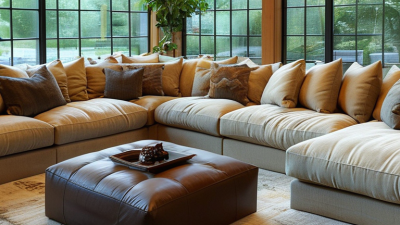
Why Are Apartment Sofas Ideal for Small Spaces?
Small rooms ask every piece of furniture to earn its place. A sofa can take up much of a living area, yet the right Apartment Sofas can make that space feel more useful, not more crowded. Their compact proportions often leave clearer paths between a doorway, a coffee table, and the kitchen. Some models also include storage, removable cushions, or a sleeper function. These details matter when one room must support several parts of daily life.
Picture a narrow living room with a radiator under the window and only a small gap beside the entry. A deep, oversized sofa may block movement or make the room feel boxed in. A shorter frame, raised legs, or slimmer arms can preserve floor space and keep the room visually open. Measure the sofa’s full width and depth, then check the route through hallways and doors. A model that fits on paper may still be difficult to carry upstairs. Small details count.
Size alone is not the whole answer. Seat depth, cushion firmness, fabric durability, and how many people use the sofa each day all affect comfort. A compact design may suit a studio but feel cramped for frequent guests. A pull-out bed can help, though it needs room to open. And storage is useful only if its compartments are easy to reach. Apartment Sofas work best when they match the room’s real routines, rather than an idealized floor plan. Even careful planning has limits; sometimes a chair must go. That trade-off is worth considering before buying.
What Defines an Apartment Sofa?
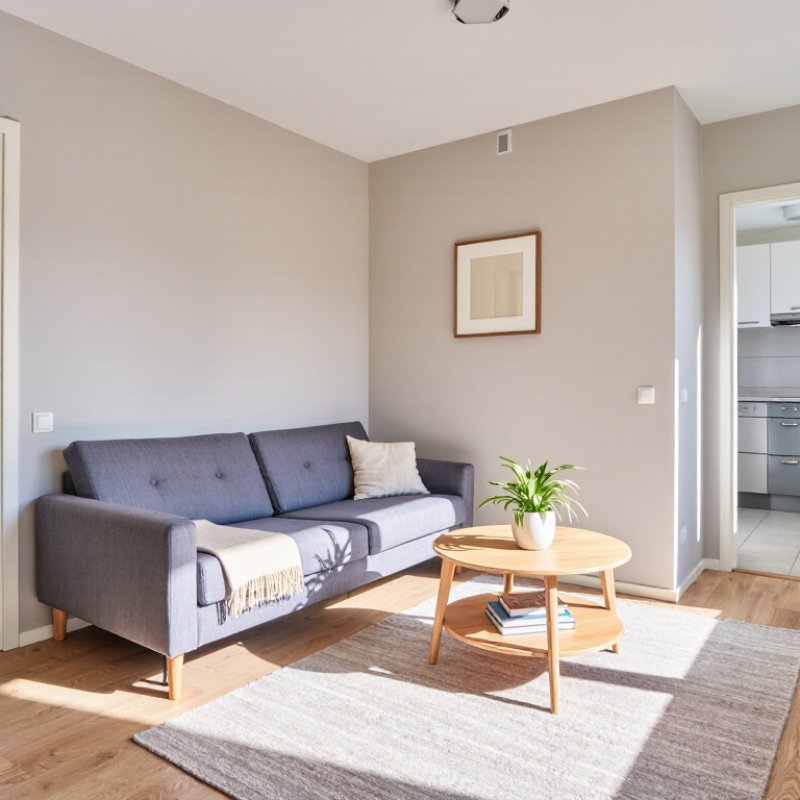
An apartment sofa is defined by its compact proportions, not by one official size. The term usually describes a sofa designed to fit smaller rooms without feeling like a miniature couch. Many models seat two or three people, with a narrower frame, slimmer arms, or a shorter overall length. Exact dimensions vary, so check the measurements rather than relying on the label alone.
Depth matters, too. A shallower seat can leave more floor space for walking, while raised legs may help a small room feel less crowded. For example, a sofa around 75 inches long may suit a narrow living room, but its arms and seat depth still affect the usable space. Measure doorways, stair turns, and the intended wall before buying. A sofa that fits the room may not fit the route inside.
That distinction is easy to miss. Apartment-size does not automatically mean flimsy or uncomfortable; frame construction, cushion support, and fabric still matter. Sit on one if possible, since a neat-looking profile can feel too firm or shallow for everyday lounging. I’d also leave room for a side table or an open path, even if that means choosing a smaller seat. The label helps, but the room’s actual layout should make the final decision.
How Compact Dimensions Preserve Usable Floor Space
Why Are Apartment Sofas Ideal for Small Spaces?
How Compact Dimensions Preserve Usable Floor Space
A smaller sofa can make a room feel easier to move through, not merely less furnished. RentCafe’s 2024 apartment-size analysis, based on Yardi Matrix data, put the average U.S. apartment at about 908 square feet. In a home with limited space, a few inches can matter. For example, a 72-by-34-inch sofa covers about 5.2 fewer square feet than an 84-by-38-inch model. That difference can help keep a walkway open or leave room for a small side table. These sample dimensions are illustrative; actual sofa sizes vary.
Compact sofas also tend to leave more visible floor around their frames. That can make a room feel less crowded, especially when the sofa sits near a doorway or a narrow route to the kitchen. Slim arms and raised legs may help preserve that openness. Still, compact does not always mean comfortable. Measure the seat depth, entry route, and space needed to recline before choosing. I have seen a sofa fit neatly on paper, then crowd the room once its cushions and occupants are in place.
Tips: Tape the sofa’s full outline on the floor. Keep the main path clear, and check that doors, drawers, and nearby chairs can still move freely.
Why Are Apartment Sofas Ideal for Small Spaces? — How Compact Dimensions Preserve Usable Floor Space
| Comparison |
Compact Apartment Sofa |
Larger Standard Sofa |
Space Impact |
| Example overall dimensions |
72 in. wide × 35 in. deep |
84 in. wide × 38 in. deep |
The compact example is 12 in. narrower and 3 in. shallower. |
| Approximate floor footprint |
17.5 sq. ft. |
22.2 sq. ft. |
Calculated from width × depth; the compact example occupies about 4.7 sq. ft. less. |
| Footprint reduction |
About 21% less than the larger example |
More floor area remains available for walking and other furniture. |
| Room-layout flexibility |
Shorter width can make placement easier in a narrow living area. |
Greater width may limit options in a small room. |
A smaller sofa can leave more room for a side table or an unobstructed path. |
| Depth and circulation |
Less front-to-back depth can help preserve clearance in a tight layout. |
Additional depth extends farther into the room. |
Actual walking space depends on the room layout and the sofa’s placement. |
The dimensions above are illustrative examples, not fixed industry standards. Sofa sizes vary by design, and the footprint calculation covers the sofa’s width and depth only; it does not include extra clearance or space taken up by reclining parts.
Which Design Features Suit Small Rooms?
Small rooms reward sofas that respect circulation, not just seating capacity. The National Association of Home Builders reported that the average new U.S. apartment measured 887 square feet in 2022, down from 1,044 square feet in 2012, based on Census Bureau data. That wider shift makes every few inches count. A compact sofa with narrow arms and a shallow profile can leave more floor visible and preserve a clear path to the kitchen or window.
Measure twice. Check the full depth, including cushions, and leave enough room for doors and drawers to open.
Look for raised legs, which expose more floor and help a small room feel less visually crowded. A simple, low back can also keep sightlines open, especially near a window. Storage beneath the seat is useful for spare blankets, but a heavy lift-up lid may be awkward in a tight layout.
It helps. Modular pieces offer flexibility when a room has an unusual shape, though extra sections can quickly overwhelm it. Choose upholstery that suits the room’s light; pale fabric may feel airy, but it is not automatically easier to maintain. Even a well-measured sofa can make a room feel cramped if the coffee table blocks the walking route. Allow space to move, then judge the fit in the actual room.
How Flexible Configurations Support Everyday Living
Why Are Apartment Sofas Ideal for Small Spaces?
How Flexible Configurations Support Everyday Living
An apartment sofa works hard when its layout can shift with the day. RentCafe’s 2024 analysis of Yardi Matrix data reported an average U.S. apartment size of 908 square feet. That national figure is only a reference; individual rooms vary widely. A reversible chaise can sit beside the window on quiet evenings, then move to open a clearer path when guests arrive. Modular sections can also separate into seats for a game night. Small change, real difference.
Flexible pieces support everyday routines without assigning every activity its own furniture. A compact sofa with a movable ottoman can make room for a laptop, then tuck away for dinner. Still, “flexible” does not always mean “small.” A deep sectional may crowd a narrow room, even if its pieces rearrange. Measure the sofa, doorways, and walking space before buying. Leave enough room to pass without turning sideways; that detail is easy to underestimate.
Tips: Mark the sofa’s footprint on the floor with painter’s tape. Try two layouts: one for daily use, one for company. If the ottoman blocks a cabinet, the plan needs another look.
Why Are Apartment Sofas Ideal for Small Spaces?
Flexible configurations let you choose a sofa size that fits your room. The ranges below show approximate common sofa widths; actual dimensions vary by model.
Typical size ranges are approximate and vary by design. Check individual product dimensions before planning your layout.
What to Consider When Choosing an Apartment Sofa
Choosing an apartment sofa begins with measurements, not fabric samples. Measure the wall, doorway, hallway turns, and elevator opening. A sofa that fits the living room may still fail at the front door. RentCafe’s 2023 Apartment Size Report, using Yardi Matrix data, put the average U.S. apartment at 887 square feet in 2022—54 square feet smaller than in 2012. That average masks major differences between homes. Measure your own space.
Check the sofa’s full width and depth, including cushions and arms. Then mark its footprint with painter’s tape. Leave enough room for doors to swing and people to pass; a narrow walkway can make a room feel cramped. Measure twice. Slim arms and raised legs can preserve visual space, while deep seats may take up more floor area than expected. Comfort is personal, so test the seat depth if possible.
Think about how you actually use the room. A compact two-seat sofa may suit a solo renter, while a modular design can adapt after a move. But more sections mean more joints and pieces to fit through tight turns. Choose upholstery you can maintain, especially if pets or frequent meals are part of daily life. I’d reconsider any purchase based on appearance alone; a beautiful sofa is frustrating when it blocks a cupboard or leaves no space for a side table.