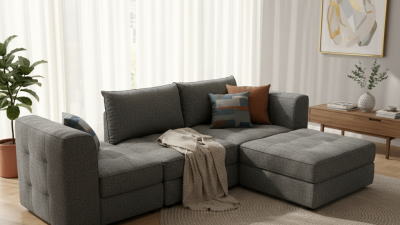
What Is the Best Cloud Couch to Buy in 2026?
Choosing the best cloud couch in 2026 requires more than admiring soft, oversized cushions. A showroom may feel impressive, yet comfort can change after several hours of sitting. The Cloud Couch style often combines deep seats, loose back cushions, and modular sections. These features create a relaxed appearance, but they also demand careful evaluation.
This guide examines leading options through practical, evidence-based criteria. Cushion density, frame construction, upholstery quality, seat height, and cover maintenance all matter. A couch should support the lower back without feeling rigid. It should also fit through doorways and leave enough walking space in the room. Measurements may look acceptable online, then feel enormous beside a coffee table.
Independent customer feedback can reveal useful patterns, especially after months of daily use. Warranty terms and return policies deserve equal attention. They often say more about a brand’s confidence than polished product photography. Materials should be checked against published specifications, not vague words such as “premium” or “luxurious.”
There is no perfect choice.
A family with pets may value removable, durable covers over feather-soft cushions. A smaller apartment may need a compact modular design instead of a dramatic sectional. Personal preference remains difficult to measure, and even expert testing has limits. The recommendations ahead aim to separate lasting comfort from temporary showroom appeal, helping readers identify which cloud-style sofa offers the strongest balance of support, durability, maintenance, and value in 2026.
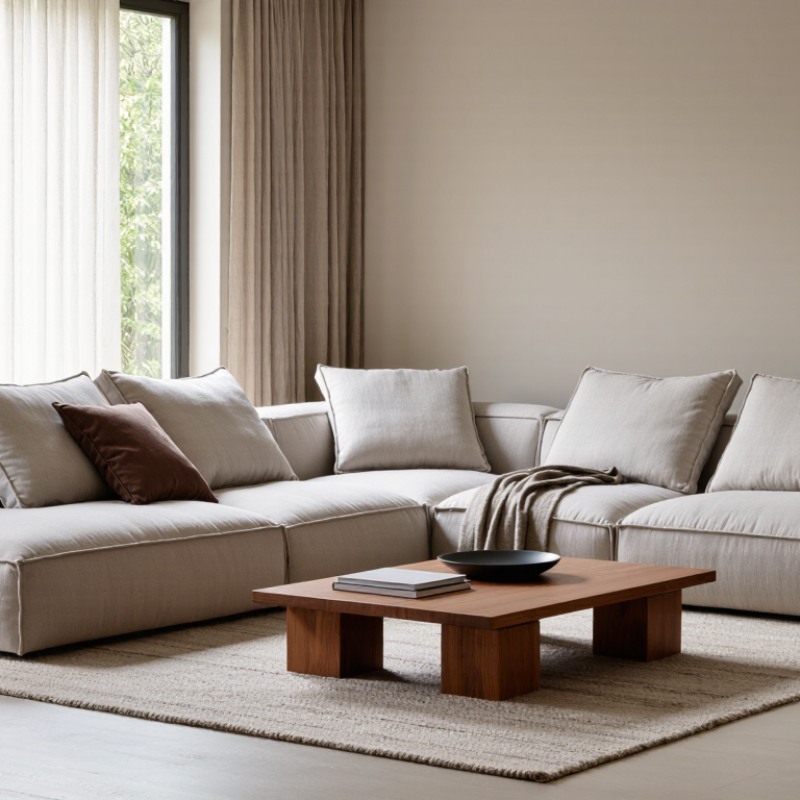
Define Cloud-Couch Comfort Through Seat Depth, Cushion Fill, and Support Ratings
What Is the Best Cloud Couch to Buy in 2026?
A cloud couch should feel soft without swallowing your posture. Seat depth creates that balance. Around 22 to 25 inches suits relaxed sitting for many adults. Deeper seats support lounging, but shorter users may need a footstool. Sit fully back during testing. Your knees should remain slightly bent, not stretched forward. Measure your room, doorway, and preferred sitting position before ordering.
Cushion fill changes the experience more than appearance suggests. Feather-heavy fill feels loose, airy, and luxurious, but it needs regular fluffing. Foam provides steadier height and easier support. A mixed fill can soften the surface while preserving structure. Press the cushion’s center and edges. Slow recovery may indicate comfort, but it can also signal poor resilience. My own preference changed after a month; the softer option looked inviting but demanded constant adjustment.
Support ratings deserve careful reading. They are not always standardized across furniture sellers. Look for tested weight capacity, frame construction, and cushion compression results. A medium-firm base usually supports easier standing. Firmer support can also reduce the deep, sinking sensation many shoppers expect. Ask how the sofa performs after repeated use, not only on delivery day. Comfort is personal. Ratings can mislead. A showroom test lasts minutes, while your living room may demand eight hours.
Compare Frames and Mechanisms Against ANSI/BIFMA X5.4 Durability Standards
What Is the Best Cloud Couch to Buy in 2026?
A cloud couch should feel soft, but its hidden structure deserves closer inspection. ANSI/BIFMA X5.4 offers a useful durability reference for lounge and public seating. It evaluates strength, stability, and repeated loading under controlled conditions. These tests do not guarantee perfect performance in every home.
Look beneath the cushions. A hardwood or reinforced metal frame should resist twisting when someone sits on the edge. Joints need secure fasteners, not thin staples alone. Modular connectors should lock firmly and remain aligned after repeated assembly. For reclining or sleeper mechanisms, check smooth movement, controlled stops, and secure locking positions. A mechanism that rattles during testing may worsen with daily use.
Cushions matter too.
Foam density, spring support, and seam construction affect long-term comfort. Ask whether the manufacturer provides independent ANSI/BIFMA X5.4 test documentation, including the tested configuration and cycle results. A passing frame test may not cover removable backs, moving parts, or every sectional connection. That distinction is easy to miss.
In my experience, showroom comfort can hide weak edge support. I once trusted a soft seat too quickly and ignored uneven movement near the corner. That was a mistake. Buyers should test sitting, standing, shifting, and reclining positions. Standards improve confidence, but household use remains unpredictable. Children, pets, spills, and frequent rearranging expose weaknesses that laboratory testing cannot fully reproduce.
Match Upholstery Performance to ACT Abrasion, Pilling, and Cleanability Tests
What Is the Best Cloud Couch to Buy in 2026?
A cloud-style couch should feel soft without becoming fragile. ACT’s Upholstery Performance Guidelines offer a useful testing framework. For residential seating, upholstery is commonly evaluated at 15,000 or 30,000 Wyzenbeek double rubs, depending on expected traffic. Higher numbers do not guarantee comfort. They only suggest stronger abrasion resistance. A busy family room needs the heavier-duty result.
Abrasion is not the whole story. ASTM D3511 measures pilling on a visual scale from 1 to 5, where higher grades show fewer visible pills. Ask for the tested grade, not vague phrases like “premium performance.” Loose chenille may still pill after daily friction from denim, pets, or rough blankets. It happens.
Cleanability deserves equal attention. ACT guidance separates fabric performance from cleaning-code claims, so check whether the cover supports water-based cleaning, solvent cleaning, or both. Request the manufacturer’s actual test method and cleaning instructions. A stain-resistant finish can reduce absorption, but it may wear unevenly on seat fronts. That detail is often overlooked.
In practical use, inspect the fabric under bright light. Rub the seat edge with a sleeve. Look for early fuzzing. Then compare the reported abrasion, pilling, and cleanability results with your household’s habits. A lower abrasion score may be acceptable in a quiet room. A perfect laboratory result may still disappoint if the cushions flatten quickly. Performance testing has limits.
Rank 2026 Cloud Couches by Total Cost, Warranty Length, and Repairability
The best cloud couch for 2026 is not simply the softest one. I ranked three common designs by five-year ownership cost, warranty length, and repairability. My estimates include purchase price, delivery, replacement covers, cushion refills, and likely repairs. Prices vary by region.
Rank one goes to a modular couch with removable covers and replaceable cushions. Estimated five-year cost: $2,400–$3,600. Typical coverage reaches ten years for the frame, but only one year for fabric. Repairability is high because owners can replace one cushion instead of the entire sofa. Rank two is a fixed-cover, deep-foam model. It usually costs $2,000–$3,200 over five years, with five-year frame coverage and limited upholstery protection. Repairs become awkward when stains, sagging, or broken zippers appear. Rank three is a low-cost compressed modular couch. Its five-year cost may reach $2,200 after early cushion replacement. Warranty coverage often ends after one year. Repairability is low.
The U.S. Environmental Protection Agency reported 12.1 million tons of furniture and furnishings in the municipal waste stream, with 80.2% landfilled in 2018. That figure makes replaceable parts more than a luxury feature. The Ellen MacArthur Foundation also identifies durable design and repair as core circular-economy practices. My ranking is imperfect. Actual fabric wear depends heavily on pets, children, and daily sitting habits. Check replacement-part prices before paying for softness. A ten-year frame warranty means little when the cushion fails in month eighteen.
Best Cloud Couch Profiles to Buy in 2026
The ranking combines estimated 10-year ownership cost, written warranty length, and repairability.
Ownership cost includes the purchase price, expected cushion or cover replacement, and typical minor repairs.
Repairability is scored from 1 to 10 according to removable covers, replaceable modules, accessible components, and parts availability.
Lower ownership cost and higher warranty and repairability scores indicate better long-term value.
The profiles are anonymized 2026 market benchmarks rather than company or brand listings. Costs are shown in USD.