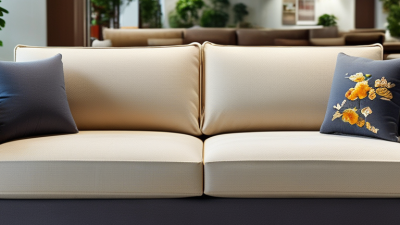
A Fluffy Couch can make a living room feel softer and more inviting, but appearance alone is a poor buying test. The market context is substantial: Grand View Research valued the global home furniture market at $537.9 billion in 2023 and projected continued growth through 2030. That figure describes a broad category, not proof that any particular sofa is comfortable or durable. Still, it shows why shoppers face so many styles, fabrics, and claims.
Interior designer Nate Berkus has said, “Your home should tell the story of who you are, and be a collection of what you love brought together under one roof.” That idea suits a couch you use every day. The right one should welcome a tired afternoon, hold its shape after regular use, and fit through the doorway. Small details matter: seat depth, cushion fill, fabric texture, and whether crumbs disappear into a deep pile.
Softness can mislead. A couch that feels cloudlike in a showroom may offer too little support at home. This guide compares the features that matter in 2026, including comfort, construction, cleaning needs, and value. It also considers who each style suits, from apartment dwellers to households with pets. No single sofa fits everyone. The best choice is the one that feels good beyond the first sit.

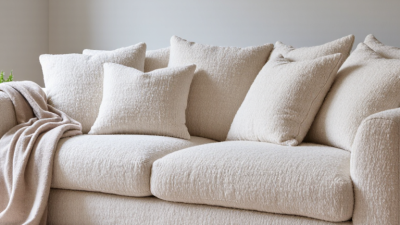
A fluffy couch is defined by a soft, inviting feel, not simply by a deep seat or oversized cushions. Its upholstery may have a brushed, nubby, or fleece-like texture, while the cushions compress gently under your hands. The best versions feel plush without swallowing you. That distinction matters.
Look at the cushion filling, fabric, and frame together. Down or fiber blends can create a loose, cloudlike surface, but they may need regular reshaping. Foam cores usually offer steadier support, even when wrapped in softer materials. Run your palm across the fabric; a pleasant texture should not feel scratchy or overly warm. Check the seams, too. Softness is only part of comfort.
Try sitting for several minutes, not just pressing a cushion in a showroom. Notice whether your hips stay supported and whether you can rise without pushing hard on the arms. A fluffy couch can look wonderful and still feel tiring after an hour. I might be too cautious here, but “sink-in” comfort is not the same for every body. Measure the room and doorway, and consider how the fabric may collect lint or show wear. A little maintenance is normal.
What Is the Best Fluffy Couch in 2026?
How Cushion Fillings and Upholstery Affect Comfort
A fluffy couch should feel welcoming without swallowing you whole. Cushion filling makes a big difference. Down or feather blends feel soft and mold around your body, but they usually need regular fluffing. Foam offers steadier support and holds its shape better, though dense foam can feel firm at first. A layered cushion can balance softness with support. Sit for several minutes, not just a quick showroom test. Notice whether your hips sink too low or your back feels unsupported.
Upholstery changes the experience, too. Soft chenille or brushed fabric can feel cozy against bare arms, while tightly woven textiles may feel cooler and more structured. Texture isn’t the same as durability. Check fabric details, seams, and cleaning instructions, especially if the couch will get daily use. One easy detail to miss: a plush surface may feel warm in a sunny room. Comfort is personal, and even careful testing can’t predict every preference.
Tips: Press the seat and watch how quickly it rebounds. Check whether cushion covers can be removed for cleaning. If you prefer a cloudlike seat, try it with your usual sitting posture. Then be honest: “soft” may not mean comfortable for hours.
| Cushion filling | Typical feel | Support and shape retention | Upkeep | Upholstery pairing | Comfort profile |
|---|---|---|---|---|---|
| Down or feather wrap over foam | Soft, enveloping, and easy to sink into. | The foam core provides a supportive base; the wrap adds softness but can flatten between uses. | Usually needs regular fluffing. Check care instructions for feather or down contents. | Works well with durable woven fabrics; a textured weave can enhance a relaxed look. | Best for: a plush, cloud-like sit with some underlying support. |
| Loose fiber or polyester fiberfill | Light, soft, and initially lofty. | Can compress with use and may need reshaping to maintain an even profile. | Frequent fluffing may be needed; removable covers simplify cleaning when care instructions permit. | Pairs with many upholstery types; consider a fabric with a durable construction for everyday use. | Best for: a soft, casual seat where regular cushion maintenance is acceptable. |
| High-resilience foam | Responsive and springy, with less sink than loose fill. | Generally returns to shape after pressure is removed; feel varies with foam firmness and construction. | Typically requires less fluffing than loose-fill cushions; rotate cushions if the design allows. | Suitable for woven upholstery, velvet, and other fabrics; durability depends on fabric specifications and use. | Best for: a neat, supportive seat that still feels cushioned. |
| Foam core with fiber or feather blend | A balance of a cushioned surface and a more stable seat. | The core helps maintain structure; the outer fill adds softness and may settle over time. | Usually benefits from occasional fluffing and cushion rotation. | A versatile option for textured weaves or smooth upholstery, depending on the desired look. | Best for: everyday lounging when you want both softness and support. |
| Velvet upholstery | Soft, smooth pile with a plush hand-feel. | Does not determine cushion firmness; comfort depends mainly on the cushion construction and seat design. | Pile can show shading or pressure marks. Follow the fabric label for cleaning and brush care. | Most effective when a soft-touch surface and a more polished appearance are priorities. | Best for: a luxurious tactile surface; check cleaning requirements before buying. |
| Woven polyester or performance-style fabric | Ranges from smooth to visibly textured; hand-feel depends on the weave and finish. | Upholstery affects surface feel, not the cushion’s internal support. Abrasion and stain performance vary by fabric specification. | Check cleaning codes and manufacturer guidance; “performance” does not mean every spill is removable. | A practical choice for frequently used rooms when the fabric’s tested properties match household needs. | Best for: shoppers prioritizing everyday practicality alongside a soft seat. |
Quick takeaway: For a fluffy yet supportive couch, look for a foam-supported cushion with a soft feather, down, or fiber wrap. The best choice depends on how much sink-in softness, shape retention, and maintenance you prefer. Upholstery changes the surface feel and care needs, while the cushion construction has the larger effect on seat support.
A fluffy couch should feel soft without swallowing the sitter. When evaluating one in 2026, check both the top layer and the support beneath it. Sit for several minutes, then stand and see whether the cushions recover their shape. Press along the seat edges, too. A couch that feels plush in the center may still have weak support near the arms. Comfort is personal, but persistent pressure under the thighs is a useful warning.
Look closely at fabric, seams, and cushion construction. Dense upholstery may resist everyday wear, while long, loose fibers can trap crumbs and pet hair. Ask whether covers can be removed and cleaned, and follow the care instructions before buying. Small details matter. Tug gently at a seam and inspect the underside for even stitching and secure supports. A thick silhouette can hide a shallow seat or a frame that flexes more than expected.
Measure the room, doorway, and stairwell, not just the wall space. Then compare seat depth and height with the people who will use it. Product photos rarely show how a couch feels after months of sitting, so showroom tests are imperfect. I would treat a quick sit as a clue, not proof. Even careful checks cannot predict every cushion’s long-term settling, and that uncertainty deserves attention.
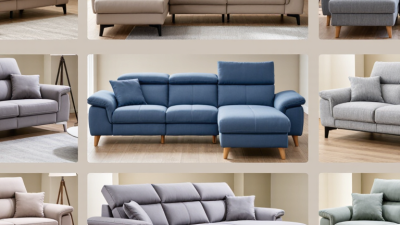
A fluffy couch can mean a rounded loveseat, a deep-seat sofa, or a modular sectional with loose cushions. Each suits a different room. Rounded, compact styles soften a reading nook without taking over the floor. Deep sofas invite lounging, but their generous seats can make upright conversation less comfortable. A sectional offers flexible seating for movie nights or shared living areas. It needs more clearance, though. Looks cozy.
Room size matters more than a couch’s “cloud-like” label. The U.S. Census Bureau’s 2023 Characteristics of New Housing report lists 2,286 square feet as the median floor area of new single-family homes sold. That figure describes whole homes, not living rooms, so it cannot determine your ideal sofa size. Measure your room and mark the couch’s footprint with tape. Leave a clear path around it, and check that the frame fits through doorways. In a smaller apartment, a compact sofa with raised legs can feel lighter; in a family room, a sectional may give everyone space. I’d still test the seat depth in person. A soft-looking couch can feel awkward once your feet barely reach the floor.
What Is the Best Fluffy Couch in 2026?
How to Choose and Care for a Fluffy Couch
The best fluffy couch is one that feels inviting but still supports your body. Look for cushions that recover their shape after you press them. Sit for several minutes, and check whether your feet rest comfortably on the floor. Deep seats can feel cozy, but may be awkward for shorter users. Check fabric samples in daylight; textured fabrics can look different under warm lamps. Looks matter. Comfort matters more.
Tips: Measure the room, doorway, and stair turns before ordering. Ask how cushion covers should be cleaned, and whether they can be removed. If possible, test the couch with the people who will use it most.
Care depends on the upholstery, so follow its cleaning label rather than relying on one universal method. Vacuum gently with an upholstery attachment, especially along seams where crumbs collect. Blot spills with a clean cloth; rubbing can push stains deeper or roughen the pile. Rotate and fluff loose cushions regularly to limit uneven wear. Keep the couch away from strong, direct sunlight when practical. A pale, shaggy fabric may need more attention than expected, and that trade-off is easy to underestimate before buying.