10 Best Fluffy Sofas for Comfort and Style
Choosing a sofa is not simply about finding the softest seat in the showroom. A Fluffy Sofa can make a living room feel warm and inviting, especially with deep cushions, rounded arms, and textured upholstery. But appearance only tells part of the story. Cushion support, seat depth, fabric care, and frame construction all affect how a sofa feels after months of everyday use.
This guide explores ten fluffy sofas with comfort and style in mind. It considers practical details shoppers can compare, including dimensions, cushion materials, upholstery, and cleaning needs. A cloud-like seat may feel wonderful for a short visit, but overly soft cushions can lose their shape or make standing difficult. Small details matter. Check whether the covers are removable, whether the fabric suits pets or busy households, and whether the sofa fits through your doorway. Measure twice. It is an unglamorous step, but it can prevent a frustrating delivery day.
There is no single best choice for every home. A compact apartment may need a slimmer profile, while a large family room can welcome a deeper, more generous design. Some fabrics look cozy but collect lint; some firm cushions feel less plush at first yet offer steadier support. That trade-off is easy to overlook. Use the options ahead to compare comfort, upkeep, and visual appeal, then match those features to your room and routines. Softness matters, but so does living with the sofa.

What Defines a Fluffy Sofa and Who Is It Best For?
A fluffy sofa is defined more by its feel and silhouette than by a formal furniture standard. It usually has deep seats, rounded cushions, and upholstery that looks soft or loosely tailored. The filling matters, too. Down or fiber blends can create a sink-in feel, while supportive foam often helps cushions keep their shape. Soft, not shapeless.
This style suits people who like lounging, curling up with a book, or sharing a roomy seat with family. Deep cushions can feel welcoming after a long day, but they may be awkward for shorter users who prefer to sit upright with their feet planted. Anyone with limited mobility should test the seat height and firmness in person, if possible. Getting up should not feel like a workout.
A fluffy sofa also needs realistic care. Loose cushions may require regular plumping, and textured fabrics can collect crumbs or pet hair in their folds. Check whether covers can be removed and cleaned, and look for a sturdy frame beneath the inviting upholstery. One easy mistake is choosing the softest-looking option without checking its support. A sofa can feel wonderfully plush at first, yet lose its shape with frequent use. The room’s size matters as well; oversized arms and deep seats can crowd a small living area.
How Sofa Materials and Construction Affect Comfort and Support
A fluffy sofa’s comfort depends on what sits beneath its soft surface. Fiber-filled cushions feel plush at first, while a supportive foam core can help them hold their shape. Some cushions combine foam with loose fill for a softer, more relaxed feel. Feel the difference. Materials vary, so check the cushion’s care instructions before buying.
Construction matters just as much. A sturdy frame and well-secured joints help the sofa stay stable through everyday use. Springs or supportive webbing beneath the seat can reduce that sinking feeling, though the result depends on how they are built and maintained. Sit down for several minutes, not just a quick showroom test. Notice whether your hips feel supported and whether you can stand up easily.
I used to assume deeper cushions always meant better lounging. Not always. A deep seat may suit stretching out, but shorter users might prefer a shallower seat or firm back cushions. Loose covers and fill can shift, so expect occasional fluffing and adjustment. That is a small trade-off, but it matters if you want a sofa that stays comfortable beyond its first impression.
How to Choose a Fluffy Sofa for Your Space and Lifestyle
A fluffy sofa should fit your room, routine, and preferred way of sitting—not just look inviting in a photograph. Measure the wall, walkway, and doorway before shopping. Small room? Measure twice. Deep seats suit curled-up lounging, while shallower seats can make upright conversation easier. Sit for several minutes if possible; a quick showroom test can be misleading. I would not treat it as a verdict, either: five minutes cannot mimic a whole evening.
Think about who will use the sofa and how often. Pets, children, and snacks call for durable, cleanable upholstery; removable covers can simplify care. Ask what the cushions contain and whether the covers can be washed. Soft fiber fills feel cloudlike, but often need regular fluffing. The 2024 U.S. Houzz & Home Study reported a $24,000 median renovation spend for 2023. That figure covers home renovations broadly, not sofas, but it underscores why checking dimensions and care needs before buying matters.
Tips: Sketch the sofa footprint with painter’s tape, then walk around it. Compare seat depth, arm height, and cushion firmness in person. Check delivery access, too; a sofa that fits the room may not fit the stairwell.
10 Best Fluffy Sofas for Comfort and Style
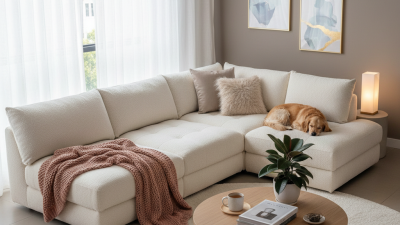
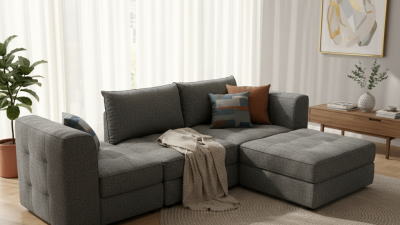
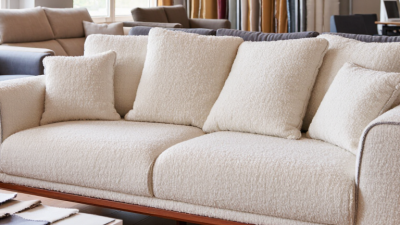
A fluffy sofa should feel inviting without swallowing the room. The best options balance a plush surface with cushions that still offer support. A cloud-style sectional gives a family room wide seats and loose back pillows. A rounded bouclé sofa softens sharp corners. A deep-seat modular design can shift when guests arrive. Soft, but supportive.
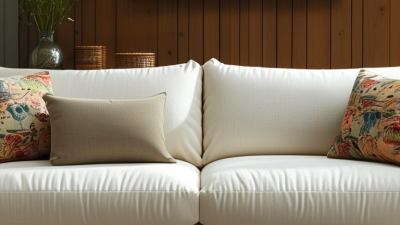
For smaller spaces, a sherpa loveseat or compact apartment sofa adds texture without taking over. A feather-blend sofa feels airy, though it may need frequent fluffing. A washable slipcovered sofa suits homes where snacks and muddy paws happen. Check the care instructions before buying.
A low-profile sofa keeps a room visually open, while a curved design creates a gentler conversation area. Performance fabric is worth considering when daily wear is a concern.
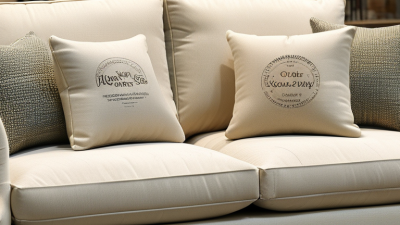
A generously padded traditional sofa brings familiar comfort beside a reading lamp and knitted throw. Check seat depth, cushion fill, and doorway measurements; photos rarely show how bulky a sofa feels in person. Sit on it for several minutes if you can. Cushion firmness is personal, and extra plush can become tiring when support is weak. I would not choose by softness alone. Easy to forget.
How to Care for a Fluffy Sofa and Preserve Its Shape
A fluffy sofa keeps its shape when you care for its fabric and cushions separately.
Check the care label before cleaning; “water-safe” and “solvent-only” fabrics need different methods. Use a vacuum’s upholstery tool on low suction, moving with the pile. A soft brush can lift flattened fibers around seams and arms. Small habits matter.
Fluff loose cushions by hand and rotate them regularly, if their shape and fabric allow it. Avoid repeatedly sitting on the same edge; concentrated pressure can leave a lasting dip. Blot spills with a clean, white cloth instead of rubbing, which can mat the pile. Test any cleaner on a hidden area first. Skip steam unless the care label permits it. Care will not reverse foam that has permanently lost its resilience.
The Association for Contract Textiles’ commercial upholstery guidelines cite 30,000 Wyzenbeek double rubs or 40,000 Martindale cycles for woven fabrics. These figures measure abrasion resistance, not how well a cushion holds its shape. That distinction matters: a durable cover can still look tired if its filling is neglected. Check cushion recovery every few weeks, and follow the maker’s instructions before removing or washing covers. Rotation is easy to forget.